Denver, CO · bakery
Bakery permits Denver
Opening a bakery in Denver requires navigating a complex web of permits and licenses. The city's promising market temperature and medium competition density make it an attractive location for bakery entrepreneurs. Before signing a lease or investing in equipment, founders must verify all necessary compliance requirements to avoid costly delays or shutdowns.
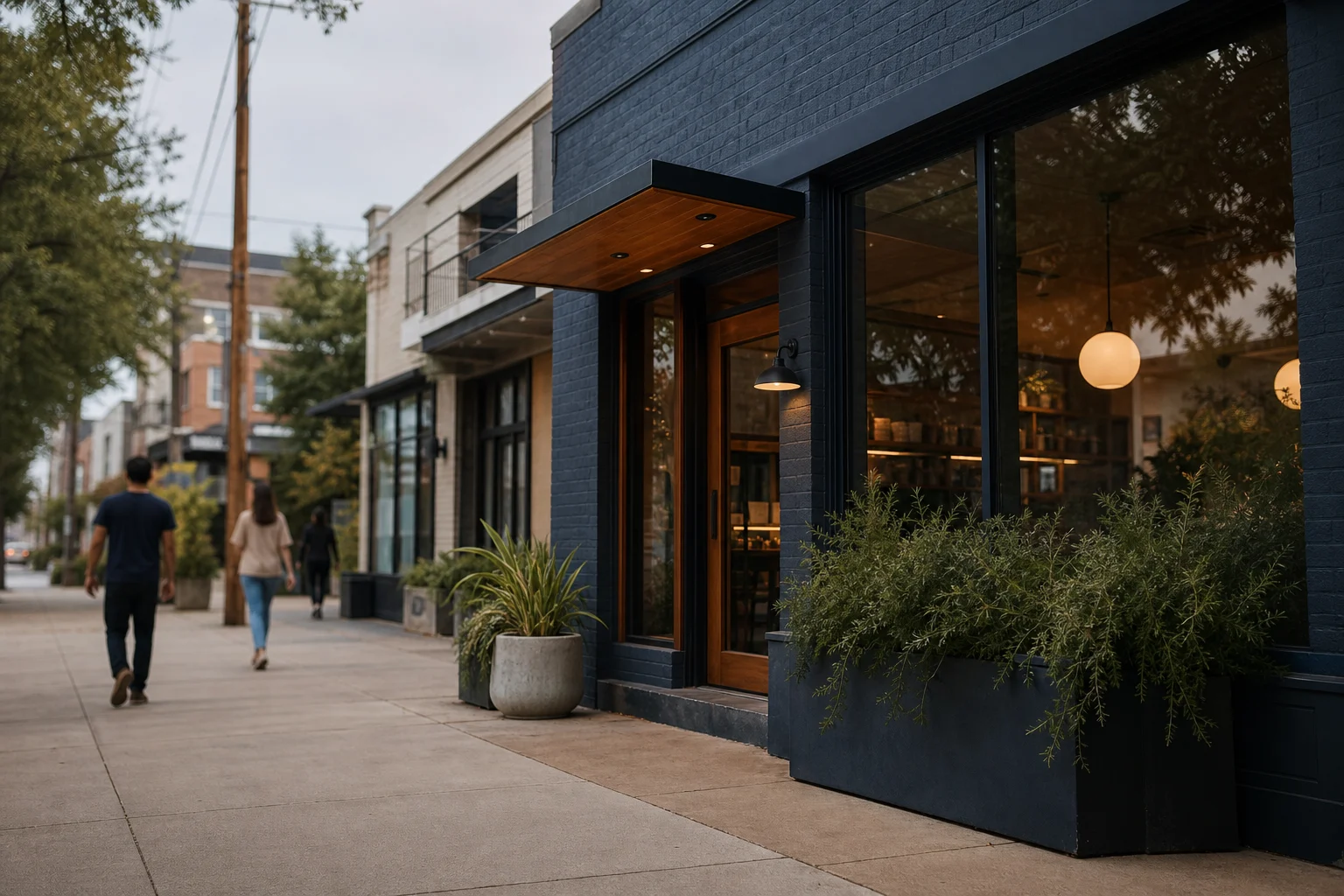
The permit stack to verify
Understanding the complete permit stack is essential for any bakery founder in Denver. The city's regulatory environment requires verification across multiple categories before opening day. Missing even one required permit can result in fines, forced closures, or damage to your business reputation.
City, state, landlord, health, fire, signage, and tax registrations
City permits form the foundation of your bakery compliance in Denver. These typically include basic business licensing and zoning verification to ensure your location is properly zoned for food service operations. Denver's specific requirements may vary by neighborhood, with areas like LoDo having additional considerations due to high pedestrian traffic and historic preservation guidelines.
State-level registrations cover broader business operations beyond city jurisdiction. These include basic business entity formation and industry-specific certifications that apply statewide. Colorado's Department of Revenue requires registration for sales tax collection, which is non-negotiable for any bakery selling products directly to consumers.
Landlord requirements often catch new business owners by surprise. Before signing any commercial lease, verify that the property allows food service operations and that any planned build-out meets landlord approval. Many commercial leases in Denver's top bakery neighborhoods include specific clauses about food preparation equipment installation and usage restrictions.
Health permits represent the most critical compliance category for any food service business. Denver's health department conducts regular inspections to ensure food safety standards are maintained. These inspections typically cover equipment sanitation, food storage procedures, employee hygiene practices, and pest control measures. The frequency of inspections varies based on your bakery's risk classification.
Fire safety compliance cannot be overlooked in any commercial kitchen operation. Denver's fire department requirements generally include proper fire suppression systems, emergency exit planning, and equipment maintenance records. Commercial kitchens often require specialized fire suppression systems that differ from standard restaurant installations, adding another layer of complexity to compliance.
Signage permits address the visible aspects of your bakery presence. Denver has specific regulations about sign size, placement, and illumination that vary by neighborhood. Areas like LoDo and RiNo may have additional historic preservation guidelines affecting signage design and materials. These regulations impact both your initial branding and any future rebranding efforts.
Tax registrations encompass multiple layers of compliance beyond basic sales tax. Denver businesses must register with various city and county tax authorities depending on their specific operations. Some neighborhoods may have additional local tax requirements that apply specifically to food service businesses or commercial properties in certain zones.
Documents to collect before lease signing
Before committing to a commercial lease in Denver, gather all relevant property documentation. This includes zoning verification confirming the property allows food service operations, building permits for any planned renovations, and previous inspection reports from previous tenants. Denver's top bakery neighborhoods like LoDo, RiNo, and Five Points each have specific zoning considerations that could impact your operations.
Property records should include information about previous health department ratings and any outstanding compliance issues. In areas like LoDo with its high-traffic location and multiple established bakeries like Trompeau and LoDough, understanding the regulatory history of your specific location can prevent unexpected compliance challenges. Rent levels in these areas run roughly $30-50/sqft NNN, making thorough due diligence even more critical.
Neighborhood-specific documentation varies across Denver's top bakery locations. LoDo offers the highest walkability and strongest daytime population but comes with additional historic preservation requirements. RiNo's industrial-chic aesthetic presents different signage and build-out considerations. Five Points blends historic character with modern transit access, creating its own unique compliance landscape.
What varies by bakery format
Different bakery formats require different permit approaches. Retail bakeries serving customers directly face more stringent health and safety requirements than wholesale operations that sell exclusively to other businesses. Denver's market temperature supports both models, but compliance pathways differ significantly.
Home-based bakeries operate under different regulations entirely. These operations typically have lower overhead but face specific limitations on production volume and direct sales. Denver's residential zoning laws impose additional restrictions on home food businesses that founders must understand before scaling operations.
Food truck or pop-up bakery models require mobile-specific permits beyond standard bakery licensing. Denver's regulations for mobile food vendors include additional requirements for vehicle equipment, parking locations, and operating hours. These models offer flexibility but come with their own complex compliance landscape.
FAQ
What permits do I need for A Bakery in Denver?
The complete permit stack for a Denver bakery typically includes city business licensing, state tax registration, health department permits, fire safety compliance, and signage approval. Additional requirements may apply based on your specific location, business format, and planned operations. Each of Denver's top bakery neighborhoods—LoDo, RiNo, and Five Points—may have additional local requirements that impact your compliance obligations.
How do neighborhood differences affect bakery permits?
Denver's top bakery neighborhoods each present unique compliance considerations. LoDo's high-traffic location and historic character come with additional signage and preservation requirements. RiNo's industrial-chic aesthetic affects build-out and operational guidelines. Five Points blends historic elements with modern transit considerations, creating its own regulatory landscape. Understanding these neighborhood-specific requirements is essential for smooth compliance.
What documentation should I review before signing a lease?
Before committing to a commercial lease in Denver, review zoning verification confirming food service operations are permitted, building permits for planned renovations, and previous inspection reports. Neighborhood-specific documentation may include historic preservation guidelines in LoDo, industrial-chic regulations in RiNo, or transit-related considerations in Five Points. Property records should also include information about previous health department ratings and any outstanding compliance issues.
How do different bakery formats impact permit requirements?
Retail bakeries serving customers directly face more stringent health and safety requirements than wholesale operations. Home-based bakeries operate under different residential zoning laws with specific limitations on production and sales. Mobile bakery models require additional permits for vehicle equipment, parking locations, and operating hours. Each format presents unique compliance challenges that founders must address based on their specific business model.
What resources are available for Denver bakery permit assistance?
Denver offers various resources to help bakery founders navigate the permit landscape. The city's business licensing division provides general guidance, while industry associations may offer format-specific assistance. Professional consultants with experience in Denver's food service industry can provide personalized compliance support tailored to your specific bakery concept and location.
Last reviewed: 2026-05-08
Sources: U.S. Census Bureau ACS, LEHD LODES, Google Places, OpenStreetMap, Locavisor neighborhood scoring.
Methodology: Locavisor scores neighborhoods across demand, competition fit, rent fit, accessibility, and customer match. Scores reflect a snapshot of recent data and should be combined with on-the-ground research before lease decisions.
Disclaimer: This article provides informational content only and does not constitute legal, financial, accounting, or real-estate advice. Verify lease terms, licensing, local regulations, costs, and professional requirements with qualified local professionals before making business decisions.
Free preview shows top 3 neighborhoods. Full $9.99 report covers all 10 areas with personalized scoring + 90-day check-ins.
Informational only. Verify lease, licensing, local regulations, costs, and professional requirements with qualified local professionals.