Fort Worth, TX · bakery
Bakery permits Fort Worth
For small business founders looking to open a bakery in Fort Worth, navigating the permits and licensing requirements can be a complex process. Understanding the specific regulations and documentation needed is crucial for a smooth launch. 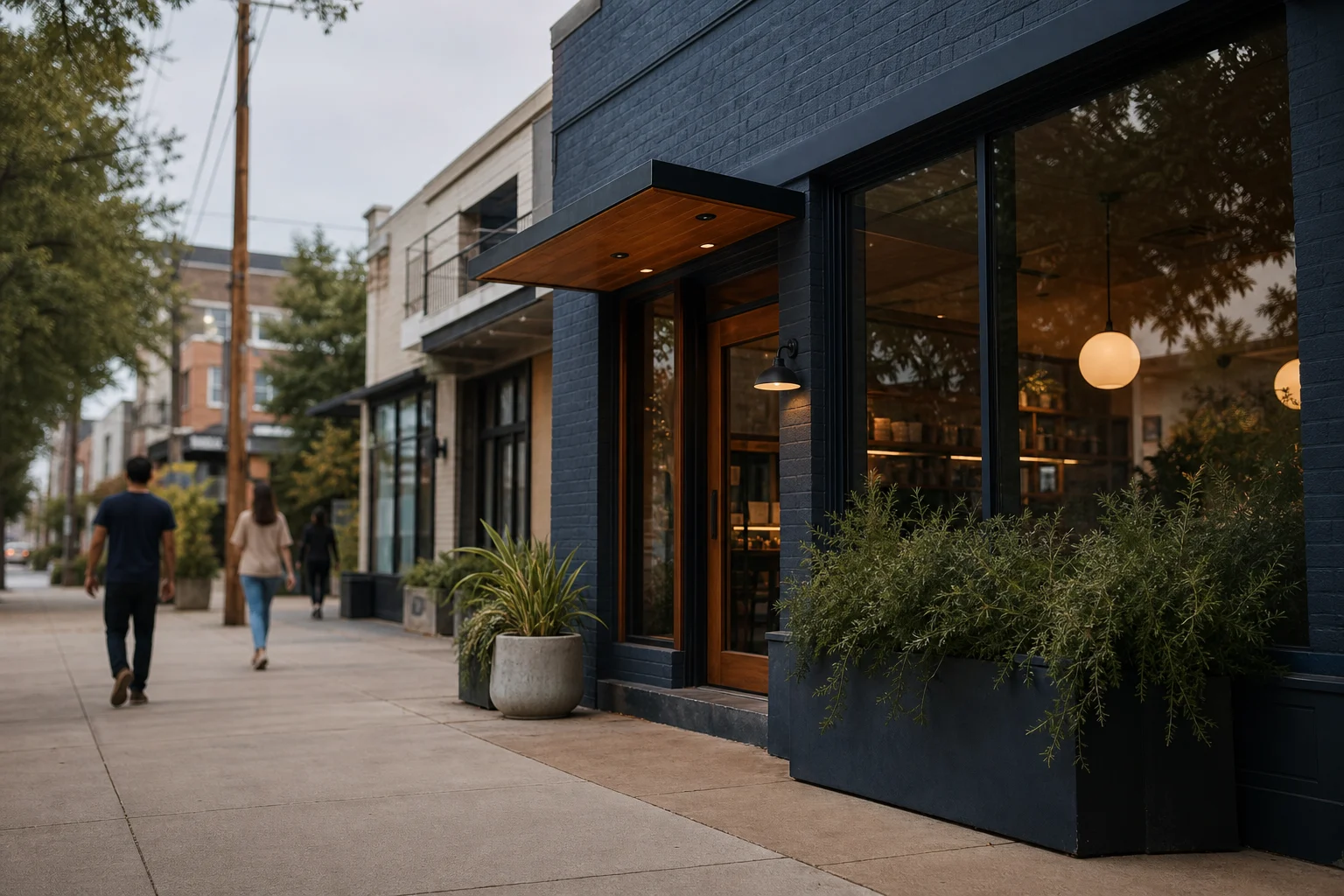
The permit stack to verify
Opening a bakery in Fort Worth requires verifying multiple categories of permits and licenses. These requirements vary based on your bakery format, location, and specific business operations. Founders should systematically check each category to ensure compliance before opening day.
City, state, landlord, health, fire, signage, and tax registrations
Fort Worth bakery founders must verify city-level business registration requirements. This typically includes basic business operating licenses specific to food establishments. State-level requirements involve general business registration and may include food handling certifications.
Landlord approvals are often overlooked but essential. Most commercial leases require additional consent for food service operations beyond standard retail use. Health department verification is critical for any bakery handling food products. This includes facility design standards, equipment specifications, and operational protocols.
Fire department verification ensures your bakery meets safety standards for public spaces. This may involve emergency exits, fire suppression systems, and occupancy limits. Signage regulations control the size, placement, and illumination of business signs. Tax registrations include state sales tax permits and local business tax certificates.
Documents to collect before lease signing
Before signing a commercial lease for your Fort Worth bakery, collect all necessary documentation. Verify zoning regulations allow food service operations at your desired location. Obtain proof of previous business licenses at the address if applicable.
Review the property's health inspection history if available. Check for any existing restrictions on food preparation equipment or modifications. Confirm the building's occupancy classification matches your intended bakery operations. Obtain written confirmation from the landlord regarding permitted business hours and customer access.
What varies by bakery format
Different bakery formats have varying permit requirements. A retail bakery selling pre-packaged goods may have fewer regulatory hurdles than a full-service bakery with seating and food preparation on-site. Home-based bakeries transitioning to commercial spaces face additional health and zoning considerations.
Fort Worth's top three areas offer distinct opportunities for bakery businesses:
Stockyards (6.6/10) — Stockyards is Fort Worth's iconic tourist corridor anchored by the Stockyards Station and Mule Alley. Strong walkability and evening/late-night energy from the Billy Bob's / rodeo crowd. Only one direct bakery competitor nearby (Esperanza's Restaurant & Bakery, 4.3★, 3,251 reviews) — but it's a Mexican-restaurant hybrid, not a dedicated bakery. Expect roughly $30-50/sqft NNN.
Sundance Square (6.6/10) — Sundance Square is Fort Worth's walkable downtown core — Bass Performance Hall, Sundance Square plaza, and a dense office-worker lunch population. ≈10,500 weekday workers within the core. Only one direct bakery competitor (Corner Bakery Cafe, 4.0★, 716 reviews) — a national chain with moderate ratings. Expect roughly $30-50/sqft NNN.
Clearfork (5.9/10) — Clearfork is Fort Worth's premium lifestyle-center district — The Shops at Clearfork, upscale apartments, and a strong office/co-working presence. Expect roughly $45-70/sqft NNN — the highest rent band in this set. Two bakery competitors already on-site: JOY Macarons (4.7★, 352 reviews) and Our Daily Bread Artisan Bread (4.3★, 4 reviews, Saturdays only).
Mobile bakeries face unique permitting challenges. These include vehicle equipment certifications and potentially different health standards. Bakeries offering alcohol service require additional verification beyond standard food service permits.
FAQ
What permits do I need for A Bakery in Fort Worth?
Fort Worth bakery founders need to verify city business registration, state business licensing, and potentially food handling certifications. Health department verification is essential for food preparation areas. Fire department approval ensures safety compliance. Signage regulations control business signage. Tax registrations include sales tax permits and local business taxes.
How long does the permit process take?
Processing times vary based on bakery type and location complexity. Some registrations may be completed quickly while others require inspections and multiple approvals.
Can I operate a bakery from home in Fort Worth?
Home bakery operations may have different requirements than commercial spaces. Fort Worth's regulations for home-based food businesses vary and may have specific limitations.
What are the most common violations for Fort Worth bakeries?
Common violations often relate to food storage temperatures, equipment maintenance, and sanitation practices. Regular self-inspections can help identify potential issues before official inspections.
Do I need separate permits for outdoor seating?
Outdoor seating areas typically require additional verification. This may involve zoning approvals, health department inspections, and potentially sidewalk use permits.
How often do bakery permits need renewal?
Most business licenses require annual renewal. Some health and fire certifications may have different renewal periods. Always check specific expiration dates to maintain compliance.
What records should I keep for compliance purposes?
Maintain organized records of all permits, inspections, and training certifications. Document any corrective actions taken during inspections. Keep records of equipment maintenance and staff training for at least the required retention period.
How do I verify if a location is zoned for bakery operations?
Check Fort Worth's zoning maps and regulations. Commercial zones typically allow food service operations, but specific restrictions may apply. Consult with city planning officials for definitive zoning determinations.
What happens if I open without proper permits?
Operating without required permits can result in fines, closure orders, and potential legal action. Proper verification before opening prevents costly compliance issues later.
How can I expedite the permit approval process?
Complete all application materials accurately and thoroughly. Schedule pre-opening inspections to address potential issues early. Maintain open communication with regulatory agencies throughout the process.
Last reviewed: 2026-05-08
Sources: U.S. Census Bureau ACS, LEHD LODES, Google Places, OpenStreetMap, Locavisor neighborhood scoring.
Methodology: Locavisor scores neighborhoods across demand, competition fit, rent fit, accessibility, and customer match. Scores reflect a snapshot of recent data and should be combined with on-the-ground research before lease decisions.
Disclaimer: This article provides informational content only and does not constitute legal, financial, accounting, or real-estate advice. Verify lease terms, licensing, local regulations, costs, and professional requirements with qualified local professionals before making business decisions.
Free preview shows top 3 neighborhoods. Full $9.99 report covers all 10 areas with personalized scoring + 90-day check-ins.
Informational only. Verify lease, licensing, local regulations, costs, and professional requirements with qualified local professionals.