Los Angeles, CA · bakery
Bakery permits Los Angeles
Opening a bakery in Los Angeles requires navigating a complex web of permits and licenses. The city's regulatory landscape can be challenging for new bakery owners, but understanding the requirements upfront helps streamline your launch process. This guide breaks down the essential permits and registrations needed to operate a bakery in LA's top neighborhoods.
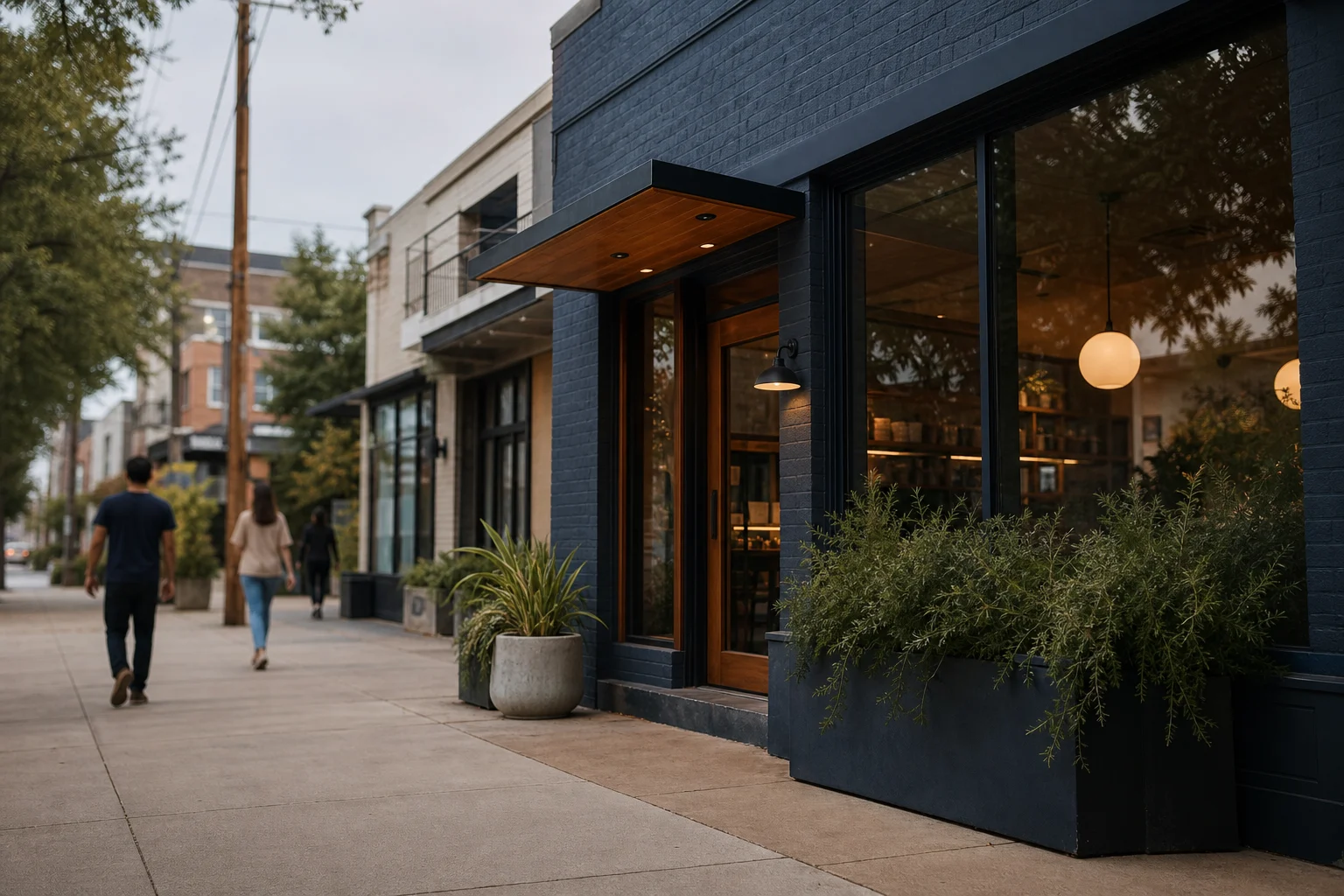
The permit stack to verify
Before serving your first customer in Los Angeles, you'll need to secure multiple permits across different jurisdictions. The permit stack for a bakery typically includes city business licenses, state tax registrations, health department approvals, fire safety certifications, and potentially signage permits. Each category serves a specific purpose in ensuring your bakery operates legally and safely. Locavisor neighborhood scoring identifies Downtown LA (DTLA) as the best fit for bakery operations with an overall score of 7.6/10, though competition density is medium with established players like Paris Baguette (4.2★, 281 reviews), 85°C Bakery Cafe (4.3★, 573 reviews), and Corner Bakery Cafe (4.2★, 414 reviews) within a few blocks.
City, state, landlord, health, fire, signage, and tax registrations
Your bakery's compliance journey begins with city-level registrations. Los Angeles requires all businesses to obtain a basic business license before operating. This foundational document registers your business with the city and is typically required regardless of your business structure. The city may also have specific zoning requirements that affect where you can locate your bakery, particularly if you plan to operate in residential areas or near schools.
State-level registrations focus on tax compliance and industry-specific regulations. California requires businesses to register with the State Board of Equalization for sales tax collection. If you plan to hire employees, you'll need to register with the Employment Development Department for payroll taxes. The state also has specific regulations for food establishments that may apply to your bakery operations.
Landlord requirements often include proof of insurance and sometimes additional permits beyond what the city requires. Many commercial leases include clauses requiring tenants to maintain certain types of insurance coverage and comply with building-specific regulations. Before signing a lease, verify what additional documentation your landlord may require beyond standard city and state permits.
Health department approvals are critical for any food establishment. Los Angeles County's health department conducts inspections to ensure food safety standards are met. These inspections typically cover facility cleanliness, food storage practices, employee hygiene, and equipment maintenance. The health department may also require specific types of equipment or facilities depending on your bakery's operations.
Fire safety certifications ensure your bakery meets Los Angeles' fire safety codes. These requirements may include fire extinguisher placement, emergency exit accessibility, and sometimes specialized equipment for commercial kitchens. The fire department will inspect your premises before granting certification, particularly if you plan to operate cooking equipment that poses fire hazards.
Signage permits regulate the size, placement, and illumination of business signs. Los Angeles has specific ordinances governing commercial signage to maintain neighborhood aesthetics and safety. Your bakery's signage may require approval from the city's planning department, especially if it includes illuminated elements or is located in a historic district.
Tax registrations include both federal and state requirements. Beyond California's sales tax registration, you may need to obtain a federal Employer Identification Number (EIN) from the IRS. If you plan to hire employees, you'll also need to understand payroll tax requirements and reporting obligations.
Documents to collect before lease signing
Before committing to a commercial space, gather documentation that will streamline your permitting process later. The landlord should provide proof of zoning compliance for the property, confirming that food establishments are permitted in the location. Request copies of existing certificates of occupancy and any previous health or fire department inspections for the space.
Research the specific neighborhood's characteristics before signing. Locavisor data shows Downtown LA (DTLA) has office density maxed out with roughly 10,500 weekday workers within 800m, creating strong daytime demand. Burbank's media-studio workforce from Disney and Warner Bros drives strong office-daytime demand, with the downtown Burbank station and Burbank Town Center anchoring a walkable commercial core. Culver City's downtown corridor combines strong office density from Sony Pictures with a walkable retail strip and Expo Line access.
Verify the property's compliance history with local agencies. Request documentation of any previous violations or outstanding issues that might affect your ability to obtain permits. Check if the building has any special designations that might affect your operations, such as historic status or special zoning overlays.
What varies by bakery format
The specific permits required for your bakery may vary depending on your business format. Retail bakeries that sell directly to consumers typically need different permits than wholesale bakeries that sell to restaurants or grocery stores. Home-based bakeries operating under California's cottage food laws have different requirements than commercial establishments.
Your bakery's product mix also affects permitting requirements. If you plan to serve customers on-site, you'll need additional permits for seating areas and potentially alcohol service if you plan to serve beverages. Bakeries that plan to produce high-risk foods like custards or meat-filled pastries may face additional health department requirements.
The scale of your operations influences the complexity of your permitting process. Small bakeries with limited staff and equipment may have simpler requirements than larger operations with multiple ovens, walk-in coolers, and extensive staff. Consider how your business model might evolve and whether your initial permits will accommodate future growth.
FAQ
What permits do I need for A Bakery in Los Angeles?
You'll need a comprehensive stack of permits to operate a bakery in Los Angeles. This includes a city business license, state tax registrations, health department approvals, fire safety certifications, and potentially signage permits. The specific requirements depend on your bakery's format, location, and operations. Before signing a lease, verify zoning compliance and gather documentation of existing certificates of occupancy. Locavisor neighborhood scoring identifies Downtown LA (DTLA) as the best fit with a 7.6/10 score, though competition density is medium with established players like Paris Baguette, 85°C Bakery Cafe, and Corner Bakery Cafe nearby. Burbank (7.5/10) offers strong daytime demand from media studios with only one dedicated bakery competitor, while Culver City (7.4/10) combines office density from Sony Pictures with a walkable retail corridor and Expo Line access.
Last reviewed: 2026-05-08
Sources: U.S. Census Bureau ACS, LEHD LODES, Google Places, OpenStreetMap, Locavisor neighborhood scoring.
Methodology: Locavisor scores neighborhoods across demand, competition fit, rent fit, accessibility, and customer match. Scores reflect a snapshot of recent data and should be combined with on-the-ground research before lease decisions.
Disclaimer: This article provides informational content only and does not constitute legal, financial, accounting, or real-estate advice. Verify lease terms, licensing, local regulations, costs, and professional requirements with qualified local professionals before making business decisions.
Free preview shows top 3 neighborhoods. Full $9.99 report covers all 10 areas with personalized scoring + 90-day check-ins.
Informational only. Verify lease, licensing, local regulations, costs, and professional requirements with qualified local professionals.