Miami, FL · bakery
Bakery permits Miami
Opening a bakery in Miami requires navigating a web of permits and licenses to ensure compliance with local, state, and federal regulations. For small-business founders, understanding these requirements upfront can prevent costly delays and legal issues. This guide breaks down the essential permits, timelines, and common pitfalls for bakeries in Miami, with insights into neighborhood-specific factors that may impact your process.
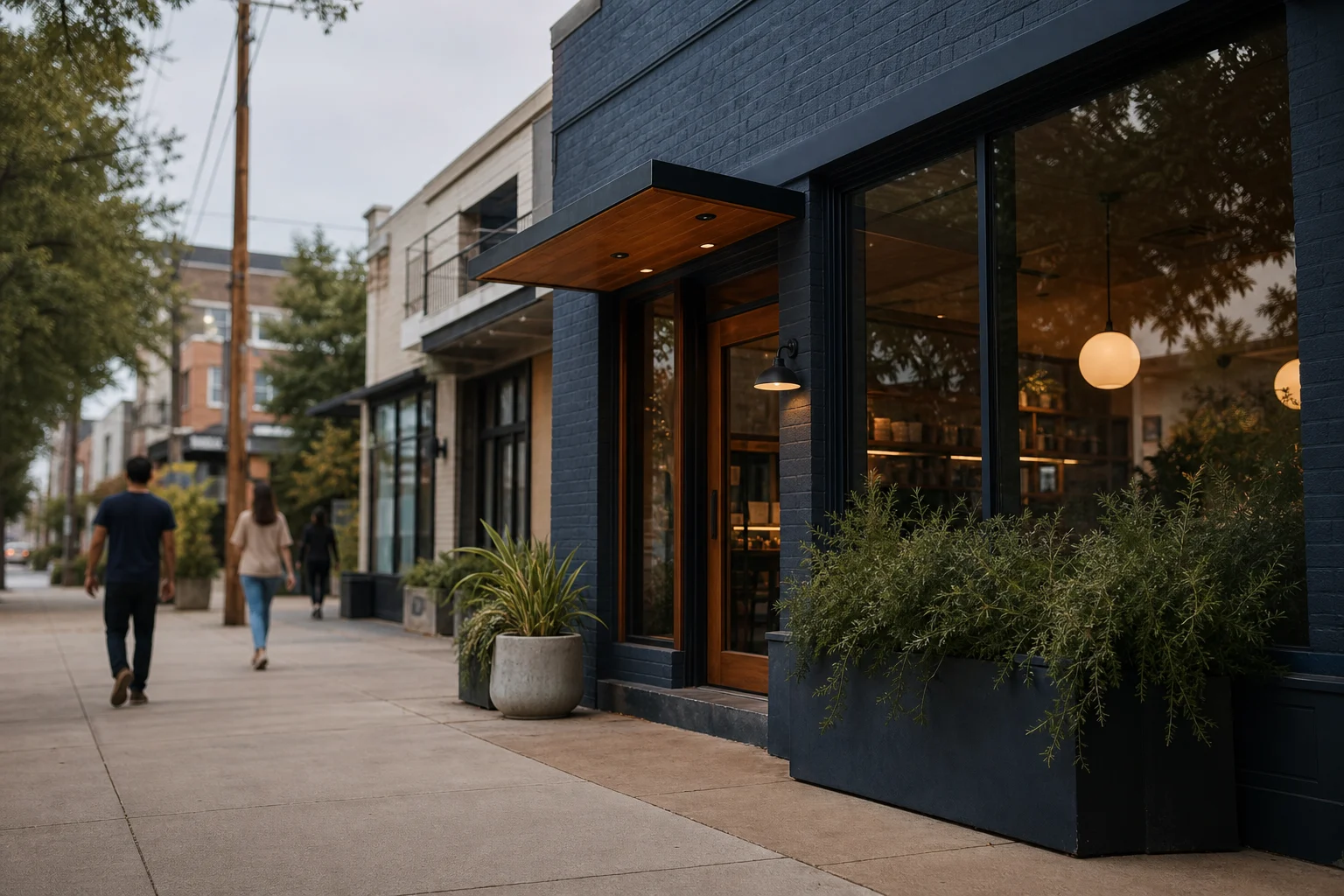
Why permits matter before you sign a lease
Securing the right permits before signing a lease is non-negotiable. Miami's zoning and health codes are strict, and operating without proper authorization can lead to fines, closure, or even legal action. For example, neighborhoods like MiMo / Upper Eastside (score 6.4/10, rent band $42-$180/sqft/yr NNN) have specific commercial zoning rules that may restrict bakery operations in certain areas. Signing a lease without verifying these requirements could leave you stuck in a space that can't legally host your business. Additionally, landlords often require proof of permits before finalizing leases, as non-compliance risks their property's approval status.
Required permits and licenses for a bakery in Miami
The core permits for a Miami bakery fall into several categories: city, state, health, fire, signage, tax, and insurance. Here's a breakdown:
- City Permits: Miami-Dade County and local municipalities (e.g., Miami, Hialeah, Doral) issue business tax receipts and zoning permits. These confirm your location is zoned for commercial food service.
- State Licenses: Florida requires a food service license from the Department of Business and Professional Regulation (DBPR) for bakeries handling prepared foods.
- Health Department Permits: The Florida Department of Health inspects bakeries for food safety, sanitation, and employee health. This includes verifying equipment, storage, and handling practices.
- Fire Department Permits: If your bakery has commercial ovens or large-scale equipment, the Miami-Dade Fire Rescue may require inspections to ensure compliance with fire codes.
- Signage Permits: Outdoor signs (e.g., storefront, awnings) often need city approval to adhere to size and placement rules.
- Tax Registrations: Florida's Department of Revenue requires sales tax registration for retail bakeries.
- Insurance: General liability and product liability insurance are standard, though not a permit, they're often required by landlords or lenders.
What permits do I need to open a bakery in Miami? The answer depends on your specific setup, but the above categories cover the essentials. Always verify with the issuing agencies, as requirements can vary by neighborhood or business model.
Realistic timeline from application to opening
Permit timelines in Miami range from weeks to months, depending on complexity. City permits (e.g., business tax receipts) may take a variable local timeline, while health department inspections can take a variable local timeline if no issues arise. Fire permits add another a variable local timeline for equipment checks. Factor in time for corrections-if an inspection flags a violation, you'll need to address it before approval. For example, a bakery in Kendall / Pinecrest (score 5.8/10, rent band $42-$180/sqft/yr NNN) might face longer waits if the area has high demand for food service permits.
Common reasons applications get rejected in Miami
Rejections often stem from avoidable mistakes:
- Incomplete Paperwork: Missing signatures, outdated forms, or insufficient details (e.g., floor plans) are top culprits.
- Zoning Violations: Operating in a residential zone or exceeding permitted noise levels.
- Health Code Non-Compliance: Failing to meet sanitation standards (e.g., improper storage, lack of handwashing stations).
- Fire Code Issues: Unapproved equipment or blocked exits.
For instance, a bakery in Hialeah (score 5.5/10, rent band $42-$180/sqft/yr NNN) might face rejections if it doesn't align with the city's commercial food service zoning.
How to budget for permits and inspections
Permit costs vary, but budgeting for inspections is critical. Miami's rent bands ($42-$180/sqft/yr NNN) reflect commercial real estate costs, which indirectly impact permit-related expenses (e.g., higher rents may mean pricier compliance upgrades). Plan for:
- Application fees (city, state, health).
- Inspection fees (health, fire).
- Corrections (e.g., equipment upgrades, signage changes).
- Professional help (e.g., a consultant to navigate paperwork).
Neighborhoods like Doral (score 5.2/10, rent band $42-$180/sqft/yr NNN) may have lower permit friction due to established commercial zones, but always confirm with local agencies.
Quick reference - which neighborhoods minimize permit friction
Miami's top neighborhoods for bakeries, based on Locavisor scoring, offer varying levels of permit ease. The table below compares key factors to help you decide:
| Neighborhood | Score | Rent Band (NNN) | Key Anchors |
|---|
Higher scores (e.g., MiMo) often correlate with more streamlined commercial processes, but always verify with local agencies.
| Neighborhood | Locavisor score | Rent band | Local operator signal | Founder validation check |
|---|---|---|---|---|
| MiMo / Upper Eastside | 6.4/10 | $42-$180/sqft/yr NNN | Caracas Bakery Biscayne, We We’s Bakery & Bistro | Confirm zoning, landlord approvals, inspections, and license timing. |
| Kendall / Pinecrest | 5.8/10 | $42-$180/sqft/yr NNN | Panera Bread, Atelier Monnier Pinecrest, French Bakery, Cafe & Fine Wine Boutique | Confirm zoning, landlord approvals, inspections, and license timing. |
| Hialeah | 5.5/10 | $42-$180/sqft/yr NNN | Bella Bakery, Casablanca Bakery | Confirm zoning, landlord approvals, inspections, and license timing. |
| Doral | 5.2/10 | $42-$180/sqft/yr NNN | Pinecrest Bakery - Doral, Suspiros Boutique Bakery | Confirm zoning, landlord approvals, inspections, and license timing. |
| Little Haiti | 5.1/10 | $42-$180/sqft/yr NNN | Piman Bouk Bakery, New Florida Bakery | Confirm zoning, landlord approvals, inspections, and license timing. |
FAQ
Q: Do I need a separate permit for a home-based bakery in Miami?
A: Yes. Home-based bakeries require city permits (e.g., home occupation license) and health department approval. Miami's zoning rules may restrict home-based food service, so check with your municipality first.
Q: How do I handle health inspections for a bakery in Hialeah?
A: Contact the Florida Department of Health in Miami-Dade County. Inspections focus on sanitation, equipment, and employee hygiene. Bakeries like Bella Bakery (Hialeah) and Casablanca Bakery (Hialeah) comply with these standards-use their setups as a reference.
Q: Can I open a bakery in Little Haiti without a fire permit?
A: No. Even small bakeries with commercial ovens need fire department approval. Little Haiti (score 5.1/10, rent band $42-$180/sqft/yr NNN) has specific fire code requirements for food service businesses.
This guide provides a framework, but always confirm details with Miami's local agencies and legal advisors. Permits are the foundation of a successful bakery-start here, and you'll be on the right track.
Last reviewed: 2026-05-30
Sources: U.S. Census Bureau ACS, LEHD LODES, Google Places, OpenStreetMap, Locavisor neighborhood scoring.
Methodology: Locavisor scores neighborhoods across demand, competition fit, rent fit, accessibility, and customer match. Scores reflect a snapshot of recent data and should be combined with on-the-ground research before lease decisions.
Disclaimer: This article provides informational content only and does not constitute legal, financial, accounting, or real-estate advice. Verify lease terms, licensing, local regulations, costs, and professional requirements with qualified local professionals before making business decisions.
Free preview shows top 3 neighborhoods. Full $9.99 report covers all 10 areas with personalized scoring + 90-day check-ins.
Informational only. Verify lease, licensing, local regulations, costs, and professional requirements with qualified local professionals.