Minneapolis, MN · bakery
Bakery permits Minneapolis
For small business founders looking to open a bakery in Minneapolis, understanding the permit requirements is crucial for a smooth launch. The city's mixed market temperature and medium competition density make it an interesting location for bakery entrepreneurs, though navigating the regulatory landscape requires careful attention to detail. 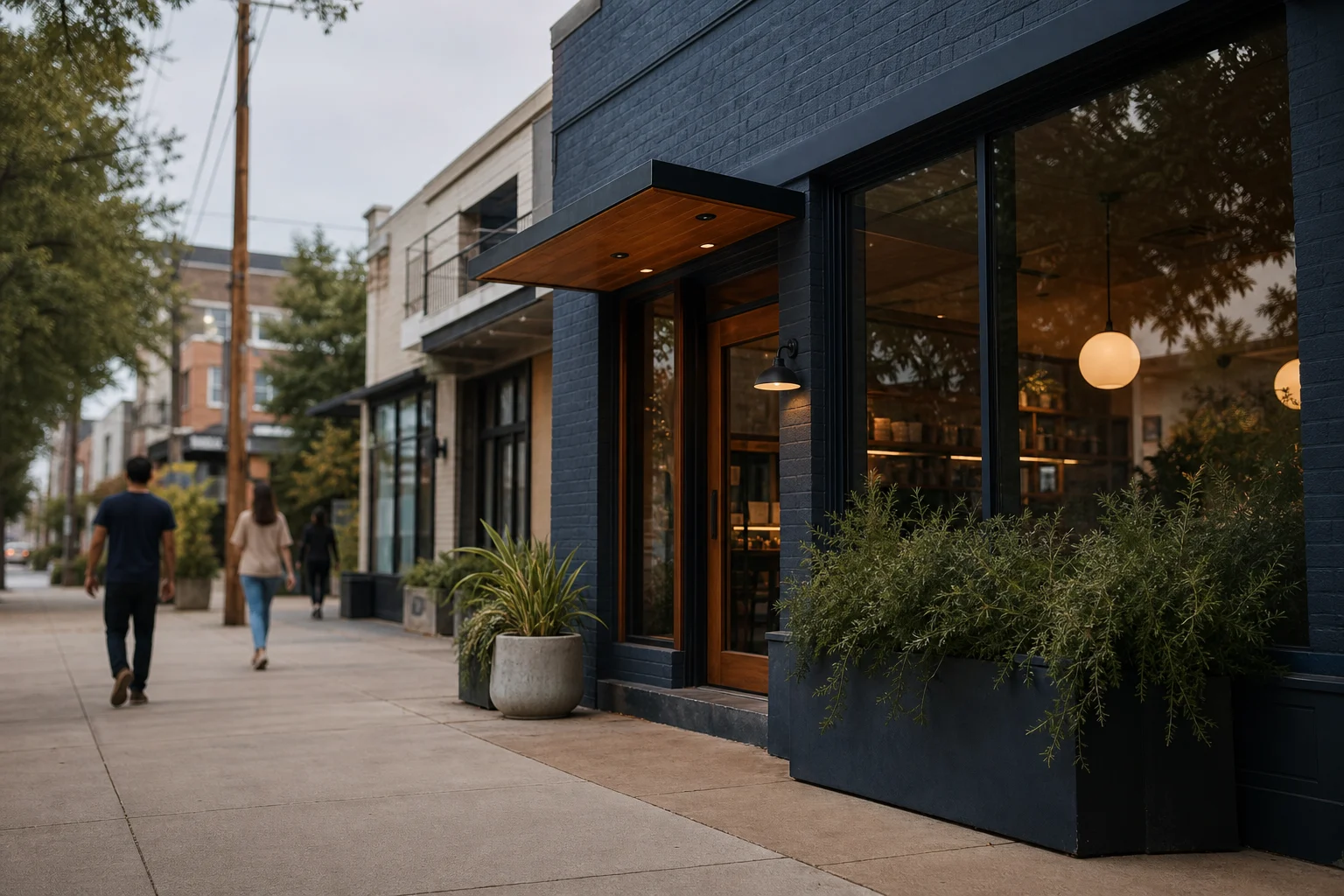
The permit stack to verify
When opening a bakery in Minneapolis, founders must verify several categories of permits and licenses. These requirements vary based on your specific bakery format, location, and operational scale. The city's regulatory framework for food establishments includes multiple layers of compliance that must be addressed before opening day.
City, state, landlord, health, fire, signage, and tax registrations
Minneapolis bakery operators must secure city-level business registration before commencing operations. This typically involves basic documentation about your business structure and location. State requirements include general business registration and may include specific food handling certifications depending on your operational scale.
Landlord approvals are often overlooked but essential, particularly for modifications to your commercial space. Health permits are non-negotiable for any food establishment, ensuring your facility meets sanitation standards. Fire safety compliance is another critical component, with requirements that may vary based on your bakery's size and equipment.
Signage regulations in Minneapolis govern both the size and placement of business signs, which can impact your visibility and branding strategy. Tax registration includes both state sales tax collection authorization and potentially local business taxes depending on your specific location.
Documents to collect before lease signing
Before signing a commercial lease for your Minneapolis bakery, gather all necessary documentation to streamline your permitting process. This includes proof of business registration, zoning verification for your intended use, and any historical building documentation if renovating an existing space.
Health department requirements often include detailed floor plans and equipment specifications. Fire safety documentation may include equipment specifications and emergency planning information. Tax documentation should include your business registration numbers and any applicable exemption certificates.
What varies by bakery format
The specific permit requirements for your Minneapolis bakery will vary based on your operational format. A small retail bakery with minimal seating will have different requirements than a full-service café with extensive food preparation areas. Production bakeries focusing wholesale distribution face additional regulatory considerations.
Location-specific factors also play a significant role. The North Loop area, with its premium rent levels of $65-95/sqft NNN, may have different signage regulations than more affordable areas like Lowry Hill, where rent runs roughly $20-35/sqft NNN. Downtown Minneapolis presents unique challenges with its high daytime population density and established competition like Keys Cafe & Bakery (4.5★/2,000 reviews) located just 210m from the centroid.
When evaluating neighborhoods for your bakery, consider the Locavisor neighborhood scoring which shows North Loop (6.9/10) as Minneapolis's trendiest former-warehouse district, with city-leading office density and strong morning/lunch daypart scores. Lowry Hill (6.9/10) sits along Hennepin + Franklin near the Walker Art Center and Minneapolis Sculpture Garden, offering the most affordable rent of the top-ranked areas. Downtown (6.2/10) around Nicollet Mall and the skyway system has the highest daytime population density but also the most coffee-and-pastry competition.
FAQ
What permits do I need for A Bakery in Minneapolis?
The exact permits required for a bakery in Minneapolis depend on your specific business model and location. Generally, you'll need city business registration, state business licensing, health department approval, fire safety compliance, and proper signage authorization. Tax registration for sales tax collection is also mandatory. The specific requirements may vary based on factors like your bakery's size, equipment, and whether you offer seating areas for customers.
How do Minneapolis bakery requirements compare to other cities?
Minneapolis maintains a medium competition density in the bakery sector with a mixed market temperature. The city's regulatory framework is comparable to other major urban centers but with specific local nuances. Areas like North Loop (6.9/10) and Lowry Hill (6.9/10) offer different advantages for bakery entrepreneurs, with varying rent levels and customer demographics that may influence your permitting strategy.
What should I consider when choosing a location for my Minneapolis bakery?
Location selection significantly impacts your permitting requirements and operational costs. North Loop offers a trendy warehouse district setting with city-leading office density and strong morning/lunch daypart scores, though at premium rent levels. Lowry Hill provides more affordable rent near cultural attractions like the Walker Art Center and Minneapolis Sculpture Garden. Downtown Minneapolis has the highest daytime population density but faces stiff competition from established players like Keys Cafe & Bakery.
How does the market temperature affect bakery permit requirements?
Minneapolis's mixed market temperature suggests a balanced environment for new bakery businesses. While competition density is medium, the market offers opportunities for well-positioned bakery concepts. The 78% score confidence in Locavisor neighborhood scoring indicates reliable data for making informed decisions about where to establish your bakery business.
What documentation should I prepare for health inspections?
Health inspections for Minneapolis bakeries focus on food safety, sanitation, and proper handling procedures. While specific requirements may vary, you should generally prepare documentation detailing your food preparation processes, storage methods, cleaning schedules, and employee hygiene protocols. The exact documentation needed will depend on your bakery's scale and specific operations.
Last reviewed: 2026-05-08
Sources: U.S. Census Bureau ACS, LEHD LODES, Google Places, OpenStreetMap, Locavisor neighborhood scoring.
Methodology: Locavisor scores neighborhoods across demand, competition fit, rent fit, accessibility, and customer match. Scores reflect a snapshot of recent data and should be combined with on-the-ground research before lease decisions.
Disclaimer: This article provides informational content only and does not constitute legal, financial, accounting, or real-estate advice. Verify lease terms, licensing, local regulations, costs, and professional requirements with qualified local professionals before making business decisions.
Free preview shows top 3 neighborhoods. Full $9.99 report covers all 10 areas with personalized scoring + 90-day check-ins.
Informational only. Verify lease, licensing, local regulations, costs, and professional requirements with qualified local professionals.