New York, NY · bakery
Bakery permits New York
Opening a bakery in New York requires navigating a complex web of permits and licenses. Before you can serve your first croissant or bake your first loaf of bread, you'll need to verify compliance with city, state, and federal regulations. This guide breaks down the essential permits and requirements for bakery owners in NYC, helping you avoid costly delays and ensure your business opens smoothly.
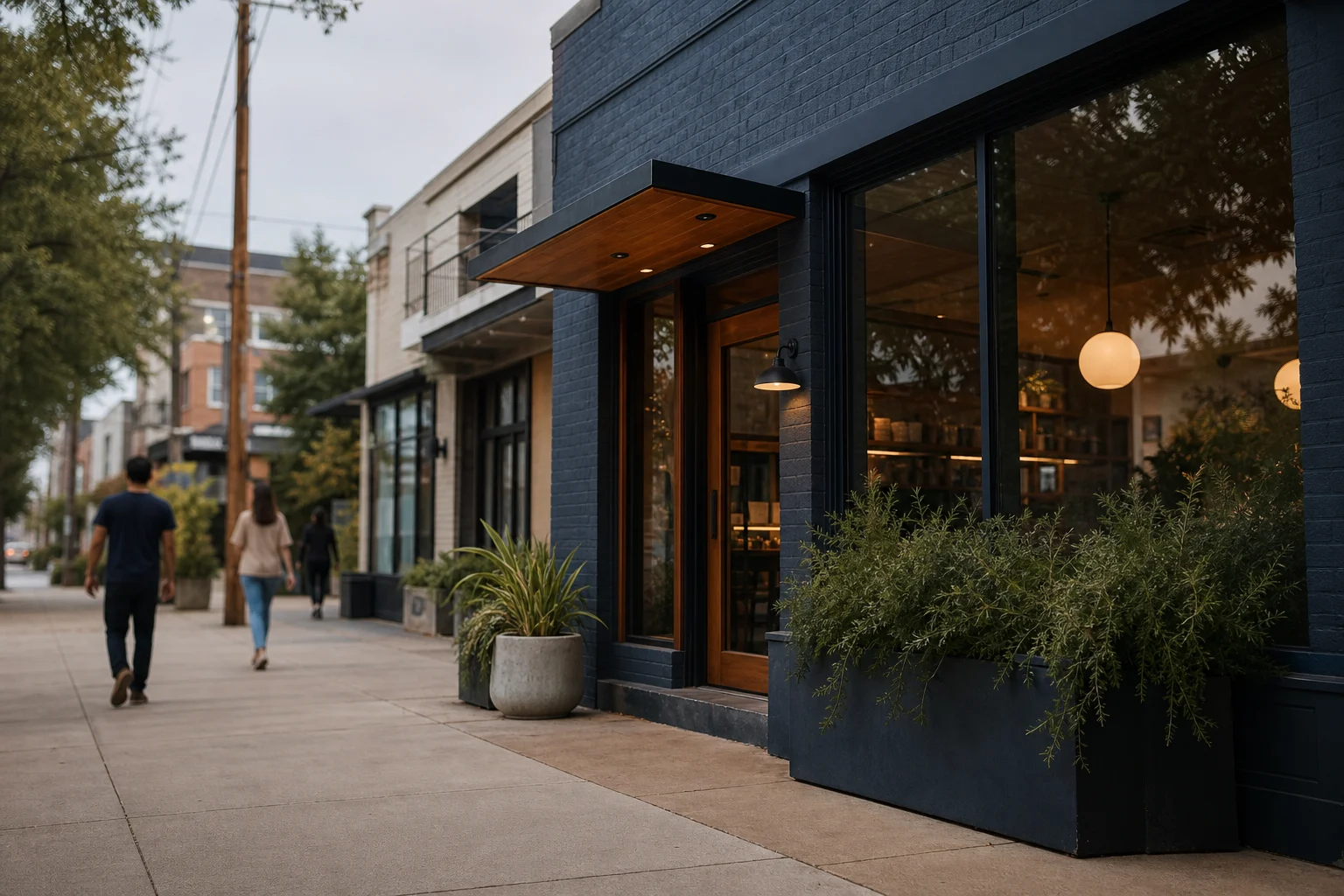
The permit stack to verify
Starting a bakery in New York means verifying multiple layers of compliance. The city's regulatory environment requires attention to detail across several categories. Before investing in equipment or signing a lease, understand the full scope of requirements for your bakery concept.
Best area: Murray Hill (6.2/10) Positioning: Best fit: Murray Hill — overall score 6.2/10. Market temperature: mixed Competition density: medium Rent level: high Score confidence: 85% Data vintage: 2026-05 snapshot
Top 3 areas for bakery startups in New York:
Murray Hill (6.2/10) — Murray Hill delivers the highest office-worker density in NYC with maxed-out morning and lunch dayparts — ideal for a breakfast-and-lunch bakery. But rent is trophy-tier ($90-140/sqft NNN), and the competition is real: Magnolia Bakery (4.1★, 1,571 reviews) and Angelina Bakery (4.4★, 185 reviews) are within 570m. Your edge needs to be speed and early-morning capture, not product breadth.
Astoria (6.1/10) — Astoria is the strongest value play in this set — rent is neighborhood-corridor level ($30-50/sqft NNN) with a perfect rentFit score. The residential density is maxed out, evening daypart is strong, and the bakery scene is active but not saturated. Paris Baguette (4.4★, 386 reviews) and New York Bakery Café (4.7★, 1,328 reviews) are nearby, but the corridor supports multiple concepts.
Midtown (6.1/10) — Midtown is the office spine of NYC — maxed-out office density, morning and lunch dayparts at ceiling, and transit access that funnels commuters from every borough.
City, state, landlord, health, fire, signage, and tax registrations
New York City requires bakery owners to register with multiple city agencies. These registrations form the foundation of your legal operation. The city's business registration process establishes your legal entity and enables you to conduct business within the five boroughs.
State-level requirements complement city regulations. New York State mandates specific registrations for food establishments. These state-level requirements ensure your bakery meets broader public health and safety standards.
Your landlord may impose additional requirements beyond city and state regulations. Commercial leases often include clauses about business operations, signage, and maintenance. Understanding these requirements before signing can prevent future conflicts.
Health regulations govern food preparation, storage, and service. New York's health requirements focus on preventing foodborne illness and ensuring safe handling practices. Compliance with health regulations is non-negotiable for any food establishment.
Fire safety requirements protect your customers, employees, and property. New York's fire codes address everything from emergency exits to equipment placement. Meeting these requirements ensures your bakery can operate safely.
Signage regulations control the appearance and placement of business signs. New York has specific rules about sign size, illumination, and placement. These rules affect how customers find and identify your bakery.
Tax registrations include multiple components at both city and state levels. These registrations ensure you can collect and remit sales tax, payroll taxes, and other required taxes. Proper tax compliance avoids penalties and legal issues.
Documents to collect before lease signing
Before committing to a commercial space, gather all necessary documentation. This due diligence process saves time and prevents surprises during the permitting process.
Verify the property's zoning classification. Not all properties allow bakery operations. Confirming zoning compliance before signing prevents costly relocations or renovations.
Review the building's certificate of occupancy. This document confirms the property is legally suitable for its intended use. A bakery may require specific occupancy classifications that not all buildings possess.
Check for existing health department permits. Some commercial spaces already have permits for food service. Transferring these permits can streamline your opening process.
Assess the building's infrastructure capacity. Bakery equipment requires specific electrical, plumbing, and ventilation systems. Ensuring the building can support your needs prevents expensive retrofits.
Review the lease for compliance-related clauses. Some leases restrict business hours, equipment types, or customer traffic. Understanding these restrictions helps avoid operational conflicts.
What varies by bakery format
Different bakery formats have different regulatory requirements. Understanding these variations helps you prepare for your specific concept.
Retail bakeries that sell directly to consumers face different requirements than wholesale bakeries. Retail operations need customer-facing permits and may have different signage requirements.
Home-based bakeries have specific regulations that differ from commercial operations. New York allows home food processing under certain conditions, with specific limitations on sales locations and volume.
Food trucks and mobile bakeries require additional permits beyond stationary operations. Mobile operations need special handling permits and route approvals.
Online bakeries must comply with delivery-specific regulations. These include food safety during transport and proper labeling requirements for shipped products.
FAQ
What permits do I need for A Bakery in New York?
The specific permits required for a bakery in New York depend on your business format, location, and operations. Generally, you'll need to register with city and state authorities, comply with health and safety regulations, and obtain necessary tax registrations. The requirements vary based on whether you operate a retail bakery, wholesale operation, home-based business, or mobile bakery. Before opening, verify all applicable requirements with the appropriate regulatory agencies.
Last reviewed: 2026-05-08
Sources: U.S. Census Bureau ACS, LEHD LODES, Google Places, OpenStreetMap, Locavisor neighborhood scoring.
Methodology: Locavisor scores neighborhoods across demand, competition fit, rent fit, accessibility, and customer match. Scores reflect a snapshot of recent data and should be combined with on-the-ground research before lease decisions.
Disclaimer: This article provides informational content only and does not constitute legal, financial, accounting, or real-estate advice. Verify lease terms, licensing, local regulations, costs, and professional requirements with qualified local professionals before making business decisions.
Free preview shows top 3 neighborhoods. Full $9.99 report covers all 10 areas with personalized scoring + 90-day check-ins.
Informational only. Verify lease, licensing, local regulations, costs, and professional requirements with qualified local professionals.