San Antonio, TX · bakery
Bakery permits San Antonio
Opening a bakery in San Antonio requires navigating a specific set of permits and licenses to operate legally. For small-business founders, understanding these requirements upfront can prevent costly delays and ensure compliance from day one. This guide breaks down the essential permits, timelines, and common pitfalls for bakeries in San Antonio, with insights into neighborhood-specific factors that impact the process.
Why permits matter before you sign a lease
Permits are not just bureaucratic hurdles-they protect your business, customers, and community. Skipping or delaying permit applications can lead to fines, forced closures, or even legal action. For bakeries, which handle food, health and safety permits are non-negotiable. Landlords often require proof of permits before signing a lease, as they need assurance you can operate without disrupting the property or violating local codes.
San Antonio's permitting process is managed by multiple agencies, including the City of San Antonio, Bexar County, and the Texas Department of State Health Services. Each has distinct requirements, and missing one can derail your timeline. Founders who prioritize permits early avoid last-minute scrambles and position themselves to open on schedule.
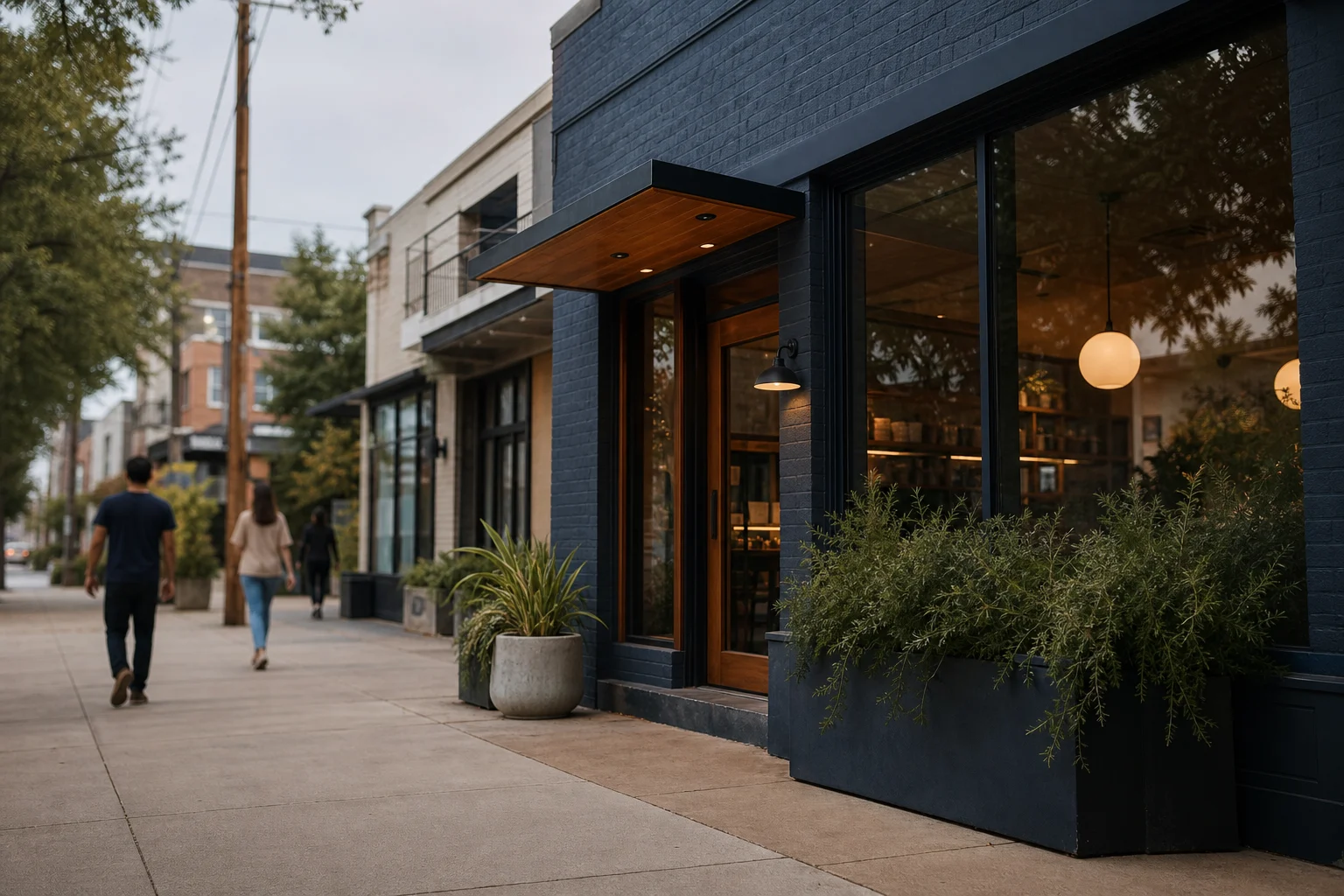
Required permits and licenses for a bakery in San Antonio
The core permits for a bakery in San Antonio fall into six categories: city, health, fire, signage, tax, and insurance. Below is a breakdown of what each entails, with a focus on what founders need to know.
City permits
The City of San Antonio issues a business operating license and may require a zoning permit to confirm your location is approved for food service. Zoning rules vary by neighborhood-for example, Quarry Market (score 7.0/10, rent band $22-$48/sqft/yr NNN) is a mixed-use area with mall and office anchors, making it a prime spot for bakeries. However, some residential zones restrict commercial food operations, so verify zoning before leasing.
Health permits
The Texas Department of State Health Services (DSHS) oversees food safety. Bakeries need a food establishment permit and must pass inspections for kitchen hygiene, equipment, and employee training. DSHS also requires compliance with the Texas Food Establishment Rules (TFER), which cover everything from handwashing stations to food storage.
Fire permits
The San Antonio Fire Department (SAFD) inspects bakeries for fire safety, including sprinkler systems, exit routes, and flammable material storage. If your bakery uses ovens or fryers, you may need additional fire suppression systems.
Signage permits
Outdoor signs (e.g., storefront, awnings) require a city permit to ensure they meet size and visibility rules. Downtown San Antonio (score 6.4/10, rent band $40/sqft/yr NNN) has stricter signage regulations due to its historic districts, so check local guidelines.
Tax permits
You'll need a sales tax permit from the Texas Comptroller to collect and remit sales tax. Bakeries selling food for immediate consumption (e.g., pastries, coffee) may also need a restaurant tax permit from Bexar County.
Insurance
While not a permit, liability insurance is mandatory. Policies should cover general liability, product liability, and workers' compensation. Landlords often require proof of insurance before leasing.
Realistic timeline from application to opening
Permit timelines vary, but a realistic estimate is a variable local timeline from application to approval. Here's a typical flow:
- Pre-application (a variable local timeline): Gather documents (lease, floor plans, health department checklists).
- Application submission (1 week): File with city, health, and fire departments.
- Inspections (a variable local timeline): Health and fire inspections may occur simultaneously.
- Approval (1 week): Receive permits and start setup.
Delays often stem from incomplete applications or failed inspections. For example, a missing floor plan or outdated equipment can push back approval by weeks.
Common reasons applications get rejected in San Antonio
Rejections are avoidable with preparation. The top three reasons:
- Incomplete paperwork: Missing signatures, outdated floor plans, or unsubmitted fees.
- Failed inspections: Health violations (e.g., improper food storage) or fire code breaches (e.g., blocked exits).
- Zoning issues: Operating in a zone not approved for food service.
Downtown San Antonio, with its high foot traffic (anchors like Shops at Rivercenter and UTSA Downtown Campus), is popular but has stricter zoning. Founders in Stone Oak (score 6.4/10, rent band $22-$48/sqft/yr NNN) may face fewer zoning hurdles due to its mixed-use, family-friendly anchors like Stone Oak Elementary School.
How to budget for permits and inspections
Permit costs vary, but founders should budget for application fees, inspection fees, and potential corrections. While exact fees aren't listed here (always verify with agencies), the rent bands in the grounding data offer context: Quarry Market ($22-$48/sqft/yr NNN) and West Side ($22-$48/sqft/yr NNN) have lower rent than Downtown ($40/sqft/yr NNN), which may impact overall startup costs.
Factor in time for corrections-if an inspection fails, you'll need to fix issues (e.g., install a hand sink) and reschedule, adding a variable local timeline.
Quick reference - which neighborhoods minimize permit friction
Neighborhoods with established food scenes and clear zoning tend to have smoother permitting. Below is a comparison of the top 5 bakery neighborhoods in San Antonio, based on Locavisor scoring and rent bands:
| Neighborhood | Score | Rent Band (NNN) | Key Anchors |
|---|
Quarry Market, with a high score and mixed-use anchors, is a top choice. West Side, while slightly lower in score, has established businesses like Panera Bread, indicating a supportive local ecosystem. Downtown, though pricier, offers high visibility-La Panadería Bakery Café (4.7 stars, 6559 reviews) and CommonWealth Coffeehouse & Bakery Hemisfair (4.6 stars, 1281 reviews) thrive here.
| Neighborhood | Locavisor score | Rent band | Local operator signal | Founder validation check |
|---|---|---|---|---|
| Quarry Market | 7.0/10 | $22-$48/sqft/yr NNN | Corner Bakery Cafe, Whole Foods Bakery | Confirm zoning, landlord approvals, inspections, and license timing. |
| West Side / Westside | 6.9/10 | $22-$48/sqft/yr NNN | Panera Bread | Confirm zoning, landlord approvals, inspections, and license timing. |
| Downtown San Antonio | 6.4/10 | $40/sqft/yr NNN | La Panadería Bakery Café, CommonWealth Coffeehouse & Bakery Hemisfair | Confirm zoning, landlord approvals, inspections, and license timing. |
| Stone Oak | 6.4/10 | $22-$48/sqft/yr NNN | Makies Bakery Stone Oak | Confirm zoning, landlord approvals, inspections, and license timing. |
| UTSA Main Campus area | 6.3/10 | $22-$48/sqft/yr NNN | No direct operator listed | Confirm zoning, landlord approvals, inspections, and license timing. |
FAQ
Q: What permits do I need to open a bakery in San Antonio?
A: You'll need a city business operating license, health food establishment permit (from DSHS), fire permit (from SAFD), signage permit (if applicable), sales tax permit (from Texas Comptroller), and liability insurance.
Q: How long does it take to get permits in San Antonio?
A: Typically a variable local timeline, but delays from incomplete applications or failed inspections can extend this to a variable local timeline.
Q: Do I need a separate permit for a home bakery?
A: Yes-home-based bakeries still require a health permit and may need a city home occupation permit. Check San Antonio's zoning rules, as some areas restrict home-based food businesses.
Q: Can I open a bakery near a school, like Stone Oak Elementary?
A: Yes, but verify zoning. Stone Oak (score 6.4/10) has schools as anchors, but ensure your business complies with distance or operational rules for food near schools.
This guide provides a framework, but always confirm details with San Antonio's permitting agencies. With proper planning, your bakery can open on time and in compliance.
Last reviewed: 2026-05-30
Sources: U.S. Census Bureau ACS, LEHD LODES, Google Places, OpenStreetMap, Locavisor neighborhood scoring.
Methodology: Locavisor scores neighborhoods across demand, competition fit, rent fit, accessibility, and customer match. Scores reflect a snapshot of recent data and should be combined with on-the-ground research before lease decisions.
Disclaimer: This article provides informational content only and does not constitute legal, financial, accounting, or real-estate advice. Verify lease terms, licensing, local regulations, costs, and professional requirements with qualified local professionals before making business decisions.
Free preview shows top 3 neighborhoods. Full $9.99 report covers all 10 areas with personalized scoring + 90-day check-ins.
Informational only. Verify lease, licensing, local regulations, costs, and professional requirements with qualified local professionals.