San Diego, CA · bakery
Bakery permits San Diego
Opening a bakery in San Diego requires navigating a complex web of permits and licenses. The city's promising market temperature and medium competition density make it an attractive location for bakery entrepreneurs. Before you can serve your first customer, you'll need to verify all necessary compliance requirements across multiple jurisdictions. 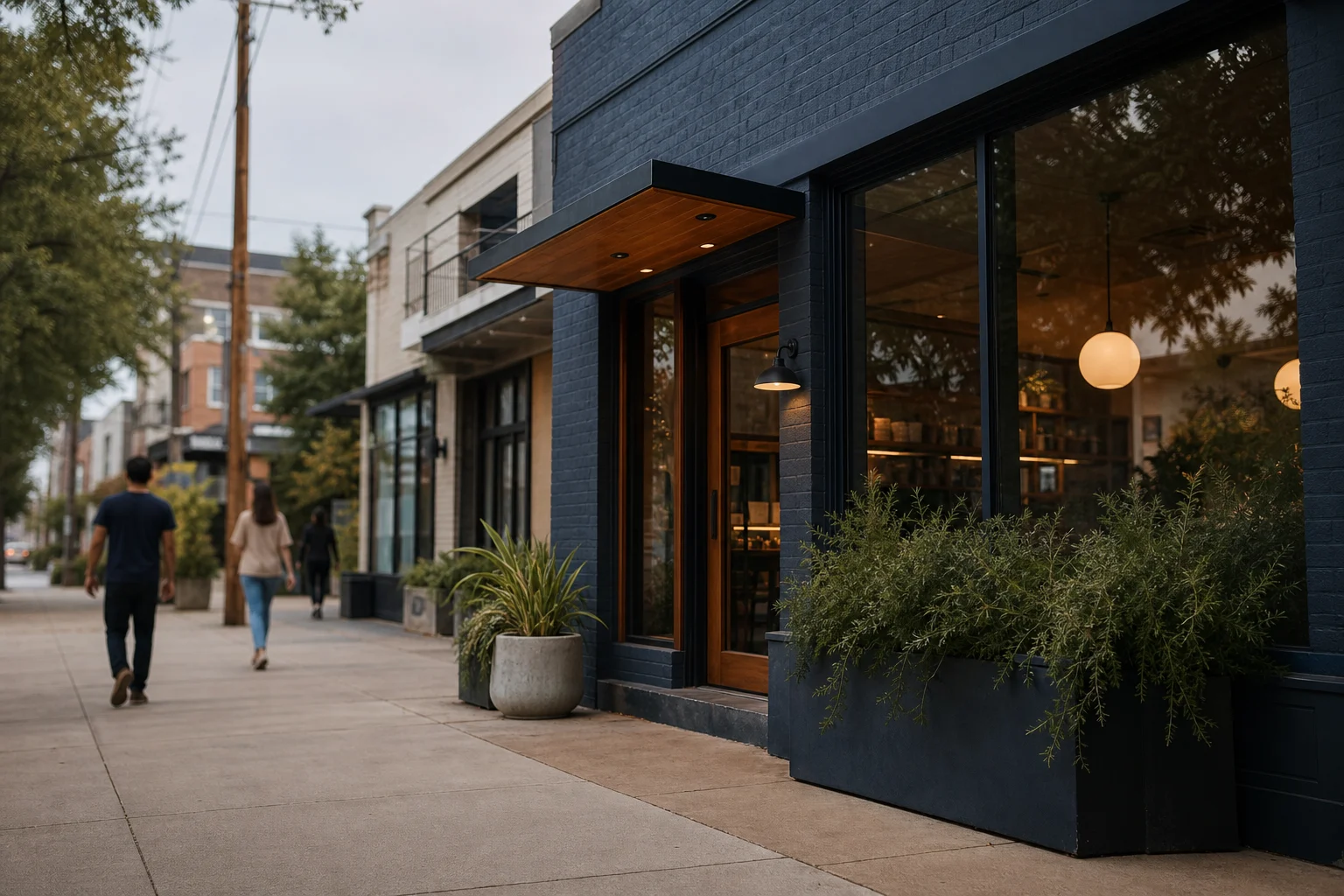
The permit stack to verify
Understanding bakery permits San Diego requires examining the complete compliance landscape. Your bakery will need approvals from city, state, and local authorities, plus landlord requirements and health/fire/building inspections. Each jurisdiction has its own requirements that must be satisfied before opening day.
San Diego offers three top neighborhoods for bakery businesses according to Locavisor neighborhood scoring. University City / UTC ranks highest at 7.3/10, featuring UCSD, Westfield UTC, and dense tech offices that create a massive breakfast/lunch commuter wave. Walkability is city-leading and transit access is strong. The trade-off: expect roughly $45-70/sqft NNN on a strong urban corridor, and you'll face 85°C Bakery Cafe (4.3★, 489 reviews) and Corner Bakery Cafe (4.0★, 1,097 reviews) within 300m.
Convoy Asian Cultural District scores 6.7/10 and offers the best rent fit in the set at roughly $30-50/sqft NNN, with strong walkability and a proven food-culture corridor. Tous les Jours (3.9★, 89 reviews) is the only chain bakery within 800m, and it's underperforming.
Little Italy also scores 6.7/10 and is San Diego's most walkable F&B corridor with maxed-out daytime population density, a Saturday farmers market, and the County Center/Little Italy trolley station. Rent is moderate at roughly $30-50/sqft NNN.
City, state, landlord, health, fire, signage, and tax registrations
Your bakery will require multiple registrations across different levels of government. City-level compliance typically includes basic business registration and zoning verification. State requirements often involve sales tax registration and employer identification if you plan to hire staff.
Landlord requirements may include additional permits beyond standard city regulations, particularly for commercial kitchen equipment installation. Health department compliance covers food handling, storage, and preparation standards. Fire safety regulations address equipment placement, emergency exits, and fire suppression systems.
Signage permits regulate the size, placement, and illumination of your business signage. Tax registrations include state sales tax collection authorization and potentially local business tax certificates. Each of these categories requires separate verification before your bakery can legally operate.
Documents to collect before lease signing
Before signing any commercial lease, collect all necessary documentation to verify compliance requirements. This includes zoning verification confirming your bakery use is permitted in the specific location. Building department documentation should verify that the space meets occupancy requirements for food service operations.
Health department pre-inspection reports can identify potential issues before you commit to a space. Fire marshal documentation confirms that the space meets fire safety requirements for your planned operations. Utility verification ensures adequate power, water, and gas connections for commercial bakery equipment.
Tax clearance documentation confirms there are no outstanding tax liabilities associated with the property. Landlord approval documents verify that your planned business activities are permitted under the lease terms. Collecting these documents before signing can prevent costly surprises and delays later in the process.
What varies by bakery format
Different bakery formats require different compliance approaches. A retail bakery selling pre-packaged goods has different requirements than a full-service bakery with seating and food preparation areas. Home-based bakeries face different zoning and health requirements than commercial storefront operations.
Mobile bakeries require additional permits for vehicle operation and mobile food service. Wholesale bakeries distributing to other businesses may need different packaging and labeling compliance. Online bakeries must navigate sales tax collection for different jurisdictions.
Your bakery's specific menu offerings will also impact compliance requirements. Bakeries serving perishable goods require different health standards than those selling non-perishable items. Bakeries offering alcoholic beverages require additional licensing beyond standard bakery permits.
FAQ
What permits do I need for A Bakery in San Diego?
Your San Diego bakery will require multiple permits across different jurisdictions. City-level permits typically include business registration and zoning verification. State requirements often include sales tax registration. Health department compliance covers food handling and preparation standards. Fire safety regulations address equipment placement and emergency exits. Signage permits regulate your business signage. Tax registrations include sales tax authorization. Each bakery format has specific requirements, so verify all applicable permits based on your specific operations before opening.
Last reviewed: 2026-05-08
Sources: U.S. Census Bureau ACS, LEHD LODES, Google Places, OpenStreetMap, Locavisor neighborhood scoring.
Methodology: Locavisor scores neighborhoods across demand, competition fit, rent fit, accessibility, and customer match. Scores reflect a snapshot of recent data and should be combined with on-the-ground research before lease decisions.
Disclaimer: This article provides informational content only and does not constitute legal, financial, accounting, or real-estate advice. Verify lease terms, licensing, local regulations, costs, and professional requirements with qualified local professionals before making business decisions.
Free preview shows top 3 neighborhoods. Full $9.99 report covers all 10 areas with personalized scoring + 90-day check-ins.
Informational only. Verify lease, licensing, local regulations, costs, and professional requirements with qualified local professionals.