Seattle, WA · bakery
Bakery permits Seattle
Opening a bakery in Seattle requires navigating a complex web of permits and licenses. This guide breaks down the compliance requirements for bakery founders in Seattle, helping you understand what approvals you'll need before opening your doors. The Seattle bakery market shows promise with medium competition density and low rent levels, making it an attractive opportunity for entrepreneurs.
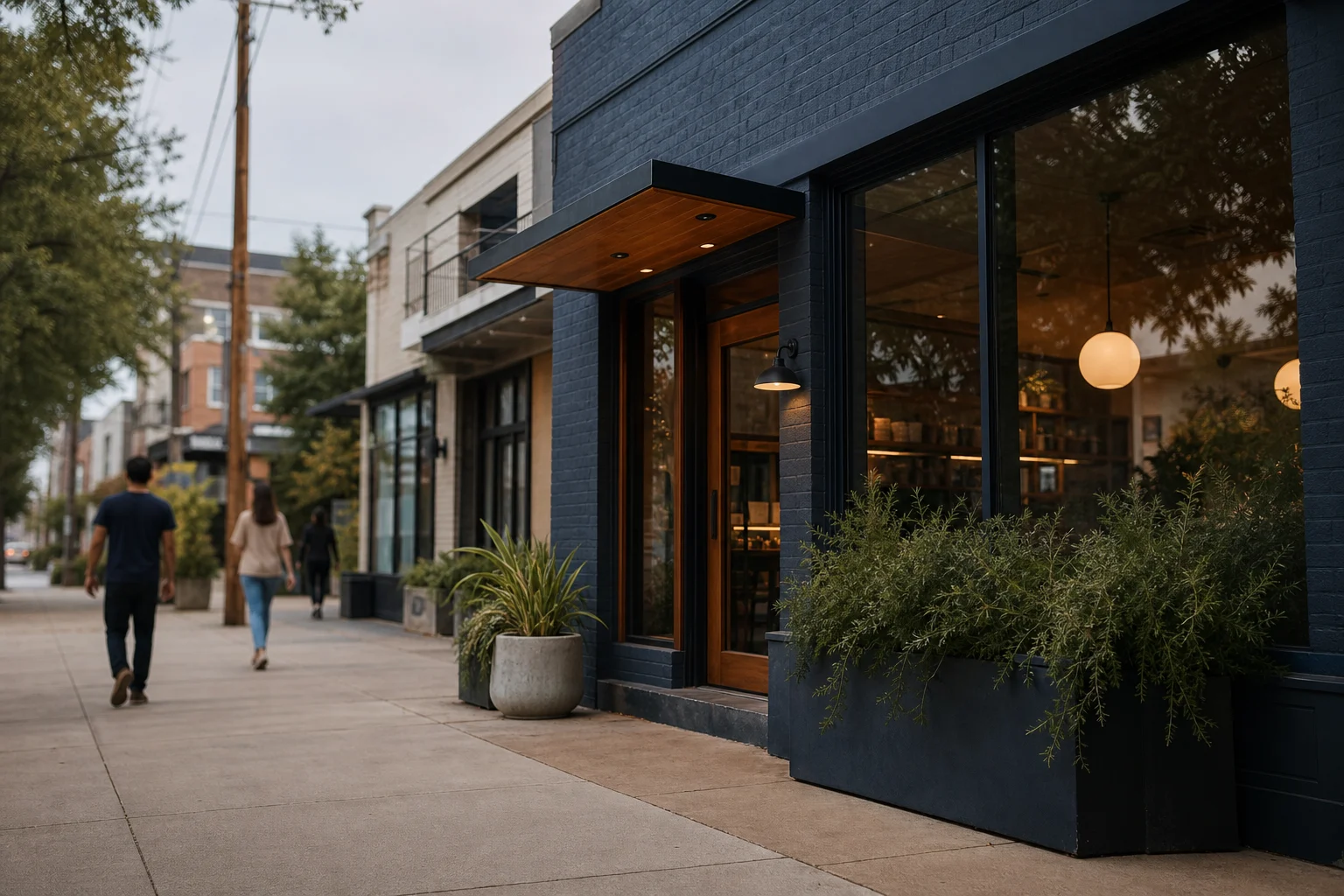
The permit stack to verify
Before signing any lease or purchasing equipment, founders must verify a comprehensive stack of permits and licenses. The bakery permits Seattle requires fall into several categories: city registrations, state licensing, landlord approvals, health certifications, fire safety compliance, signage permissions, tax registrations, insurance requirements, and professional reviews. Each category serves a specific purpose in ensuring your bakery operates legally and safely.
Seattle's top neighborhoods for bakery startups offer distinct advantages. Madrona / Leschi (7.4/10) leads with a strong walkable corridor, high residential density, and zero direct bakery competitors within the immediate area. Golden Wheat Bakery (4.8★, 336 reviews) sits 650m away but closes at 3PM — leaving the evening and late-afternoon bakery slot wide open. Expect roughly $30-50/sqft NNN.
Eastlake / Cascade (7.3/10) sits adjacent to South Lake Union's Amazon campus and Fred Hutch, giving it a strong daytime office-worker base. Grand Central Bakery (4.3★, 599 reviews) is the main incumbent at 523m, but complaints about 45+ minute waits and $14-17 sandwiches suggest a speed-focused bakery could carve a niche. Expect roughly $30-50/sqft NNN.
Capitol Hill (7.2/10) is Seattle's densest, most walkable neighborhood — maxed-out daytime population, strong transit via light rail, and a young, creative customer base. But it's also the most competitive bakery market in this set: The French Guys Bakery (4.5★, 451 reviews), Nuflours Bakery (4.2★, 414 reviews), and Tous Les Jours (3.8★, 68 reviews) all operate within 700m.
City, state, landlord, health, fire, signage, and tax registrations
Seattle bakery founders must obtain city business registration before operating. This basic requirement applies to all businesses operating within city limits. The registration process typically involves verifying your business name and structure with municipal authorities.
State licensing requirements apply to all food establishments in Washington. Bakeries must comply with state regulations regarding food handling, storage, and preparation. These requirements ensure consistent food safety standards across the state.
Landlord approvals often include modifications to commercial spaces. Before signing a lease, verify what alterations you can make to the property. Some landlords restrict changes to plumbing, electrical systems, or structural elements.
Health certifications are non-negotiable for food establishments. Seattle requires inspections to verify compliance with food safety standards. These inspections typically cover equipment sanitation, food storage temperatures, and employee hygiene practices.
Fire safety compliance ensures your bakery meets safety standards. This includes proper fire extinguisher placement, emergency exit accessibility, and grease management systems. Regular inspections verify these systems function correctly.
Signage permissions regulate visual impact on neighborhoods. Seattle has specific rules about sign size, placement, and illumination. These rules maintain aesthetic consistency across commercial districts.
Tax registrations include business and sales tax permits. Seattle bakery owners must collect and remit sales tax on all taxable items. Proper tax documentation is essential for avoiding penalties during audits.
Documents to collect before lease signing
Before committing to a commercial space, gather all necessary documentation. Verify the property's zoning designation allows bakery operations. Some areas have restrictions on food preparation or retail sales.
Review the lease for clauses related to health inspections and compliance. Ensure the landlord understands and accepts the requirements of running a food establishment. Some landlords may be unfamiliar with the specific needs of bakery operations.
Obtain proof of existing utilities and infrastructure capacity. Confirm the electrical system can handle your equipment load. Verify water pressure meets health code requirements for sanitation and cleaning.
Research neighborhood-specific regulations that might affect your bakery. Some Seattle neighborhoods have additional guidelines for commercial establishments, particularly in residential areas. These rules may impact operating hours, waste disposal, or customer parking.
Consider the proximity to competitors when evaluating locations. The data shows significant variation in competition density across Seattle's neighborhoods. Madrona / Leschi offers the most opportunity with minimal direct competition, while Capitol Hill presents the most saturated market.
What varies by bakery format
Different bakery formats require different permits and approvals. A retail bakery serving customers directly faces different requirements than a wholesale bakery supplying other businesses. Your business model significantly impacts the compliance landscape.
Home-based bakeries must navigate additional regulations. Seattle has specific rules for food preparation in residential spaces. These requirements often include separate entrances, dedicated equipment, and limited customer visits.
Food trucks and pop-up bakeries face mobile-specific challenges. These operations require additional permits for mobile vending and temporary locations. Seattle has specific zones and time restrictions for mobile food vendors.
Specialty bakeries with unique offerings may need additional approvals. Bakeries serving alcohol, hosting events, or offering entertainment must comply with additional regulations. These requirements vary based on the specific services offered.
Seasonal or holiday bakeries have different operational considerations. Temporary establishments may face different inspection schedules and requirements. Planning ahead is essential for compliance during peak seasons.
FAQ
What permits do I need for A Bakery in Seattle?
Seattle bakery owners need multiple permits across several categories. City business registration is required for all commercial operations. State licensing covers food safety and handling standards. Health certifications verify compliance with sanitation requirements. Fire safety approvals ensure proper emergency systems. Signage permissions regulate visual impact. Tax registrations include business and sales tax permits. Additional requirements may apply based on your specific bakery format and location.
How long does the permit process take?
The timeline for obtaining all necessary permits varies based on several factors. Some registrations can be completed quickly, while others may require inspections and approvals that take weeks or months. Planning ahead and applying early can help streamline the process.
Can I operate a bakery from home?
Seattle allows home-based bakeries under specific conditions. These operations typically require separate entrances, dedicated equipment, and compliance with residential zoning regulations. Additional restrictions may apply based on neighborhood guidelines.
What health inspections will my bakery undergo?
Health inspections verify compliance with food safety standards. Inspectors typically evaluate equipment sanitation, food storage temperatures, employee hygiene practices, and facility maintenance. Regular inspections ensure ongoing compliance with health regulations.
How do zoning laws affect my bakery location?
Zoning regulations determine where you can operate a bakery. Some areas restrict food preparation or retail sales. Before signing a lease, verify the property's zoning designation allows bakery operations. Neighborhood-specific regulations may also impact your ability to operate in certain areas.
What insurance requirements apply to bakeries?
Seattle bakery owners typically need general liability insurance, property insurance, and workers' compensation coverage. Additional policies may be necessary based on your specific operations and location. Consulting with an insurance professional can help identify appropriate coverage for your business.
Last reviewed: 2026-05-08
Sources: U.S. Census Bureau ACS, LEHD LODES, Google Places, OpenStreetMap, Locavisor neighborhood scoring.
Methodology: Locavisor scores neighborhoods across demand, competition fit, rent fit, accessibility, and customer match. Scores reflect a snapshot of recent data and should be combined with on-the-ground research before lease decisions.
Disclaimer: This article provides informational content only and does not constitute legal, financial, accounting, or real-estate advice. Verify lease terms, licensing, local regulations, costs, and professional requirements with qualified local professionals before making business decisions.
Free preview shows top 3 neighborhoods. Full $9.99 report covers all 10 areas with personalized scoring + 90-day check-ins.
Informational only. Verify lease, licensing, local regulations, costs, and professional requirements with qualified local professionals.