Austin, TX · barber shop
Barber shop permits Austin
Opening a barber shop in Austin requires navigating a complex web of permits and licenses. This guide breaks down the essential compliance requirements for barbers in Austin, helping founders avoid costly mistakes during setup. Austin's market temperature is mixed with medium competition density and medium-high rent levels, making thorough preparation crucial.
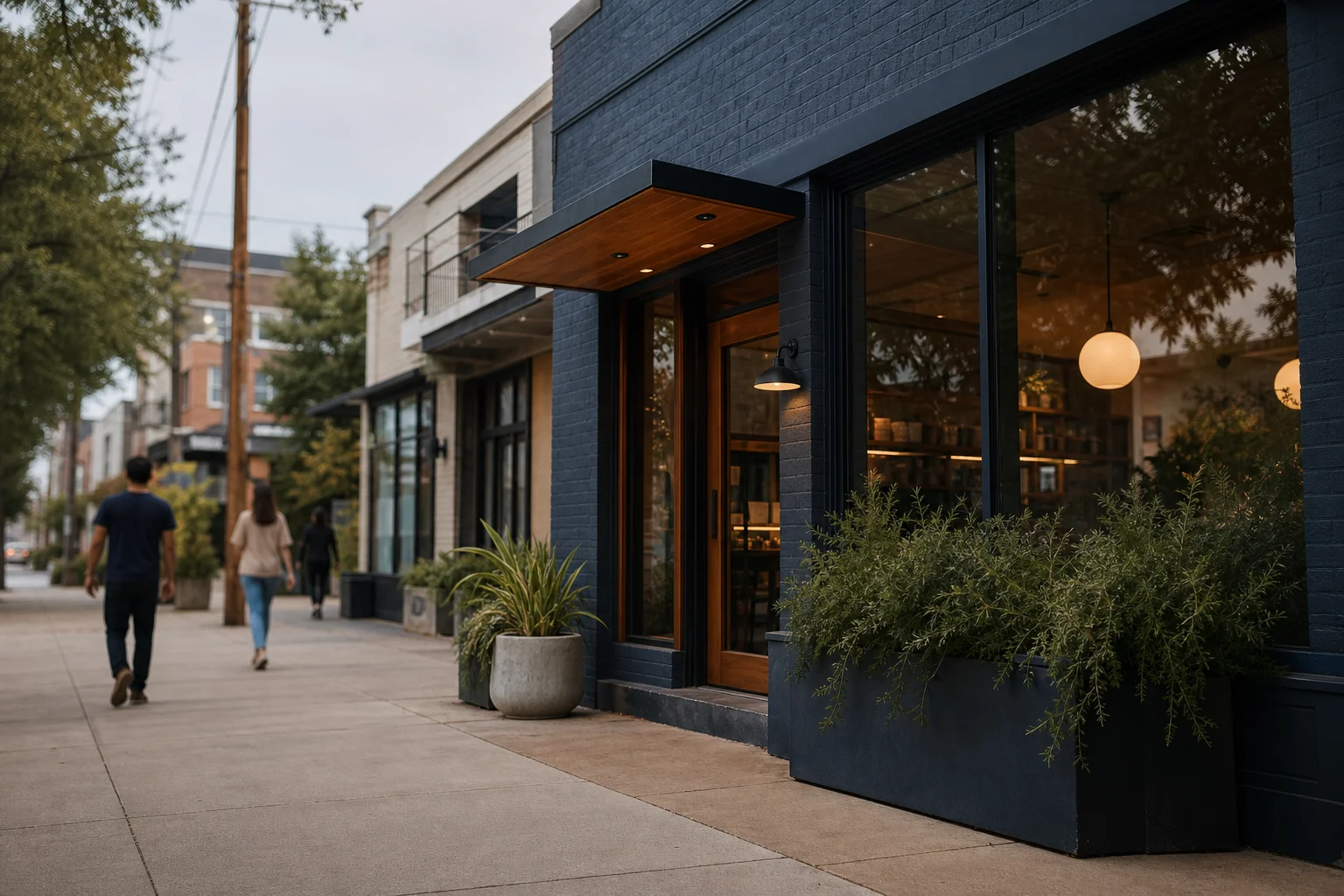
The permit stack to verify
Before signing any lease or making significant investments, verify all required permits and licenses. Austin's regulatory environment for barber shops includes multiple layers of approval. The city's mixed market temperature and medium competition density mean that proper compliance can give your business a competitive edge.
City, state, landlord, health, fire, signage, and tax registrations
City permits form the foundation of your barber shop compliance. Austin requires specific local registrations for businesses operating within city limits. These may include general business operating permits and local health department approvals.
State-level requirements for barber shops in Texas include professional licensing for all barbers and stylists. The Texas Department of Licensing and Regulation oversees barber licensing, which requires completing an approved training program and passing examinations.
Landlord approvals are often overlooked but essential. Before signing a commercial lease, verify that the property is zoned for barber shop operations and that any planned renovations comply with landlord requirements.
Health department regulations cover sanitation, sterilization equipment, and general cleanliness standards. Austin's health department conducts regular inspections to ensure compliance with state-mandated sanitation requirements.
Fire safety requirements include proper emergency exits, fire extinguisher placement, and electrical system compliance. Austin's fire department may require specific modifications to existing buildings before approving a barber shop operation.
Signage permits regulate the size, placement, and illumination of business signs. Austin has specific ordinances governing commercial signage that may affect your branding and visibility.
Tax registrations include state sales tax permits and local business tax certificates. Austin businesses must collect and remit sales tax on services, requiring proper registration with the Texas Comptroller's office.
Documents to collect before lease signing
Before committing to a commercial space, collect all necessary documentation to ensure compliance. Verify zoning regulations for the specific property in your chosen neighborhood. Austin's Domain/North Austin area (6.3/10), Crestview/Brentwood (5.7/10), and South Lamar (5.7/10) each have different zoning requirements that may affect your barber shop.
Research neighborhood-specific regulations that might impact your operations. For example, The Domain area already hosts established competitors like Floyd's 99 Barbershop, Birds Barbershop, and 3 Kings Barbershop, which may create additional regulatory considerations.
Obtain professional licensing verification for all barbers and stylists you plan to hire. Ensure each professional has an active Texas barber license in good standing.
Review building inspection reports for the property. Austin's building department may require specific modifications before approving a barber shop operation, particularly in older buildings.
What varies by barber shop format
Different barber shop formats have varying compliance requirements. Traditional barber shops with straight razor services may have additional health and safety considerations compared to modern barbershops focused solely on haircuts.
Full-service barbershops offering haircuts, shaves, and facial treatments may require additional health department approvals. Austin's health department has specific requirements for facilities offering multiple services.
Barber schools have different licensing requirements than commercial barber shops. If planning to operate an educational facility, additional state approvals will be necessary.
Mobile barber services face unique regulatory challenges. Austin may have specific ordinances governing mobile business operations, including parking restrictions and service area limitations.
Barber shops in high-traffic areas like The Domain may have additional signage restrictions due to the area's commercial character. Austin's commercial districts often have specific aesthetic guidelines that affect business signage.
FAQ
What permits do I need for A Barber Shop in Austin?
Austin barber shops require multiple layers of permits and licenses. City permits include general business operating approvals and local health department registrations. State requirements include professional barber licenses for all stylists and barbers. Landlord approvals are necessary for any property modifications. Health department regulations cover sanitation and sterilization standards. Fire safety requirements include proper emergency exits and equipment. Signage permits regulate business visibility. Tax registrations include state sales tax permits and local business tax certificates.
Last reviewed: 2026-05-08
Sources: U.S. Census Bureau ACS, LEHD LODES, Google Places, OpenStreetMap, Locavisor neighborhood scoring.
Methodology: Locavisor scores neighborhoods across demand, competition fit, rent fit, accessibility, and customer match. Scores reflect a snapshot of recent data and should be combined with on-the-ground research before lease decisions.
Disclaimer: This article provides informational content only and does not constitute legal, financial, accounting, or real-estate advice. Verify lease terms, licensing, local regulations, costs, and professional requirements with qualified local professionals before making business decisions.
Free preview shows top 3 neighborhoods. Full $9.99 report covers all 10 areas with personalized scoring + 90-day check-ins.
Informational only. Verify lease, licensing, local regulations, costs, and professional requirements with qualified local professionals.