Boston, MA · barber shop
Barber shop permits Boston
For small business founders looking to open a barber shop in Boston, navigating the complex web of permits and licenses can be overwhelming. Understanding the barber shop permits Boston requires is crucial for a smooth launch and avoiding costly delays. This guide breaks down the essential permits and licenses you'll need to verify before opening your doors.
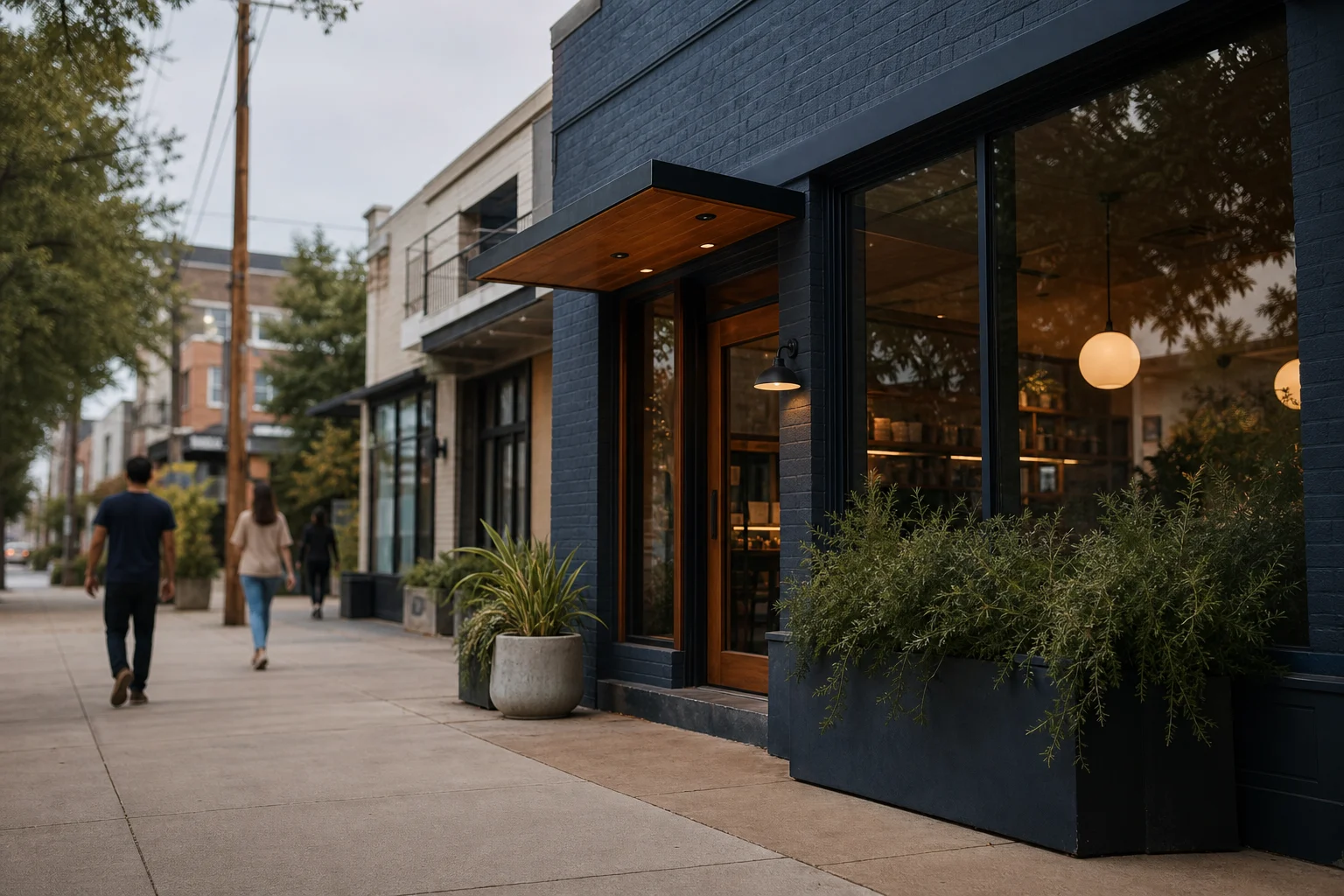
The permit stack to verify
When opening a barber shop in Boston, you'll need to verify several categories of permits and licenses. These requirements ensure your business operates legally, safely, and in compliance with local regulations. The permit stack typically includes city, state, landlord, health, fire, signage, and tax registrations.
City, state, landlord, health, fire, signage, and tax registrations
City permits
Boston requires specific city permits for barber shops. These may include general business operating permits and zoning compliance certificates. Before signing a lease, verify that your chosen location is zoned for barber shop operations. Some areas may have additional restrictions or requirements based on their specific zoning classifications.
State licenses
Barber shops in Massachusetts must comply with state licensing requirements. This typically includes barber-specific licenses for all stylists and barbers performing services. The state may also require facility certifications to ensure your shop meets professional standards.
Landlord approvals
Beyond government permits, you'll need approval from your property landlord or management company. This often includes a use agreement specifying how the space will be used for barber services. Some landlords may have additional requirements or restrictions on business operations.
Health department requirements
Barber shops must meet health department standards to ensure customer safety. These requirements typically cover sanitation practices, equipment sterilization, and proper waste disposal. Regular inspections may be required to maintain compliance.
Fire safety compliance
Fire safety is critical for any commercial establishment. Your barber shop will need to meet fire safety standards, which may include proper exit routes, fire extinguisher placement, and electrical system compliance. Fire department inspections are usually required before opening.
Signage regulations
Boston has specific regulations regarding business signage. These rules govern the size, placement, and illumination of signs. Before installing any signage, verify compliance with local ordinances to avoid potential fines or removal requirements.
Tax registrations
Your barber shop will need appropriate tax registrations at both state and federal levels. This typically includes sales tax collection permits and employer identification numbers if you plan to hire staff. Proper tax documentation is essential for legal operation.
Documents to collect before lease signing
Before committing to a commercial space, gather all necessary documentation to ensure compliance. This includes zoning verification documents, building code compliance certificates, and any historical inspection reports for the property. If the space previously housed a barber shop or similar business, request copies of previous permits and inspection records.
Research the specific neighborhood where you plan to open. According to Locavisor neighborhood scoring, Quincy Center / North Quincy (7.6/10) is the best area for a medium-budget barber shop. It offers strong office-worker lunch traffic from the Red Line corridor, dense residential base for repeat business, and zero direct barber competitors within the search radius. Rent is manageable at roughly $30-50/sqft NNN — the most affordable option among ranked areas.
Other areas to consider include Assembly Row (Somerville) (6.4/10), which has high-traffic mixed-use characteristics but premium rent at roughly $65-95/sqft NNN, and East Boston (6.3/10), which has strong daytime population but is already dense with barber shops.
What varies by barber shop format
The specific permits and licenses you'll need may vary depending on your barber shop format. Traditional barber shops offering haircuts, shaves, and other grooming services will have different requirements than specialty barber shops focusing on specific services or products.
Mobile barber shops, for example, may have additional permitting requirements related to vehicle operation and temporary business locations. Barber shops offering retail products may need additional sales tax permits or product-specific certifications.
Regardless of format, all barber shops in Boston must comply with the basic permit categories outlined in this guide. The key is to understand how your specific business model might affect your permitting requirements.
FAQ
What permits do I need for A Barber Shop in Boston?
You'll need several categories of permits for a barber shop in Boston. These typically include city business operating permits, state barber licenses for all staff, landlord use agreements, health department certifications, fire safety compliance, signage permits, and appropriate tax registrations. The exact requirements may vary based on your specific location and business model.
How long does it take to get all the necessary permits?
Processing times for permits can vary significantly. Some permits may be issued quickly, while others may require inspections and additional documentation. It's advisable to start the permitting process as early as possible to avoid delays in your opening timeline.
Can I apply for permits before finding a location?
While you can begin researching general requirements, most permits are location-specific. You'll need to secure your commercial space before applying for location-based permits like zoning compliance and health department certifications.
Are there any special considerations for historic buildings in Boston?
Historic buildings may have additional requirements related to preservation and renovation. If you're considering a historic location, consult with both the Boston Landmarks Commission and historic preservation specialists early in your planning process.
Do I need separate permits for each barber working at my shop?
In Massachusetts, each barber performing services typically needs their own individual license. However, the business itself will need a separate facility license or certification.
What happens if I open without all the necessary permits?
Operating without proper permits can result in fines, closure orders, and legal complications. It's essential to complete all permitting requirements before opening your barber shop to avoid these risks.
How often do I need to renew my permits?
Permit renewal requirements vary by type. Some permits may need annual renewal, while others may be valid for multiple years. Check with the issuing authorities for specific renewal timelines and requirements.
Last reviewed: 2026-05-08
Sources: U.S. Census Bureau ACS, LEHD LODES, Google Places, OpenStreetMap, Locavisor neighborhood scoring.
Methodology: Locavisor scores neighborhoods across demand, competition fit, rent fit, accessibility, and customer match. Scores reflect a snapshot of recent data and should be combined with on-the-ground research before lease decisions.
Disclaimer: This article provides informational content only and does not constitute legal, financial, accounting, or real-estate advice. Verify lease terms, licensing, local regulations, costs, and professional requirements with qualified local professionals before making business decisions.
Free preview shows top 3 neighborhoods. Full $9.99 report covers all 10 areas with personalized scoring + 90-day check-ins.
Informational only. Verify lease, licensing, local regulations, costs, and professional requirements with qualified local professionals.