Columbus, OH · barber shop
Barber shop permits Columbus
Opening a barber shop in Columbus requires navigating a complex web of permits and licenses. This guide breaks down the essential compliance requirements for Columbus barbers, helping you avoid costly delays and ensure your business operates legally from day one. 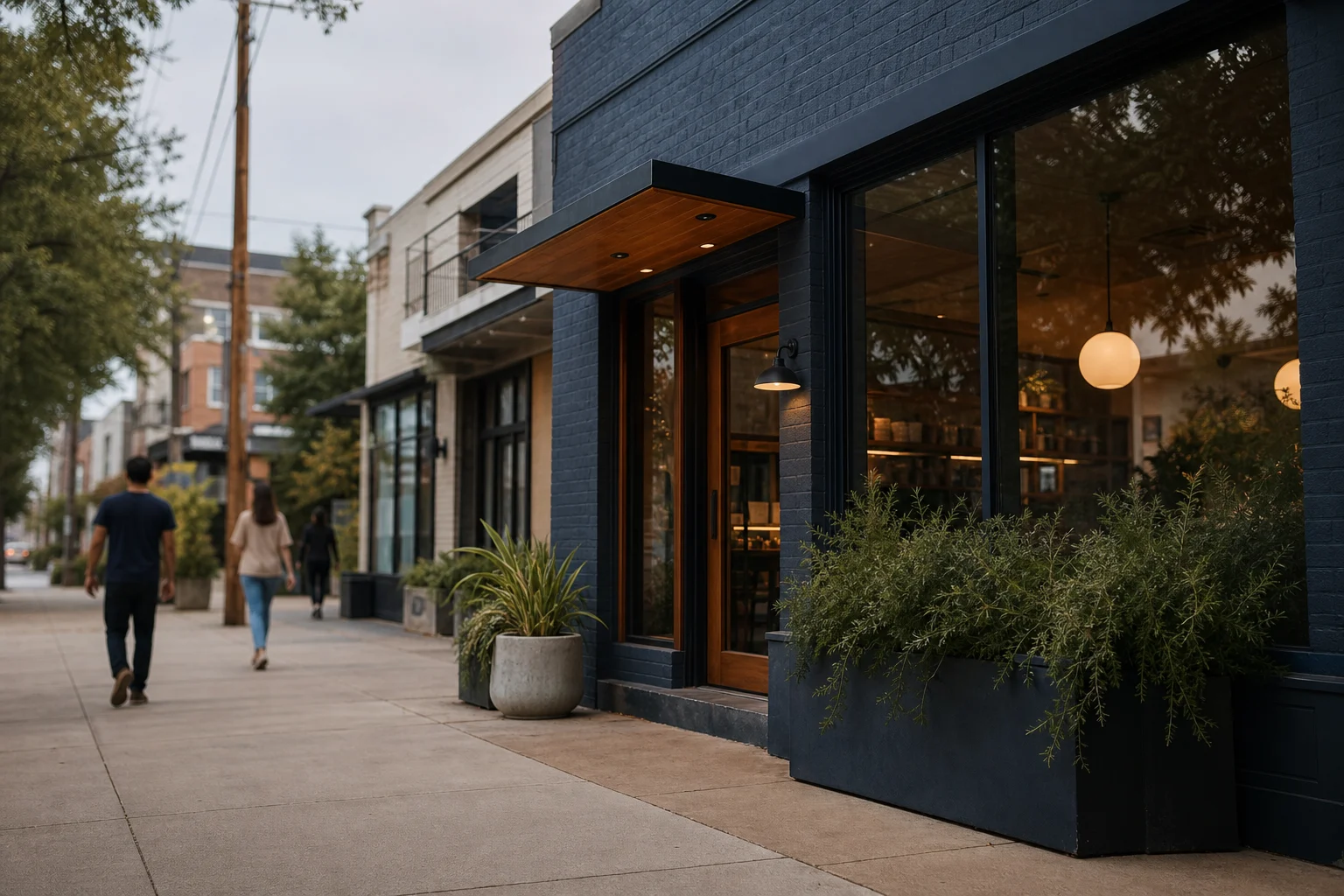
The permit stack to verify
Before signing any lease or investing in equipment, Columbus barbers must verify several categories of permits and licenses. These requirements vary by location within the city, with different regulations applying to Easton, Polaris, and Discovery District. The permit stack includes city, state, landlord, health, fire, signage, and tax registrations. Each category serves a specific purpose in ensuring your barber shop meets local standards and protects both your business and clients.
City, state, landlord, health, fire, signage, and tax registrations
Columbus barbers need to secure multiple registrations across different levels of government. City-level permits typically include basic business operating licenses and zoning compliance verification. State requirements often involve professional licensing for barbers and potentially sales tax registration. Landlord approvals may be necessary for modifications to the space. Health permits ensure sanitation standards are met, while fire safety certifications verify proper equipment placement and emergency exits. Signage permits regulate the size, placement, and illumination of your shop's exterior signs. Finally, tax registrations include both state and local business tax obligations.
Documents to collect before lease signing
Before committing to a lease location, Columbus barbers should gather several documents to verify compliance requirements. These include zoning verification confirming the property allows barber shop operations, building code compliance reports, and historical health inspection data for the space. If the building has housed previous beauty or barber services, request their inspection history. Also collect information about any existing plumbing, electrical, or ventilation systems that may need modification. For Easton, Polaris, and Discovery District locations, research the specific neighborhood regulations that might impact your operations.
What varies by barber shop format
Different barber shop formats in Columbus may have varying permit requirements. Traditional barbershops with haircuts and shaves need different certifications than those offering additional services like facial treatments or specialized hair coloring. Mobile barber units have separate licensing requirements compared to brick-and-mortar locations. Shops offering retail products may need additional permits for sales. The Easton area, with its medium-high rent levels and office-worker clientele, might support a full-service barber shop format. Polaris, with its established competitor AJ's Man Cave Barbershop (4.9★, 363 reviews), suggests a format that can compete with existing offerings. The Discovery District's walkability and daytime population density might support a more specialized or convenience-oriented barber service.
FAQ
What permits do I need for A Barber Shop in Columbus?
Columbus barbers typically need city business operating licenses, state barber professional licenses, health department permits, fire safety certifications, signage permits, and tax registrations. The specific requirements vary by location within Columbus, with different regulations applying to Easton, Polaris, and Discovery District areas. Always verify the exact requirements for your specific location before opening.
How do Columbus barber shop permit requirements differ by neighborhood?
Permit requirements can vary significantly across Columbus neighborhoods. Easton, with its retail corridor and office density, has specific zoning regulations for commercial services. Polaris, as a suburban office-and-retail hub, has different building code requirements. The Discovery District, with its cultural and institutional core, may have additional considerations due to its downtown location and proximity to educational institutions like Franklin University, CCAD, and Columbus State.
What should I consider when choosing a location for my barber shop in Columbus?
When selecting a location, consider factors like competition density, rent levels, and target clientele. Easton offers a clear gap in barber services with no direct competitors found in the immediate Google Places radius, though rent runs roughly $45-70/sqft NNN. Polaris has established competition with AJ's Man Cave Barbershop but benefits from high office density. The Discovery District offers excellent walkability and transit access with a daytime population density near ceiling. Each location presents different opportunities and challenges for Columbus barbers.
How do I verify zoning compliance for a barber shop in Columbus?
Before signing a lease, verify that the property is zoned for barber shop operations. This typically involves checking with the Columbus city planning department or reviewing the property's zoning classification. Some areas may have specific requirements or restrictions on beauty and barber services. For Easton, Polaris, and Discovery District locations, research any neighborhood-specific regulations that might impact your operations.
What health and safety requirements apply to Columbus barber shops?
Columbus barber shops must meet health department standards for sanitation, including proper sterilization equipment, ventilation systems, and waste disposal. Fire safety requirements typically include proper fire extinguisher placement, emergency exit accessibility, and compliance with building codes. The specific requirements vary by location and should be verified with the appropriate city departments before opening.
How do Columbus barber shop permit requirements impact startup costs?
Permit and licensing costs can significantly impact startup budgets for Columbus barbers. Requirements vary by location, with Easton's medium-high rent levels affecting overall investment needs. Polaris and Discovery District locations may have different fee structures based on their respective commercial regulations. Always budget for permit applications, inspections, and potential modifications to meet compliance standards before opening your barber shop.
What professional licenses are required for barbers in Columbus?
Columbus barbers must obtain state professional licenses, which typically involve completing an approved barber program and passing examinations. The specific requirements vary by state and should be verified with the Ohio State Board of Cosmetology. Additional certifications may be required for specialized services or products offered at your barber shop.
How long does it take to obtain all necessary permits for a Columbus barber shop?
The timeline for obtaining permits varies depending on the specific requirements and processing times for each permit category. Some permits may be approved quickly, while others, particularly health and fire certifications, may require inspections and potential modifications. It's advisable to begin the permit application process well before your planned opening date to account for any delays or additional requirements.
What resources are available to help Columbus barbers navigate permit requirements?
Columbus barbers can access resources through the city's business development office, local barber associations, and professional licensing boards. For Easton, Polaris, and Discovery District locations, consider consulting with local business owners who have navigated the same process. Professional consultants with experience in Columbus commercial regulations can also provide guidance on the specific requirements for your location.
How do Columbus barber shop permit requirements affect business operations?
Compliance with permit requirements affects various aspects of barber shop operations, including service offerings, facility design, and business hours. Some permits may restrict certain services or require specific equipment or facilities. Understanding these requirements before opening helps ensure smooth operations and avoids potential fines or closures due to non-compliance.
Last reviewed: 2026-05-08
Sources: U.S. Census Bureau ACS, LEHD LODES, Google Places, OpenStreetMap, Locavisor neighborhood scoring.
Methodology: Locavisor scores neighborhoods across demand, competition fit, rent fit, accessibility, and customer match. Scores reflect a snapshot of recent data and should be combined with on-the-ground research before lease decisions.
Disclaimer: This article provides informational content only and does not constitute legal, financial, accounting, or real-estate advice. Verify lease terms, licensing, local regulations, costs, and professional requirements with qualified local professionals before making business decisions.
Free preview shows top 3 neighborhoods. Full $9.99 report covers all 10 areas with personalized scoring + 90-day check-ins.
Informational only. Verify lease, licensing, local regulations, costs, and professional requirements with qualified local professionals.