Fort Worth, TX · barber shop
Barber shop permits Fort Worth
Opening a barber shop in Fort Worth requires navigating a specific set of permits and licenses. The city's mixed market temperature and medium competition density create opportunities for new businesses, but proper compliance is essential. Fort Worth's best area for a barber shop is Sundance Square with an overall score of 6.6/10, according to Locavisor neighborhood scoring. This location offers the highest daytime worker density in the city, strong walkability, and solid transit/parking access. With four barbershops within 400m including The Cutting Room at 4.9★/623 reviews and Local Barber at 4.9★/231 reviews, you're entering a proven market.
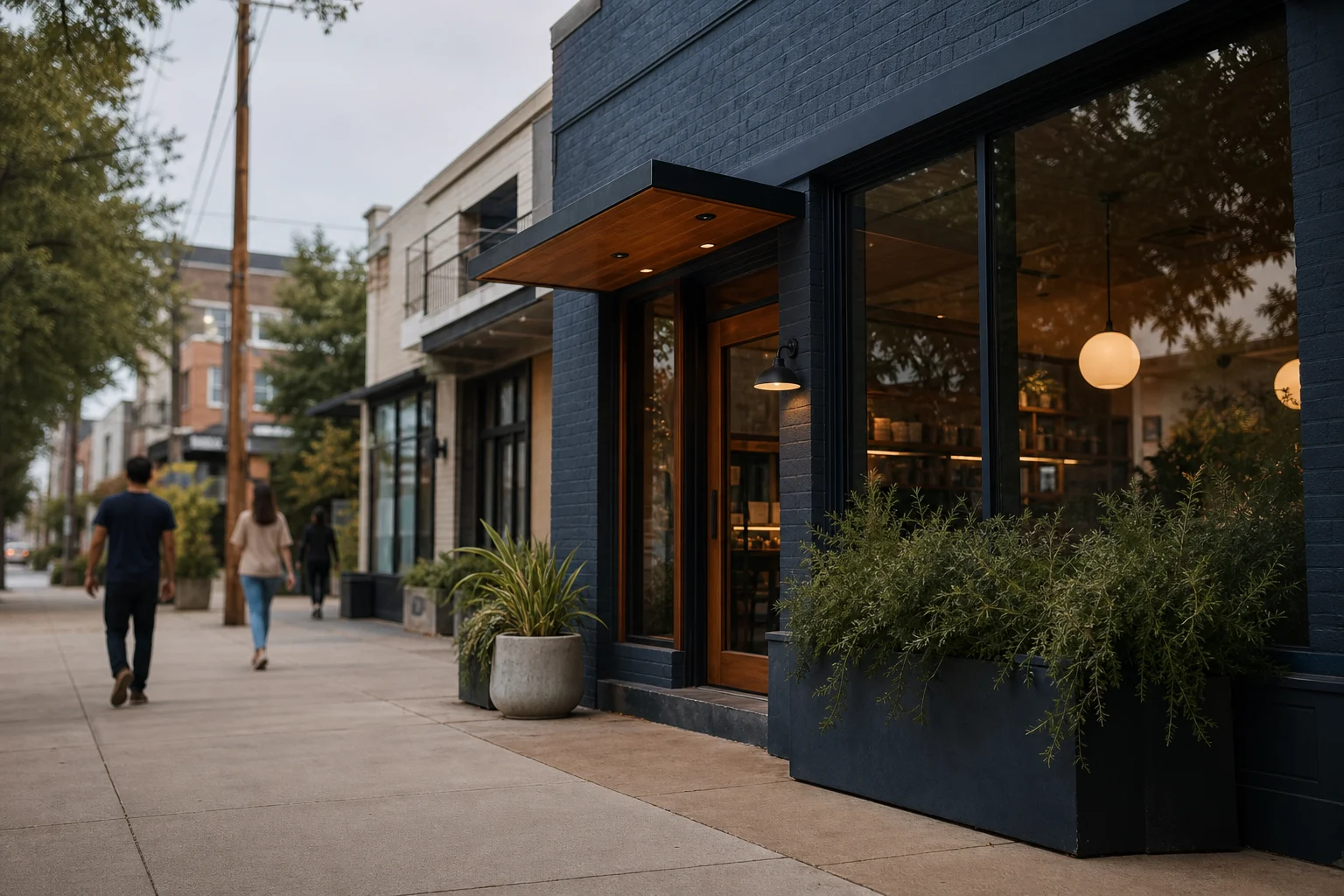
The permit stack to verify
Before opening your Fort Worth barber shop, you'll need to verify several categories of permits and licenses. The process involves multiple layers of compliance from city, state, and local authorities. Each category serves a specific purpose in ensuring your business operates legally and safely. Missing any element of this stack can delay your opening or result in penalties.
Fort Worth's top three locations for barber shops offer different market dynamics. Sundance Square (6.6/10) is Fort Worth's iconic downtown core with the highest daytime worker density. The Stockyards (6.5/10) is Fort Worth's premier tourist corridor with Billy Bob's, cattle drives, and Stockyards Station. Clearfork (5.8/10) is Fort Worth's premium lifestyle-center district with The Shops at Clearfork, upscale dining, corporate offices, and luxury apartments. Locavisor neighborhood scoring shows a 78% confidence level in these area assessments based on a 2026-05 snapshot.
City, state, landlord, health, fire, signage, and tax registrations
Fort Worth requires specific city registrations for barber shops. These typically include basic business operating permits and zoning compliance verification. State-level requirements in Texas involve professional licensing for barbers and potentially a cosmetology establishment license. Your landlord may require additional documentation beyond standard lease agreements, particularly if modifications are needed to the space.
Health department compliance is critical for barber shops. This usually involves sanitation standards, proper sterilization equipment, and regular inspections. Fire safety requirements include proper emergency exits, extinguisher placement, and compliance with building codes. Signage permits regulate the size, placement, and illumination of your business signage. Tax registrations cover sales tax collection and employer identification if you plan to hire staff.
Documents to collect before lease signing
Before signing a lease for your Fort Worth barber shop, collect all necessary documentation. Verify zoning regulations allow barber operations in your chosen location. Obtain copies of any existing permits that transfer with the property. Review health and safety requirements specific to the space. Check if previous tenants left any compliance documentation that could be helpful.
In Sundance Square, you'll find four barbershops within 400m, indicating a proven market. The Cutting Room at 4.9★/623 reviews and Local Barber at 4.9★/231 reviews show customer acceptance in this area. The Stockyards offers zero direct barber competitors but has a tourist-driven customer base with weekend spikes and weekday lulls. Clearfork already has Boardroom Salon For Men (4.7★, 424 reviews) as a premium men's grooming competitor. Rent levels vary significantly across these locations, from roughly $30-50/sqft NNN in Stockyards to $45-70/sqft NNN in Clearfork.
What varies by barber shop format
Your barber shop format affects permit requirements. A traditional barber shop with straight razor services may need additional sanitation certifications. Barber schools have different licensing requirements than retail barber shops. Mobile barber units face separate regulations regarding location and operation. Specialty services like beard competitions or barber training programs may require additional permits.
The competition density in Fort Worth is medium, meaning there's room for new businesses if you differentiate your offering. Market temperature is mixed, suggesting both opportunities and challenges. Consider how your format aligns with the character of your chosen neighborhood. Sundance Square's daytime worker density suits traditional business hours, while the Stockyards' tourist traffic might support extended weekend hours.
FAQ
What permits do I need for A Barber Shop in Fort Worth?
You'll need to verify city business operating permits, state professional licenses for barbers, and potentially a cosmetology establishment license. Health department compliance is required for sanitation standards. Fire safety permits ensure proper emergency exits and equipment. Signage permits regulate your business signage. Tax registrations cover sales tax collection and employer identification if hiring staff. Your landlord may have additional requirements for space modifications.
How does location affect permit requirements in Fort Worth?
Different neighborhoods may have specific zoning requirements or additional health regulations. Tourist areas like the Stockyards might have special considerations for business operations. High-traffic areas like Sundance Square could have stricter signage regulations. Always verify location-specific requirements before finalizing your business plan.
What's the best area for a new barber shop in Fort Worth?
According to Locavisor neighborhood scoring, Sundance Square (6.6/10) is the best area for a barber shop. It offers the highest daytime worker density, strong walkability, and solid transit/parking access. The area already has four barbershops within 400m, indicating a proven market. The Stockyards (6.5/10) offers zero direct competition but has a tourist-driven customer base. Clearfork (5.8/10) has a premium men's grooming competitor already established.
How much do permits typically cost for a Fort Worth barber shop?
Permit costs vary based on business size, location, and specific requirements. The city of Fort Worth charges different fees for various permits. State licensing fees depend on the number of barbers employed. Health department inspection fees may apply. Signage permits have associated costs. Always budget for these expenses when planning your startup costs.
How long does the permit process take in Fort Worth?
Processing times vary by permit type and current city workload. Basic business permits may be issued quickly, while specialized permits could take longer. State professional licenses require application processing time. Health department inspections may need scheduling. Plan for several weeks to complete all necessary permits before opening your barber shop.
Last reviewed: 2026-05-08
Sources: U.S. Census Bureau ACS, LEHD LODES, Google Places, OpenStreetMap, Locavisor neighborhood scoring.
Methodology: Locavisor scores neighborhoods across demand, competition fit, rent fit, accessibility, and customer match. Scores reflect a snapshot of recent data and should be combined with on-the-ground research before lease decisions.
Disclaimer: This article provides informational content only and does not constitute legal, financial, accounting, or real-estate advice. Verify lease terms, licensing, local regulations, costs, and professional requirements with qualified local professionals before making business decisions.
Free preview shows top 3 neighborhoods. Full $9.99 report covers all 10 areas with personalized scoring + 90-day check-ins.
Informational only. Verify lease, licensing, local regulations, costs, and professional requirements with qualified local professionals.