Phoenix, AZ · barber shop
Barber shop permits Phoenix
Opening a barber shop in Phoenix requires navigating a specific set of permits and licenses. This guide breaks down what you need to know before you sign a lease or start building out your space. The permit process in Phoenix can be complex, but understanding the requirements upfront helps avoid costly delays and ensures your business operates legally from day one.
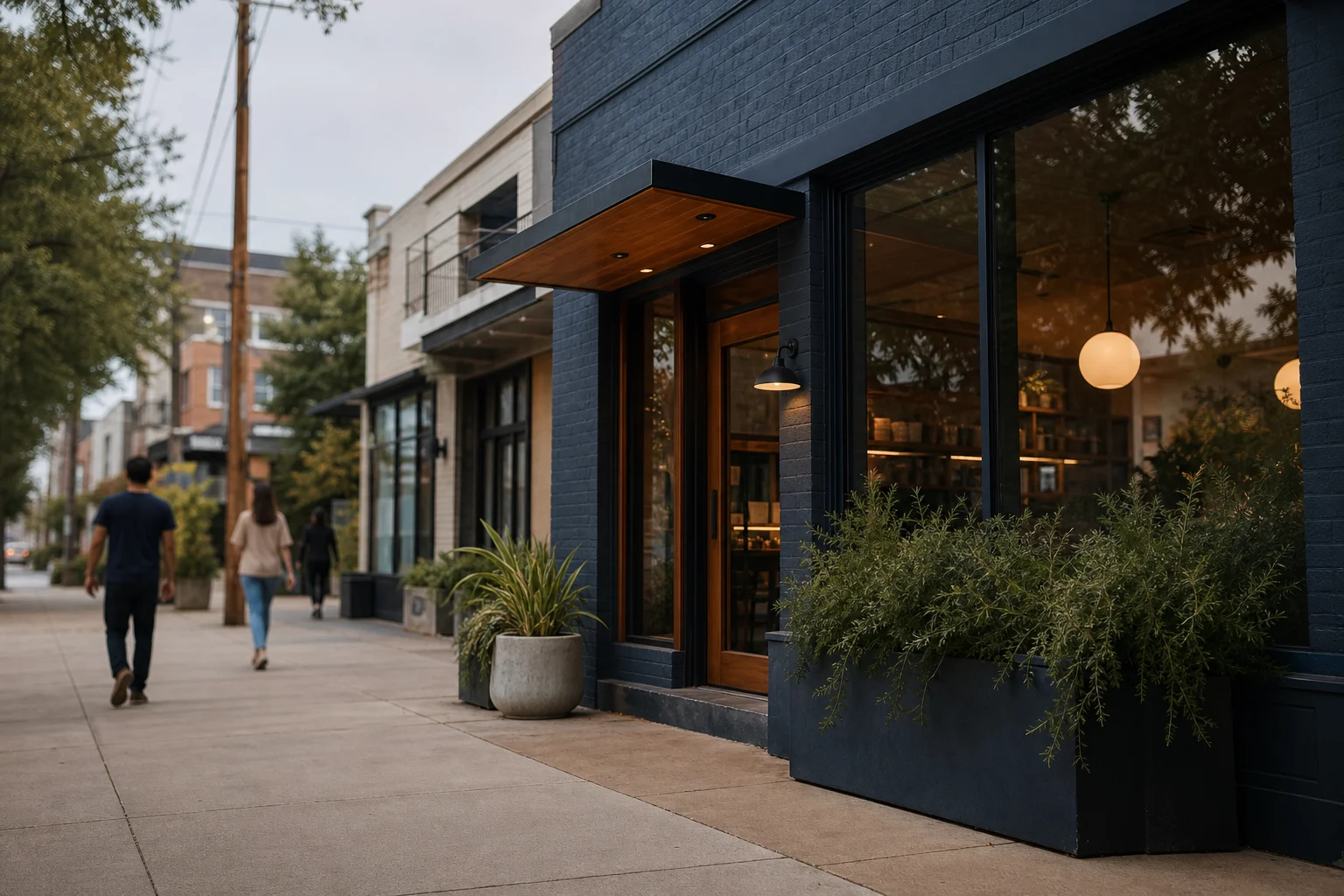
Why permits matter before you sign a lease
Before you commit to a location, you need to understand the permit landscape in Phoenix. The city has specific requirements for barber shops that can impact your timeline and budget. Many founders make the mistake of signing a lease before verifying that the space can accommodate the necessary permits, leading to expensive modifications or even having to move locations.
Barber shops in Phoenix require health department approvals, building code compliance, and business licensing. These requirements aren't just bureaucratic hurdles-they ensure your customers' safety and your business's long-term viability. The health department will inspect your space for proper sanitation, ventilation, and waste disposal. Building inspectors will verify that your electrical, plumbing, and structural systems meet code for a commercial salon environment.
When evaluating neighborhoods, consider the permit environment alongside rent costs. For example, the Camelback Corridor has a rent band of $48/sqft/yr NNN, while areas like Old Town Scottsdale and Roosevelt Row have rent bands of $26-$65/sqft/yr NNN. Higher rent areas sometimes have more streamlined processes due to newer infrastructure, but this isn't always the case.
Required permits and licenses for a barber shop in Phoenix
The question many founders ask is: "What permits do I need to open a barber shop in Phoenix?" The answer depends on your specific location and business model, but generally includes:
- Business license from the City of Phoenix
- Health department permit for cosmetology services
- Building permit for any construction or renovations
- Fire department inspection and permit
- Signage permit for your business name and branding
- State cosmetology license for barbers
- Sales tax license from Arizona Department of Revenue
The City of Phoenix requires all businesses to obtain a basic business license before operating. For barber shops, you'll also need a specialized health department permit that focuses on sanitation, product storage, and waste disposal. This typically involves a detailed plan showing how you'll maintain cleanliness and handle chemicals safely.
Barbers themselves must be licensed by the Arizona State Board of Cosmetology. This requires completing an approved training program and passing both written and practical exams. Don't forget that all employees need individual licenses as well.
Building permits become necessary if you're making structural changes, installing new plumbing for washing stations, or modifying the electrical system. Even seemingly minor changes might require inspection if they affect the building's systems.
Realistic timeline from application to opening
The permit process in Phoenix typically takes a variable local timeline from application to approval, but this can vary significantly based on the complexity of your project and the specific requirements of your location. The City of Phoenix has made efforts to streamline the process, but each application is reviewed individually.
Start the permit process at least three months before your planned opening date. This buffer accounts for potential revisions, additional documentation requests, and scheduling inspections. Many founders underestimate this timeline and end up delaying their grand opening.
Health department inspections often happen after construction is complete but before you begin operations. The fire department may require sprinkler systems or fire extinguishers depending on your space size and layout. Coordinating these inspections can take additional time, especially if corrections are needed.
Common reasons applications get rejected in Phoenix
Understanding why applications get rejected can help you prepare a stronger submission from the start. The most common issues include:
- Incomplete applications missing required documentation
- Failure to meet health department sanitation standards
- Building code violations in the proposed layout
- Insufficient parking or accessibility features
- Unapproved signage designs or placements
- Missing state cosmetology licenses for operators
The City of Phoenix is particular about health and safety standards. Your application should include detailed plans for sanitation, including how you'll clean stations between clients, store products, and dispose of chemical waste. Many rejections happen because these details are vague or missing.
Building code violations often relate to proper ventilation, especially important in barber shops where chemicals and hair particles can accumulate. Ensure your space has adequate airflow and filtration systems designed for commercial use.
How to budget for permits and inspections
Your budget should include:
- Application fees for each permit
- Potential architect or engineer fees for plans
- Inspection fees
- Corrections or modifications if issues are identified
- Temporary operating permits if opening is delayed
Remember that some neighborhoods may have additional requirements. For example, historic districts like Roosevelt Row might have preservation guidelines that affect your buildout and signage. Always check with the local planning department before finalizing your budget.
Quick reference - which neighborhoods minimize permit friction
When choosing a location, consider how neighborhood characteristics might affect your permit process. Here's a comparison of Phoenix's top barber shop neighborhoods:
| Neighborhood | Locavisor Score | Rent Band | Permit Considerations |
|---|---|---|---|
| Camelback Corridor | 7.2/10 | $48/sqft/yr NNN | Newer buildings, potentially streamlined processes |
| Old Town Scottsdale | 6.8/10 | $26-$65/sqft/yr NNN | Historic district may have additional requirements |
| Roosevelt Row | 6.6/10 | $26-$65/sqft/yr NNN | Mixed-use area with specific signage regulations |
| North Central Phoenix | 6.2/10 | $26-$65/sqft/yr NNN | Established residential-commercial mix |
| Downtown Phoenix | 6.2/10 | $26-$65/sqft/yr NNN | Transit-oriented development with specific guidelines |
Camelback Corridor, with its higher score and consistent rent band, might offer more predictable permit processes due to newer infrastructure. However, don't assume this-always verify with the local planning department.
Old Town Scottsdale and Roosevelt Row, while having competitive rent bands, are mixed-use areas with specific guidelines. These neighborhoods have successful barber shops like Ace of Fades 2 in Old Town Scottsdale and Roosevelt Barber Shop in Roosevelt Row, showing that permit compliance is achievable with proper planning.
FAQ
Q: Do I need a separate permit for each barber in my shop? A: No, the business permit covers the entire establishment. However, each barber must hold an individual state cosmetology license from the Arizona Board of Cosmetology.
Q: How long does the health department inspection typically take? A: Inspections usually take 1-2 hours depending on the size of your space. The inspector will review your sanitation procedures, product storage, and waste disposal systems.
Q: Can I open my barber shop while waiting for permits? A: No, operating without proper permits can result in fines and closure orders. Always obtain all necessary approvals before beginning services.
This guide provides a framework for understanding barber shop permits in Phoenix, but always verify requirements with the City of Phoenix and relevant state agencies before making decisions. The permit process is designed to ensure safety and compliance, and proper preparation will help your barber shop open successfully.
Last reviewed: 2026-05-30
Sources: U.S. Census Bureau ACS, LEHD LODES, Google Places, OpenStreetMap, Locavisor neighborhood scoring.
Methodology: Locavisor scores neighborhoods across demand, competition fit, rent fit, accessibility, and customer match. Scores reflect a snapshot of recent data and should be combined with on-the-ground research before lease decisions.
Disclaimer: This article provides informational content only and does not constitute legal, financial, accounting, or real-estate advice. Verify lease terms, licensing, local regulations, costs, and professional requirements with qualified local professionals before making business decisions.
Free preview shows top 3 neighborhoods. Full $9.99 report covers all 10 areas with personalized scoring + 90-day check-ins.
Informational only. Verify lease, licensing, local regulations, costs, and professional requirements with qualified local professionals.