Atlanta, GA · boba shop
Boba shop permits Atlanta
Opening a boba shop in Atlanta requires navigating a complex web of permits and licenses. The city's mixed market temperature, medium competition density, and high rent levels make thorough compliance preparation essential. Locavisor neighborhood scoring identifies Atlantic Station as the strongest candidate on paper with an overall score of 5.7/10, though rent is trophy-tier at $90-140/sqft NNN. Downtown and Smyrna/Vinings follow with scores of 5.5/10 each, offering different advantages for your boba business venture.
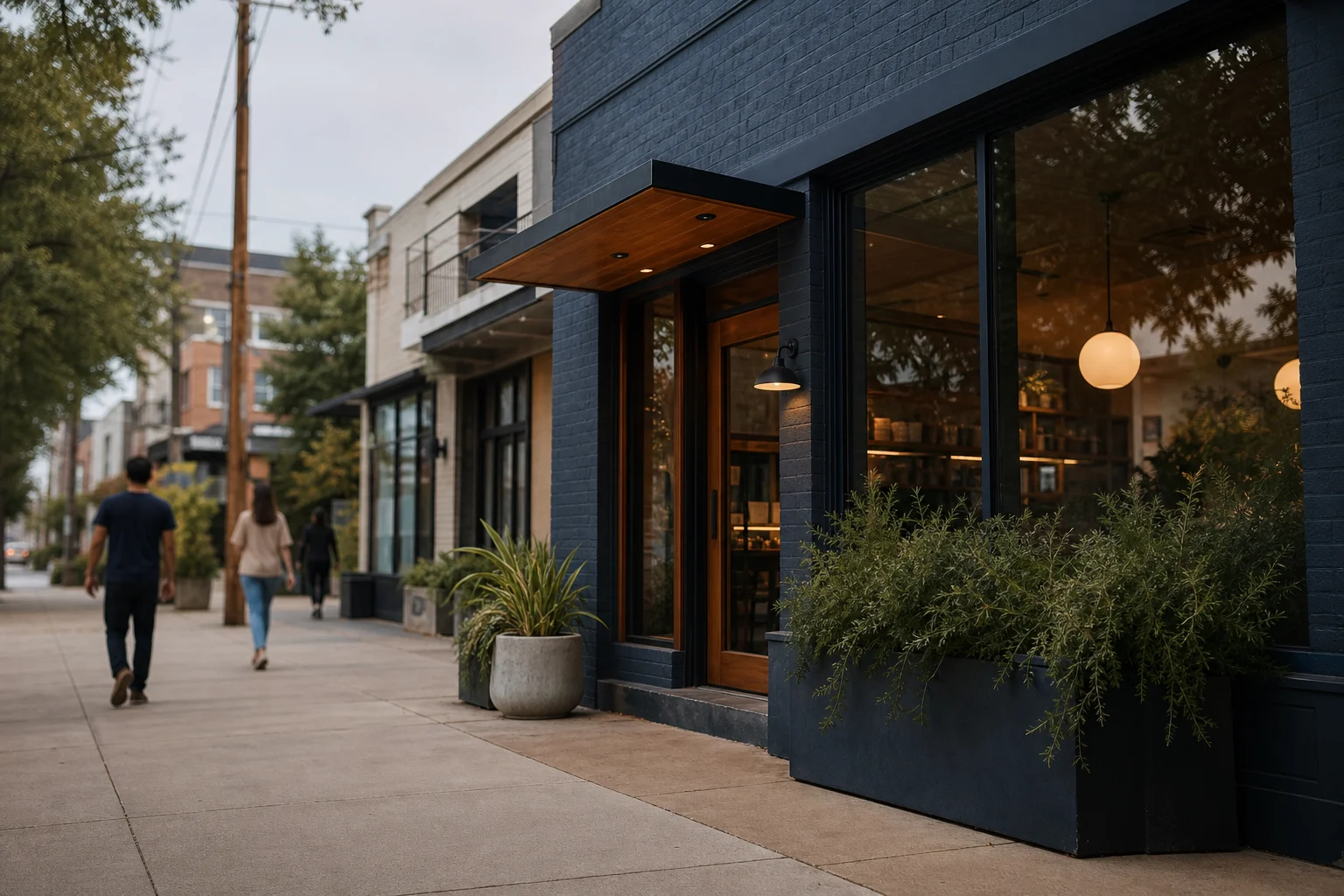
The permit stack to verify
Before signing any lease or making significant investments, founders must verify all required permits and licenses. The boba shop permits Atlanta requires fall into several categories. Each category has specific requirements that vary based on your shop's location, size, and operational model. Missing even one required permit can lead to costly delays or forced closures.
City, state, landlord, health, fire, signage, and tax registrations
City-level permits form the foundation of your compliance framework. These typically include basic business operating licenses specific to Atlanta's requirements. The city may have additional regulations for food service establishments that apply to boba shops. Verify all city requirements before finalizing your location.
State-level requirements include business registration and tax collection authorization. Georgia requires most businesses to register with the Secretary of State's office. You'll also need to register for state sales tax collection if you'll be selling products directly to customers. These state-level registrations apply regardless of your specific location within Atlanta.
Landlord requirements often include additional permits beyond city and state mandates. Your lease agreement may specify certain approvals needed before opening. Some commercial landlords require additional insurance coverage or specific operational approvals. Review your lease carefully to identify these requirements before signing.
Health permits are critical for any food service business. Boba shops require health department approval for food handling, storage, and preparation. The health inspection process typically covers equipment, sanitation, and food safety protocols. Ensure your facility meets all health standards before opening to customers.
Fire safety permits ensure your shop meets safety codes for emergency situations. These requirements cover fire extinguishers, emergency exits, and potentially specialized equipment. Fire departments conduct inspections to verify compliance with safety regulations. Proper fire safety measures protect both your customers and your business.
Signage permits regulate the size, placement, and illumination of business signs. Atlanta has specific rules for commercial signage that affect how you can advertise your boba shop. These regulations may limit visibility options for your storefront. Understanding signage requirements helps plan your marketing approach.
Tax registrations include both federal and state requirements. Beyond state sales tax, you may need federal employer identification if hiring staff. Some businesses also require specific industry tax registrations. Consult with a tax professional to identify all applicable tax obligations for your boba shop.
Documents to collect before lease signing
Before committing to a commercial space, collect all necessary documentation to verify compliance requirements. The landlord should provide information about previous permits and inspections for the space. This documentation helps identify potential compliance issues before signing.
Review the property's history with local authorities to identify any outstanding compliance issues. Previous violations or failed inspections may indicate ongoing problems. These issues could delay your opening or require costly modifications to the space.
Verify that the space meets zoning requirements for a food service business. Atlanta's zoning regulations may restrict certain types of food operations in specific areas. Confirming zoning compliance prevents legal issues after you've invested in the space.
What varies by boba shop format
Different boba shop formats require different permits and licenses. A full-service shop with kitchen facilities faces more complex requirements than a simple counter service model. The complexity of your operations directly impacts the number of permits needed.
Mobile boba shops require different permits than brick-and-mortar locations. Atlanta has specific regulations for mobile food vendors that differ from stationary businesses. Mobile operations may need additional permits for parking, waste disposal, and temporary setups.
Franchise boba shops often come with their own compliance requirements. If operating under a franchise brand, you'll need to meet both corporate and local regulations. Franchise agreements typically specify additional compliance measures beyond standard requirements.
FAQ
What permits do I need for A Boba Shop in Atlanta?
The specific permits required for a boba shop in Atlanta depend on your business model and location. Generally, you'll need city business licenses, state tax registrations, health permits for food service, fire safety approvals, and signage permits. Additional requirements may apply based on your specific operations and location within Atlanta.
How long does it take to get all the necessary permits?
Processing times for permits vary based on the type of permit and current workloads. Some permits may be approved quickly, while others could take several weeks or months. Starting the application process early helps prevent delays in your opening timeline.
Can I apply for permits before finding a location?
Some permits, like state business registration and tax IDs, can be obtained before securing a physical location. However, location-specific permits like health and fire approvals require a physical space to inspect. It's best to complete general registrations first, then address location-specific requirements once you've secured your space.
What happens if I open without all the required permits?
Operating without proper permits can result in fines, forced closures, and legal consequences. Authorities may require you to cease operations until all permits are obtained. The costs associated with retroactive compliance often exceed the initial investment in proper permitting.
Do I need different permits if I plan to sell alcohol?
Adding alcohol to your boba shop menu requires additional permits beyond standard food service licenses. Atlanta has specific regulations for establishments serving alcoholic beverages. These requirements typically involve separate applications and additional inspections.
How often do permits need to be renewed?
Permit renewal periods vary by type and jurisdiction. Some permits require annual renewal, while others may be valid for multiple years. Keep track of renewal dates to avoid lapses in compliance that could affect your operations.
Last reviewed: 2026-05-08
Sources: U.S. Census Bureau ACS, LEHD LODES, Google Places, OpenStreetMap, Locavisor neighborhood scoring.
Methodology: Locavisor scores neighborhoods across demand, competition fit, rent fit, accessibility, and customer match. Scores reflect a snapshot of recent data and should be combined with on-the-ground research before lease decisions.
Disclaimer: This article provides informational content only and does not constitute legal, financial, accounting, or real-estate advice. Verify lease terms, licensing, local regulations, costs, and professional requirements with qualified local professionals before making business decisions.
Free preview shows top 3 neighborhoods. Full $9.99 report covers all 10 areas with personalized scoring + 90-day check-ins.
Informational only. Verify lease, licensing, local regulations, costs, and professional requirements with qualified local professionals.