Austin, TX · boba shop
Boba shop permits Austin
For small business founders looking to open a boba shop in Austin, navigating the permit and license requirements can be complex. The city's unique regulations, combined with state requirements and landlord considerations, create a comprehensive compliance landscape that requires careful attention. This guide provides a clear checklist of the essential permits and licenses needed to operate a boba shop in Austin's competitive market.
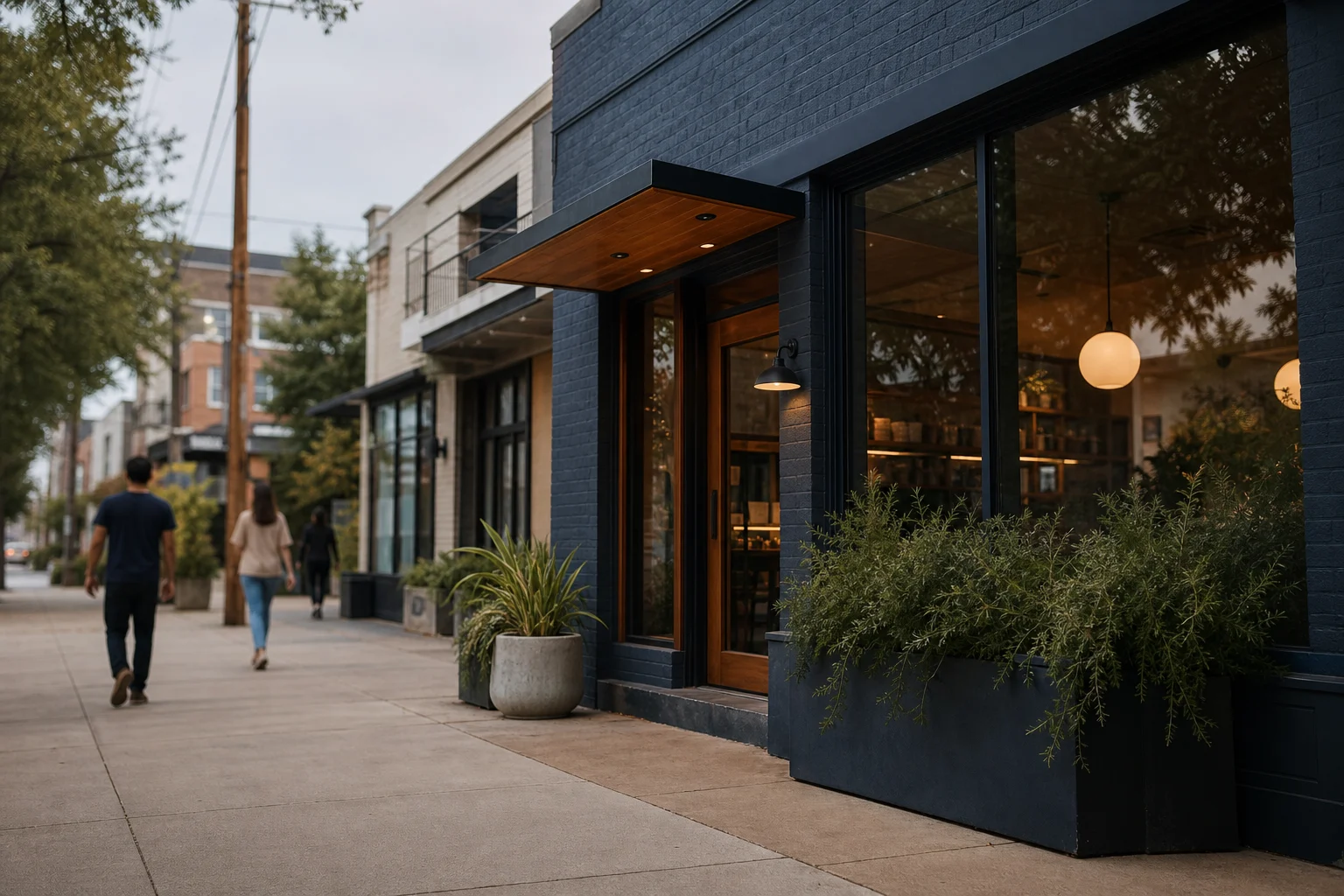
The permit stack to verify
Opening a boba shop in Austin requires a layered approach to compliance. Founders must secure permits and licenses from multiple sources before serving customers. The permit stack includes city business registrations, state health department approvals, landlord requirements, health department inspections, fire safety certifications, signage permits, tax registrations, and professional reviews. Each category serves a specific purpose in ensuring your boba shop operates legally and safely in Austin's dynamic food service environment.
City, state, landlord, health, fire, signage, and tax registrations
City-level permits form the foundation of your boba shop's legal operation. Austin requires all food service businesses to obtain a basic business license from the city. This registration confirms your business structure and location are compliant with municipal zoning laws. The city may also require additional permits based on your specific boba shop format and operating hours.
State-level requirements focus on health and safety standards. The Texas Department of State Health Services oversees food service establishments, including boba shops. State regulations cover food handling, equipment sanitation, and employee health certifications. These requirements ensure your boba shop meets statewide food safety standards that protect public health.
Landlord requirements often include additional permits beyond city and state regulations. Property owners may require specific approvals for modifications to the space, equipment installation, or changes to the building's exterior. These landlord-specific permits ensure your boba shop operations don't damage the property or violate lease terms.
Health department inspections verify that your boba shop maintains proper sanitation and food handling procedures. Austin-Travis County Health and Human Services conducts regular inspections to ensure compliance with food safety codes. These inspections cover everything from water temperature to storage practices, with particular attention to the unique aspects of boba preparation.
Fire safety certifications ensure your boba shop meets Austin's fire prevention standards. The Austin Fire Department requires specific equipment and safety measures, including proper fire extinguisher placement, emergency exits, and electrical system compliance. These certifications protect both your customers and your business from fire hazards.
Signage permits regulate the visual impact of your boba shop on Austin's streetscape. The city has specific requirements for sign size, placement, and illumination. These regulations balance your business's need for visibility with the city's aesthetic and safety considerations.
Tax registrations include both state and federal requirements. The Texas Comptroller's office requires sales tax permits for all businesses selling goods or services. Additionally, the IRS requires an Employer Identification Number (EIN) for tax purposes. These registrations ensure your boba shop meets its tax obligations to local, state, and federal authorities.
Documents to collect before lease signing
Before signing a lease for your boba shop location, gather all necessary documentation to verify compliance requirements. Research the specific zoning regulations for your chosen area to confirm food service operations are permitted. Obtain copies of any existing permits for the space that may transfer to a new tenant.
Review the property's health inspection history to identify any recurring issues that might affect your boba shop operations. Check the building's fire safety certifications to ensure they meet current standards. Verify that the electrical and plumbing systems can support your boba shop's equipment requirements without significant modifications.
Document any signage restrictions or opportunities in the area. Research the local sales tax rates and requirements specific to your location. Collect information about any neighborhood associations or additional regulations that might impact your boba shop's operations. This documentation forms the foundation of your compliance strategy before committing to a lease.
What varies by boba shop format
The specific permits and licenses required for your boba shop may vary based on your business format. A standalone boba shop with kitchen facilities requires more comprehensive health and fire certifications than a kiosk or cart operation. Mobile boba shops need additional permits for vehicle equipment and mobile food service regulations.
Your operating hours also impact your permit requirements. Late-night operations may require additional security measures and extended hours permits. If your boba shop plans to serve alcohol alongside boba beverages, you'll need separate liquor licenses and additional compliance requirements.
The scale of your operation affects the complexity of your permit stack. Large boba shops with multiple employees require more extensive labor law compliance and worker's insurance. Franchise boba shops must navigate additional brand-specific requirements alongside standard permits and licenses.
FAQ
What permits do I need for a boba shop in Austin?
A boba shop in Austin requires multiple permits and licenses across different categories. You'll need a city business license, state health department permits, landlord approvals, health department inspections, fire safety certifications, signage permits, and tax registrations. The specific requirements may vary based on your boba shop format, location, and operating hours.
How do I choose the best location for my boba shop in Austin?
Based on Locavisor neighborhood scoring, Hyde Park ranks as the best area for boba shops in Austin with a score of 6.3/10. UT Campus / West Campus follows with 5.9/10, and North Loop ranks third at 5.8/10. Consider factors like student density, walkability, rent levels, and competition when choosing your location.
What are the rent levels in Austin's top boba shop areas?
Rent levels vary across Austin's top boba shop areas. In Hyde Park and North Loop, rent runs roughly $45-70/sqft NNN. UT Campus / West Campus has premium rent at roughly $65-95/sqft NNN, which may pressure unit economics for medium-budget operators.
How competitive is the boba shop market in Austin?
The market temperature for boba shops in Austin is mixed, with medium competition density. Existing competitors include Gong cha @ UT Campus (4.2★, 250 reviews) on the Drag at 774m and Happy Lemon (4.8★, 248 reviews) 1.5km away at Highland. Consider these competitors when positioning your boba shop in the market.
What should I consider before signing a lease for my boba shop?
Before signing a lease, verify zoning regulations, health inspection history, fire safety certifications, electrical and plumbing capacity, signage restrictions, local tax requirements, and any neighborhood association regulations. This documentation ensures your boba shop will meet all compliance requirements before committing to a location.
Last reviewed: 2026-05-07
Sources: U.S. Census Bureau ACS, LEHD LODES, Google Places, OpenStreetMap, Locavisor neighborhood scoring.
Methodology: Locavisor scores neighborhoods across demand, competition fit, rent fit, accessibility, and customer match. Scores reflect a snapshot of recent data and should be combined with on-the-ground research before lease decisions.
Disclaimer: This article provides informational content only and does not constitute legal, financial, accounting, or real-estate advice. Verify lease terms, licensing, local regulations, costs, and professional requirements with qualified local professionals before making business decisions.
Free preview shows top 3 neighborhoods. Full $9.99 report covers all 10 areas with personalized scoring + 90-day check-ins.
Informational only. Verify lease, licensing, local regulations, costs, and professional requirements with qualified local professionals.