Chicago, IL · boba shop
Boba shop permits Chicago
Opening a boba shop in Chicago requires navigating a specific set of permits and licenses that differ from other food businesses. The city's regulatory environment demands careful planning before you even sign a lease or purchase equipment. This guide breaks down the essential permits, where to find them, and how to avoid common pitfalls when launching your bubble tea business in the Windy City.
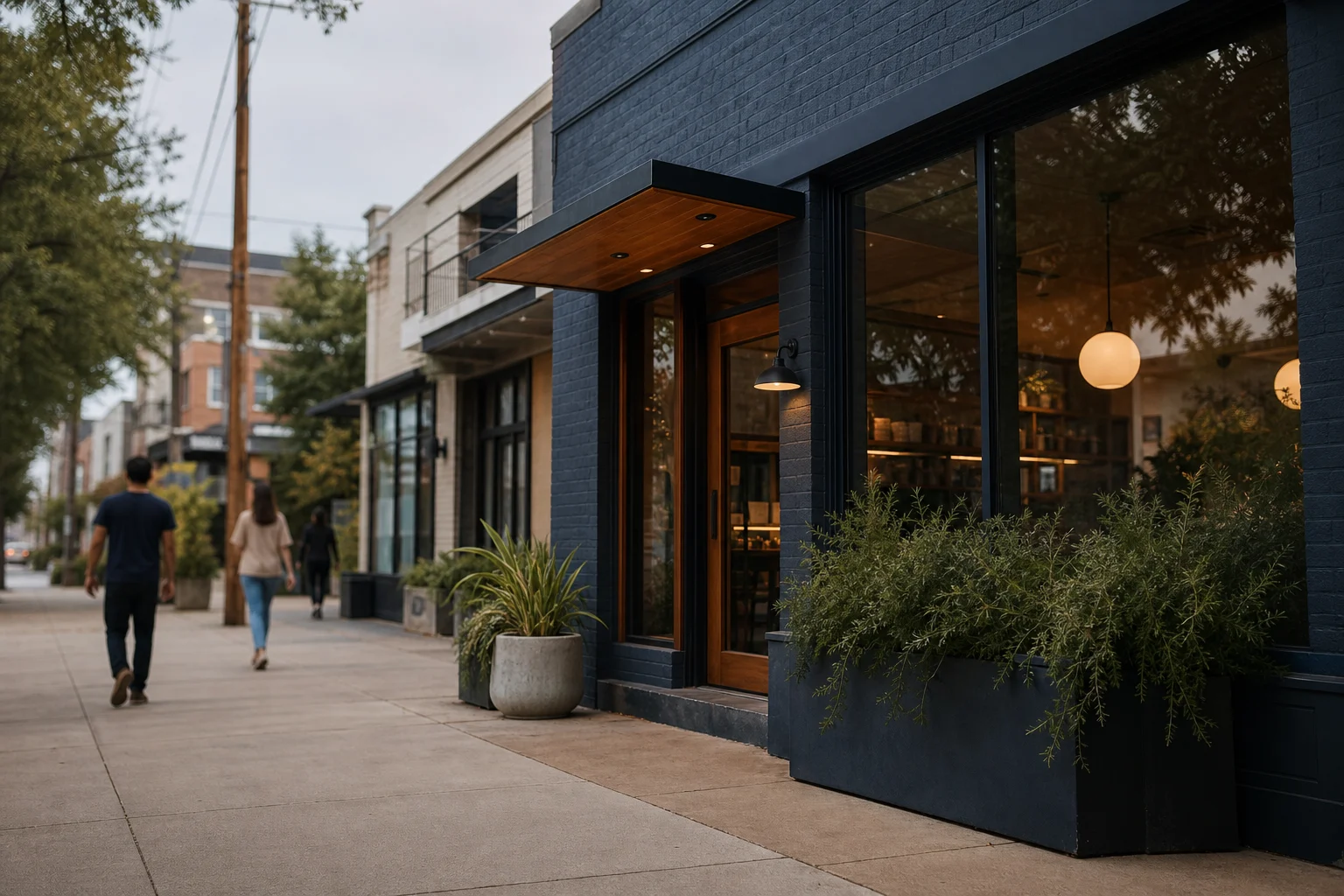
Why permits matter before you sign a lease
Securing the right permits isn't just a bureaucratic formality-it's a critical step that can make or break your boba shop launch. Many aspiring entrepreneurs make the mistake of signing a lease before verifying whether their chosen location can legally host a food establishment. In Chicago, certain zoning restrictions, health department requirements, and building code limitations can prevent you from obtaining necessary permits even after you've invested in a space.
The city's Department of Business Affairs and Consumer Protection (BACP) handles business licensing, while the Department of Public Health oversees food service operations. These agencies work together but have separate approval processes. Understanding their requirements upfront saves time, money, and potential heartache later in your business journey.
Chicago's neighborhoods vary significantly in their commercial zoning and permit requirements. For example, the rent band in Hyde Park ranges from $22-$80/sqft/yr NNN, while Chinatown shares the same rent band but may have different zoning considerations for food establishments. Before committing to a location, research whether the space is zoned for food service and whether previous tenants had issues with permits.
Required permits and licenses for a boba shop in Chicago
What permits do I need to open a boba shop in Chicago? The answer depends on your specific location and business model, but most boba shops require several core permits:
Business License: Issued by the City of Chicago's Department of Business Affairs and Consumer Protection. This is your basic operating permit and is required for all businesses within city limits.
Food Service Sanitation Certificate: Administered by the Chicago Department of Public Health. This certification ensures your shop meets health and safety standards for food preparation and service.
Sign Permit: Required for any exterior signage, including your shop's name, logo, and operating hours. Chicago has specific size and placement restrictions.
Sales Tax Account: Register with the Illinois Department of Revenue to collect and remit sales tax on your bubble tea and food items.
Federal Employer Identification Number (EIN): Required if you plan to hire employees, even a single part-time worker.
Zoning Compliance: Verify your location is zoned for commercial food service. Some areas may require additional approvals or have restrictions on late-night operations.
Existing boba shops in Chicago demonstrate how these permits work in practice. TE'AMO Boba & Dessert operates successfully in Hyde Park with a 4.2-star rating, while Uni Uni Boba maintains a 4.7-star rating in the same neighborhood. These businesses likely navigated the same permit process you'll face, proving that with proper preparation, obtaining necessary approvals is achievable.
Realistic timeline from application to opening
The permit approval process in Chicago typically takes a variable local timeline, but this can vary significantly based on your location and the completeness of your application. The Department of Public Health may require inspections of your planned kitchen setup, while the BACP focuses on business licensing and zoning compliance.
Start your permit application at least a variable local timeline before your planned opening date. This buffer accounts for potential delays, additional documentation requests, and the time needed to make any required physical modifications to your space. Many successful boba shop owners, like those behind Sensei's Boba Tea in Hyde Park, built this timeline into their business planning from day one.
The inspection process is particularly important for food establishments. Health inspectors will examine your plumbing, electrical systems, food storage areas, and preparation surfaces. Any deficiencies must be corrected before you can receive your Food Service Sanitation Certificate. Kung Fu Tea, with its 4.4-star rating and 1,259 reviews, likely passed these inspections to establish their presence in the Chicago market.
Common reasons applications get rejected in Chicago
Understanding why permit applications get rejected can help you avoid these pitfalls. The most common issues include:
- Incomplete applications: Missing signatures, fees, or required documentation
- Zoning violations: The property isn't zoned for food service or has restrictions
- Health code violations: Issues with plumbing, electrical, or food preparation areas
- Signage non-compliance: Signs that exceed size limits or aren't properly permitted
- Missing certifications: Failure to provide required food handler or manager certifications
Customer reviews sometimes hint at operational challenges that relate to permit compliance. For example, one review mentioned "wait times longer than expected; short-staffing reported; service delays during peak/delivery periods" which could indicate staffing challenges that permit processes don't address but operational planning should consider.
Another common issue is inconsistent portion sizes and ingredient quality, which while not directly a permit problem, can affect your business's reputation and sustainability. Proper training and standardized procedures, established during your permit preparation phase, can help maintain consistency.
How to budget for permits and inspections
Permit costs in Chicago vary based on your business type and location. While exact fees aren't always predictable, budgeting for these expenses is essential. The rent band in Devon Ave/West Ridge ranges from $22-$80/sqft/yr NNN, which gives you an idea of the commercial real estate costs in areas where boba shops like Taichi Bubble Tea operate.
Factor in these potential costs:
- Food service sanitation application and inspection fees
- Sign permit costs (based on sign size and type)
- Potential costs for required building modifications
- Professional fees if you hire help with the process
Successful boba shops like Daboba (4.4 stars, 200 reviews) and Fruitful Delight Smoothie (4.4 stars, 75 reviews) likely budgeted for these expenses when planning their launches. The rent band in Rogers Park, where Taichi Bubble Tea operates, is identical to other top neighborhoods at $22-$80/sqft/yr NNN, showing consistency in commercial real estate costs across viable boba shop locations.
Quick reference - which neighborhoods minimize permit friction
Chicago's neighborhoods offer different advantages for boba shop operators. Based on Locavisor scoring, these top 5 neighborhoods provide the best combination of customer base, competition, and commercial viability:
| Neighborhood | Locavisor Score | Rent Band | Key Advantages |
|---|---|---|---|
| Hyde Park | 6.4/10 | $22-$80/sqft/yr NNN | University presence, established food scene |
| Chinatown | 6.3/10 | $22-$80/sqft/yr NNN | High foot traffic, cultural alignment |
| Devon Ave/West Ridge | 6.1/10 | $22-$80/sqft/yr NNN | Diverse customer base, less saturated |
| Rogers Park | 6.1/10 | $22-$80/sqft/yr NNN | Student population, growing food scene |
| Edgewater | 6.0/10 | $22-$80/sqft/yr NNN | Affluent demographics, established retail |
Hyde Park stands out with its 6.4/10 score and strong anchors like the University of Chicago and multiple transit options. Existing businesses like TE'AMO Boba & Dessert and Uni Uni Boba demonstrate market viability. Chinatown, with its 6.3/10 score, offers cultural relevance and high foot traffic, though competition may be more intense.
Devon Ave/West Ridge and Rogers Park, both scoring 6.1/10, present opportunities with slightly less saturation. Taichi Bubble Tea's presence in Rogers Park shows that success is possible in these areas. Edgewater, with a 6.0/10 score, offers an affluent customer base and established retail environment.
FAQ
Q: How long does it take to get a food service sanitation certificate in Chicago?
A: The Chicago Department of Public Health typically processes food service sanitation applications within a variable local timeline, but this can vary based on application completeness and the need for follow-up inspections. Start the process at least 60 days before your planned opening to account for any delays or required modifications.
Q: Do I need a special permit for outdoor seating at my boba shop?
A: Yes, outdoor seating in Chicago requires additional permits from both the Department of Business Affairs and Consumer Protection and potentially the Department of Public Health. You'll need to ensure your seating area complies with sidewalk regulations, accessibility requirements, and health codes for outdoor food service.
Q: Can I operate a boba shop from a food truck in Chicago?
A: Yes, but food trucks have different permit requirements than brick-and-mortar locations. You'll need a mobile food vendor license from the City of Chicago and must comply with specific zoning and parking regulations. Health department requirements for food preparation and storage are equally stringent for mobile operations.
Last reviewed: 2026-05-30
Sources: U.S. Census Bureau ACS, LEHD LODES, Google Places, OpenStreetMap, Locavisor neighborhood scoring.
Methodology: Locavisor scores neighborhoods across demand, competition fit, rent fit, accessibility, and customer match. Scores reflect a snapshot of recent data and should be combined with on-the-ground research before lease decisions.
Disclaimer: This article provides informational content only and does not constitute legal, financial, accounting, or real-estate advice. Verify lease terms, licensing, local regulations, costs, and professional requirements with qualified local professionals before making business decisions.
Free preview shows top 3 neighborhoods. Full $9.99 report covers all 10 areas with personalized scoring + 90-day check-ins.
Informational only. Verify lease, licensing, local regulations, costs, and professional requirements with qualified local professionals.