Dallas, TX · boba shop
Boba shop permits Dallas
Opening a boba shop in Dallas requires navigating a complex web of permits and licenses. The boba shop permits Dallas process involves multiple layers of compliance from city, state, and local authorities. Before you can serve your first tapioca pearl, you'll need to verify requirements across several categories.
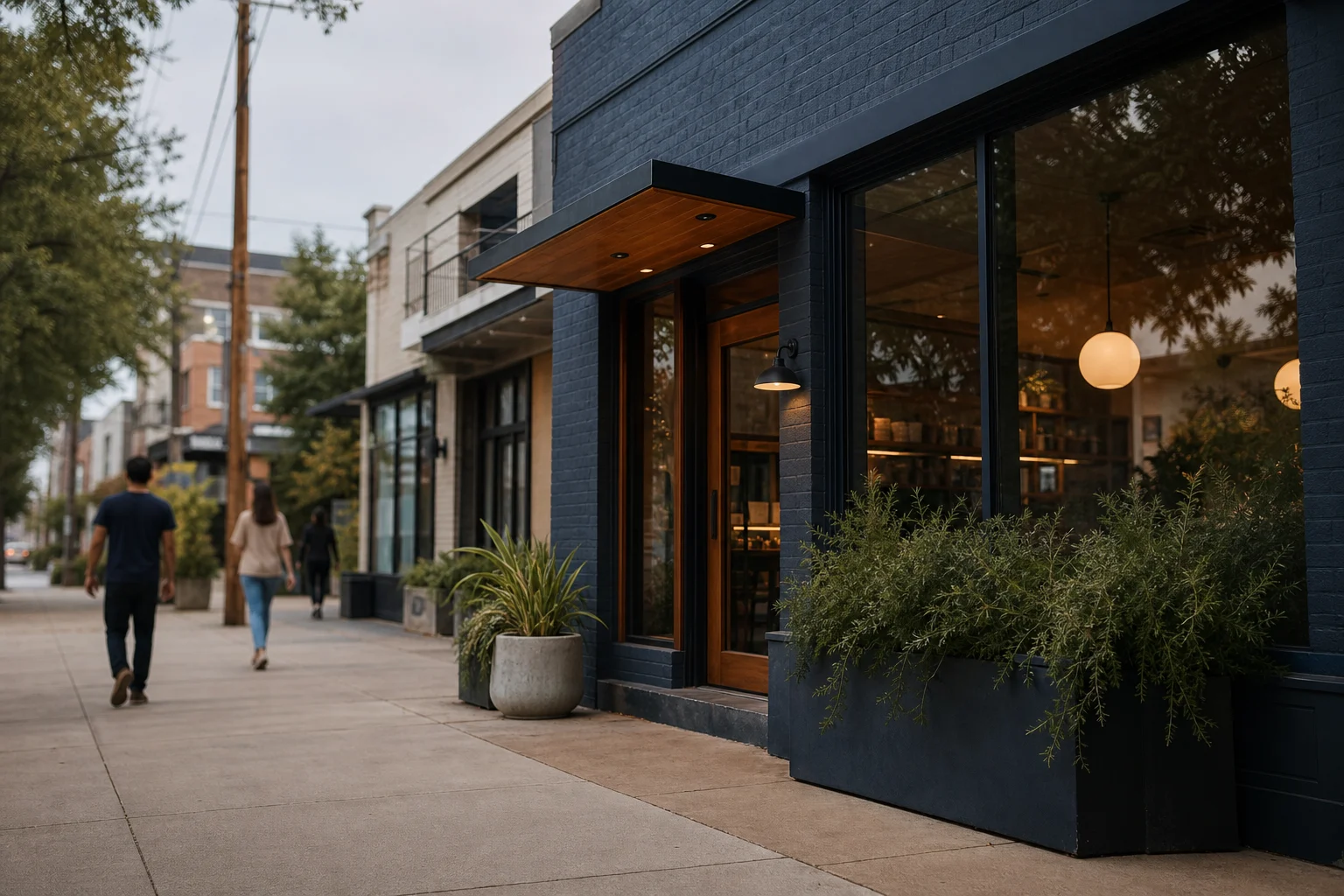
The permit stack to verify
The boba shop permits Dallas landscape requires founders to verify multiple compliance categories simultaneously. Each category has specific documentation and approval processes that must be completed before opening day. Missing even one element can delay your launch or result in costly penalties.
City, state, landlord, health, fire, signage, and tax registrations
Dallas requires city business registration for all commercial food establishments. The city's health department oversees food service permits with specific requirements for beverage preparation. State-level registration includes sales tax permits and food handler certifications. Your landlord may require additional documentation beyond city requirements. Fire safety inspections verify compliance with occupancy limits and emergency exits. Signage permits regulate where and how you can display your business name. Tax registration includes both state sales tax and local business taxes.
City business registration establishes your legal right to operate in Dallas. The health department permit focuses on food safety protocols specific to beverage preparation. State requirements include food handler certifications for all employees preparing drinks. Your landlord may require proof of general liability insurance before signing a lease. Fire safety inspections verify your space meets occupancy limits and has proper emergency exits. Signage permits regulate the size, placement, and illumination of your business signage. Tax registration covers both state sales tax collection and local business tax obligations.
Documents to collect before lease signing
Before signing a commercial lease, collect all necessary documentation to verify compliance requirements. The best area for your boba shop is Addison with an overall score of 6.5/10. Addison's Belt Line Rd corridor is a proven restaurant row with strong office density and walkable pockets around Addison Circle. The area draws a solid weekday lunch crowd from nearby corporate offices and coworking spaces. Rent is moderate for the metro — roughly $30-50/sqft NNN — making it accessible for a medium-budget boba concept.
Las Colinas (Irving) ranks second with a score of 6.1/10. Las Colinas is a master-planned corporate hub anchored by ExxonMobil and Verizon offices, with strong daytime worker density around Lake Carolyn. The walkable core near Las Colinas Village has solid foot traffic and a growing residential base. Rent runs roughly $30-50/sqft NNN — workable for medium budget. The catch: boba-specific demand is unproven here.
Trinity Groves rounds out the top three with a score of 6.0/10. Trinity Groves is a post-2010 restaurant-incubator district just across the Margaret Hunt Hill Bridge from downtown Dallas. It's walkable, draws tourist and event traffic, and has strong evening energy from the bar and restaurant cluster. Rent is moderate — roughly $30-50/sqft NNN.
Market temperature in Dallas is mixed, with medium competition density and low rent levels. The score confidence for this data is 72%, based on a 2026-05 snapshot.
What varies by boba shop format
Your boba shop format significantly impacts permit requirements. A small kiosk operation has different compliance needs than a full-service café with seating. Mobile boba carts face additional licensing challenges compared to brick-and-mortar locations. Takeout-only shops may have different health department requirements than establishments with dine-in service.
The size of your operation affects fire safety classifications and occupancy limits. Seating capacity determines the complexity of health department inspections. Mobile vendors need special permits for public space operation and may face additional restrictions on parking locations. Your business model influences which tax registrations apply and how sales tax must be collected.
FAQ
What permits do I need for A Boba Shop in Dallas?
You'll need city business registration, health department permits for food service, state sales tax permits, and potentially additional documentation from your landlord. Fire safety inspections and signage permits are also typically required. The specific requirements depend on your shop's size, whether you offer seating, and your location within Dallas.
How long does the permit process take in Dallas?
Processing times vary depending on the type of permit and current application volumes. City business registration may take several days to a week, while health department permits can take several weeks. Fire safety inspections are scheduled after your space is set up and may require follow-up inspections if issues are found.
Can I apply for permits before finding a location?
Some permits, like state sales tax registration and basic business licenses, can be obtained before securing a physical location. However, location-specific permits like health department approvals and fire safety inspections require a physical space to inspect.
Do I need different permits for outdoor seating?
Yes, outdoor seating typically requires additional permits. You'll need sidewalk café permits if seating extends onto public property, and your landlord may require separate approval for using outdoor space. Health department regulations also apply to outdoor food service areas.
How much should I budget for permits and licenses?
Permit and licensing costs vary based on your business size and location. Budget for application fees, inspection fees, and potential professional consultation costs. The city of Dallas publishes fee schedules online, but costs can change, so verify current rates before applying.
Last reviewed: 2026-05-08
Sources: U.S. Census Bureau ACS, LEHD LODES, Google Places, OpenStreetMap, Locavisor neighborhood scoring.
Methodology: Locavisor scores neighborhoods across demand, competition fit, rent fit, accessibility, and customer match. Scores reflect a snapshot of recent data and should be combined with on-the-ground research before lease decisions.
Disclaimer: This article provides informational content only and does not constitute legal, financial, accounting, or real-estate advice. Verify lease terms, licensing, local regulations, costs, and professional requirements with qualified local professionals before making business decisions.
Free preview shows top 3 neighborhoods. Full $9.99 report covers all 10 areas with personalized scoring + 90-day check-ins.
Informational only. Verify lease, licensing, local regulations, costs, and professional requirements with qualified local professionals.