Denver, CO · boba shop
Boba shop permits Denver
Opening a boba shop in Denver requires navigating a complex landscape of permits and licenses. Understanding the boba shop permits Denver requires is critical for a smooth launch. The city's mixed market temperature and medium competition density present both challenges and opportunities for new boba entrepreneurs. With rent levels classified as low, Denver offers an accessible entry point for boba shop founders who properly prepare their compliance requirements.
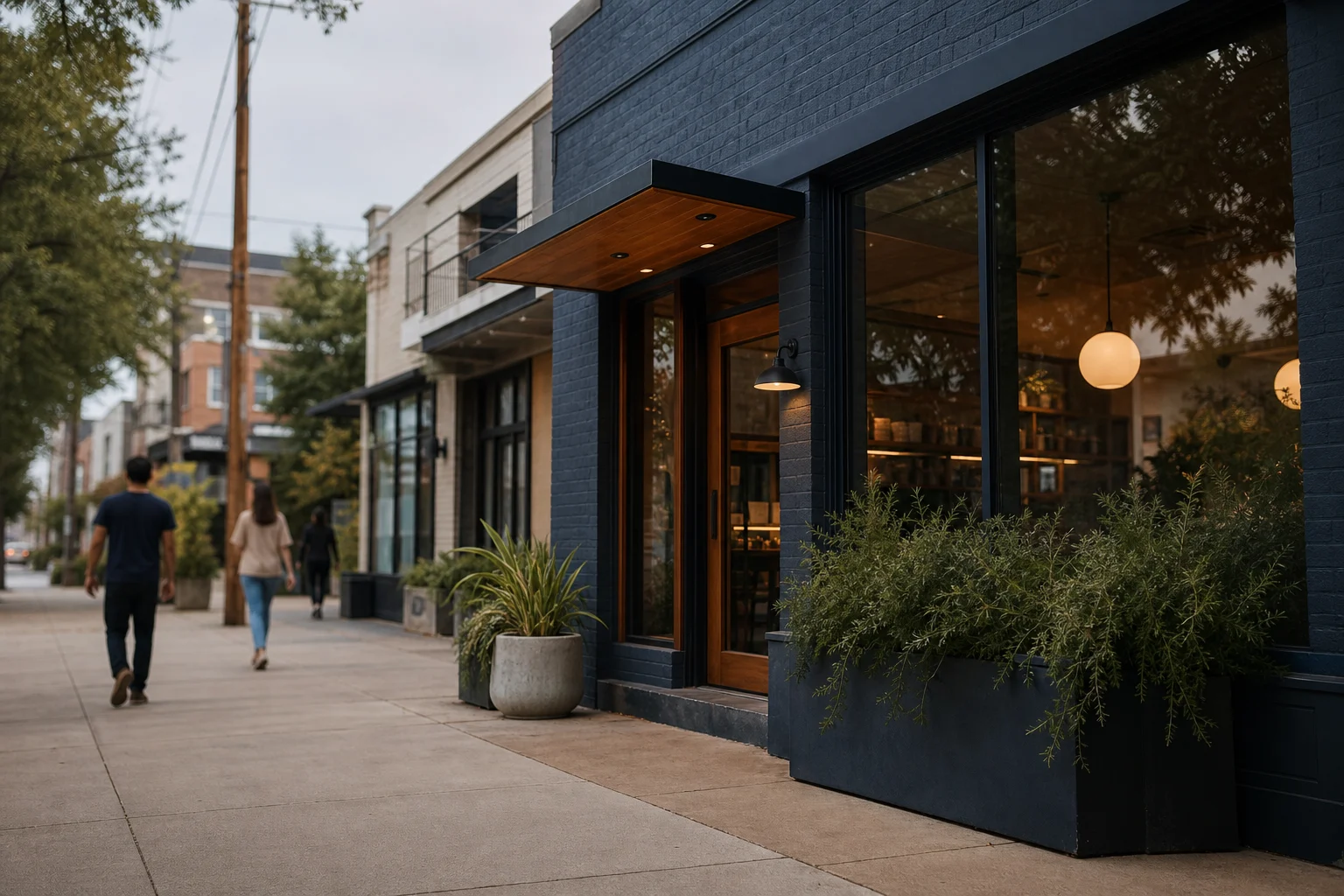
The permit stack to verify
Before signing any lease or investing in equipment, founders must verify their complete permit stack. Denver's regulatory environment for food service businesses requires multiple layers of approval. Each category has specific requirements that must be addressed before opening day. Missing even one permit can delay your launch or result in costly fines.
The permit stack includes city, state, landlord, health, fire, signage, and tax registrations. Each category operates independently but must be coordinated for a complete compliance picture. Founders should create a checklist tracking each permit's status and requirements. This systematic approach prevents overlooking critical compliance elements that could jeopardize your boba shop's opening.
City, state, landlord, health, fire, signage, and tax registrations
City permits form the foundation of your compliance requirements. These typically include basic business registration and zoning verification. Denver's zoning regulations may restrict certain food service operations in specific areas. Founders must confirm their chosen location is properly zoned for a boba shop operation before proceeding.
State requirements extend beyond city regulations to include broader business operations. These typically include state tax registration and employer identification if hiring staff. Colorado's specific regulations for food service businesses must be followed at the state level alongside local requirements.
Landlord approvals are often overlooked but equally critical. Most commercial leases require landlord approval for business operations beyond basic tenancy. This approval may involve additional documentation or compliance requirements specific to the property. Founders should clarify these requirements before signing any lease agreement.
Health permits are among the most critical for food service businesses. These ensure your boba shop meets food safety standards for preparation, storage, and service. Denver's health department will inspect your facility before granting approval. The inspection typically covers equipment, sanitation procedures, and staff hygiene practices.
Fire safety requirements address both prevention and emergency response. These may include specific equipment installations, emergency exit configurations, and fire suppression systems. Denver's fire department will verify compliance before granting approval. Requirements vary based on your shop's size and layout.
Signage regulations control the visual impact of your business on the surrounding area. Denver has specific rules about sign size, placement, and illumination. These regulations aim to balance business visibility with neighborhood aesthetics. Compliance prevents the need for costly signage modifications after opening.
Tax registrations include both sales tax and employer tax obligations. Colorado requires businesses collecting sales tax to register with the state. Employer taxes apply if hiring staff, even part-time. Founders should understand their tax obligations before opening to ensure ongoing compliance.
Documents to collect before lease signing
Before committing to a commercial space, founders should gather critical documentation to verify compliance feasibility. This due diligence prevents costly surprises after lease signing. The following documents should be collected and reviewed:
- Zoning verification confirming the property allows food service operations
- Building code compliance documentation for existing food service facilities
- Health department inspection reports for previous food service tenants
- Fire safety compliance documentation
- Signage regulations for the specific property and neighborhood
- Property tax information for budgeting purposes
- Landlord approval requirements for business operations
These documents provide a clear picture of what modifications or additional compliance measures may be needed. Founders should budget both time and resources for addressing any deficiencies identified during this review process. The goal is to enter lease negotiations with full knowledge of all compliance requirements.
What varies by boba shop format
The specific permits required may vary based on your boba shop's format and business model. Different operational approaches trigger different regulatory requirements. Understanding these variations helps founders plan their compliance strategy.
A traditional boba shop with extensive food preparation faces more complex health and fire requirements than a simpler model. Shops making boba tea from scratch require more extensive health department approvals than those using pre-mixed ingredients. The complexity of your menu directly impacts your compliance burden.
Mobile boba shops require different permits than fixed locations. These typically involve additional mobile vendor permits and potentially different health requirements. Mobile operations may face additional restrictions on where and when they can operate.
Shops with seating capacity trigger additional requirements beyond basic food service permits. These may include more extensive fire safety measures and accessibility compliance. The number of seats determines the scale of these additional requirements.
Franchise boba shops must comply with both standard requirements and additional brand-specific regulations. These may include operational standards that exceed local minimum requirements. Franchisees should understand both sets of requirements before opening.
FAQ
What permits do I need for A Boba Shop in Denver?
You'll need a complete stack of permits including city business registration, state tax registration, landlord approval, health department approval, fire safety compliance, signage permits, and tax registrations. The specific requirements depend on your shop's size, menu complexity, and operational model.
How long does the permit process take in Denver?
The timeline varies significantly based on your specific situation and the completeness of your application. Some permits may be approved quickly while others, particularly health department approvals, may require multiple inspections and corrections before approval.
Can I apply for permits before finding a location?
Some permits, like state business registration, can be obtained before securing a location. However, location-specific permits like health and fire approvals require a physical address. Founders should prioritize business registration while searching for suitable locations.
What happens if I open without all required permits?
Operating without required permits can result in fines, forced closure, and difficulty obtaining permits in the future. The severity of penalties depends on which permits are missing and how long you've been operating without them.
Do I need different permits for outdoor seating?
Yes, outdoor seating typically requires additional permits beyond your basic food service license. These may include sidewalk use permits, additional health approvals for outdoor service areas, and potentially different signage regulations.
How often do permits need to be renewed?
Permit renewal requirements vary by type. Some may need annual renewal while others may be valid for multiple years. Founders should maintain a calendar of renewal dates to avoid lapses in compliance.
Can I handle the permit process myself or should I hire professional help?
Simple permits can often be handled by founders with thorough research. However, complex situations or those with multiple locations may benefit from professional assistance. The cost of professional help should be weighed against the potential time savings and reduced risk of errors.
Last reviewed: 2026-05-08
Sources: U.S. Census Bureau ACS, LEHD LODES, Google Places, OpenStreetMap, Locavisor neighborhood scoring.
Methodology: Locavisor scores neighborhoods across demand, competition fit, rent fit, accessibility, and customer match. Scores reflect a snapshot of recent data and should be combined with on-the-ground research before lease decisions.
Disclaimer: This article provides informational content only and does not constitute legal, financial, accounting, or real-estate advice. Verify lease terms, licensing, local regulations, costs, and professional requirements with qualified local professionals before making business decisions.
Free preview shows top 3 neighborhoods. Full $9.99 report covers all 10 areas with personalized scoring + 90-day check-ins.
Informational only. Verify lease, licensing, local regulations, costs, and professional requirements with qualified local professionals.