Jacksonville, FL · boba shop
Boba shop permits Jacksonville
Opening a boba shop in Jacksonville requires navigating a complex web of permits and licenses. Before you can serve your first cup of bubble tea, you'll need to verify compliance with city, state, and federal regulations. This guide breaks down the essential permits and licenses you'll need to secure for your boba shop in Jacksonville.
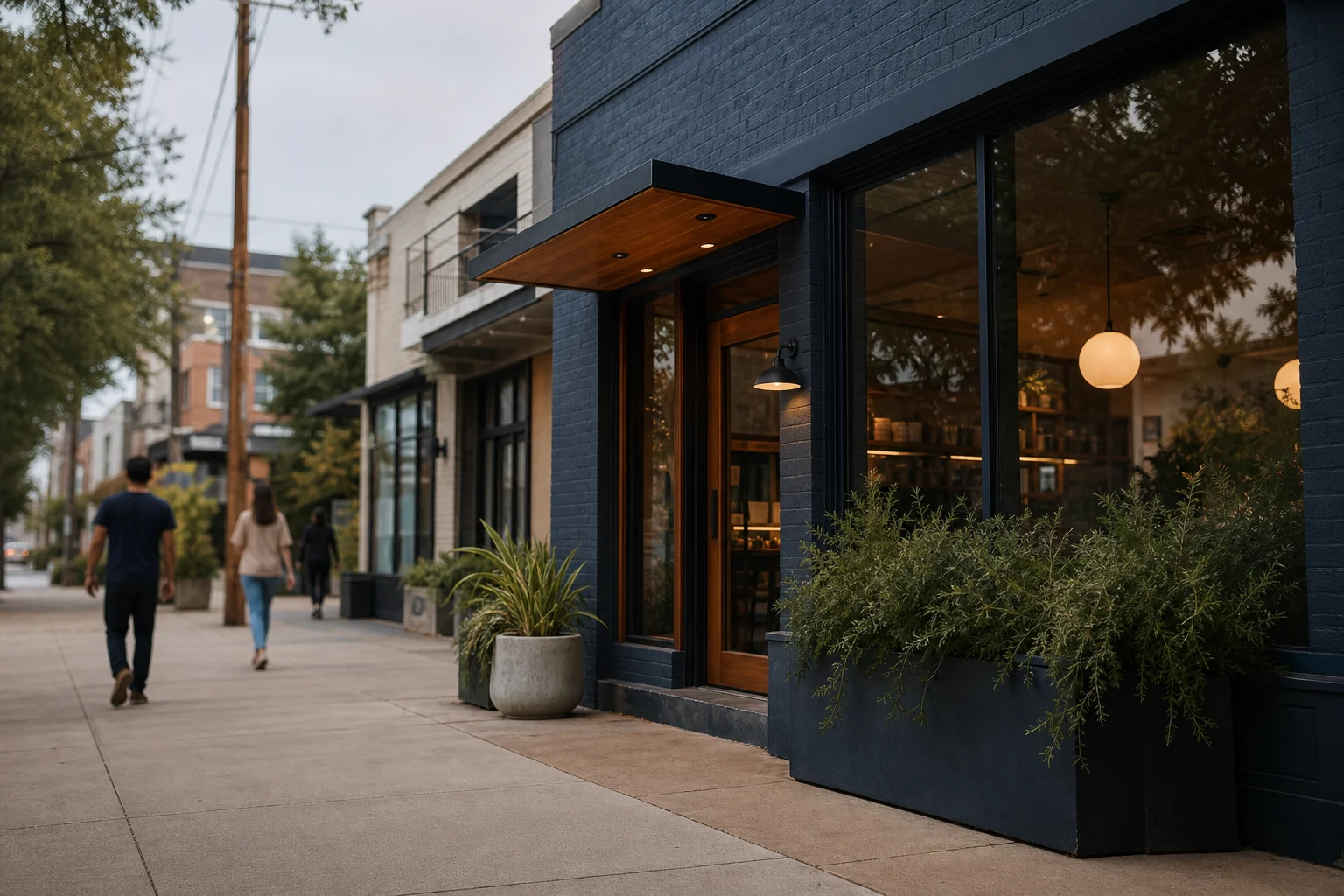
The permit stack to verify
When planning your boba shop in Jacksonville, you'll need to verify several categories of permits and licenses. These requirements vary based on your business structure, location, and specific operations. The city of Jacksonville has established regulations for food service businesses that you must follow to operate legally.
Jacksonville's market for boba shops shows varied opportunities across different neighborhoods. According to Locavisor neighborhood scoring, the top three areas for boba shops in Jacksonville are:
Atlantic Beach / Neptune Beach / Jax Beach (5.5/10) — The Beaches corridor — Atlantic Beach, Neptune Beach, Jax Beach — offers the strongest overall fit for boba in Jacksonville. Walkable pockets around Beaches Town Center, a tourist + young-professional customer mix, and zero direct boba competitors within the area itself. Expect roughly $30-50/sqft NNN.
UNF / Tinseltown (5.1/10) — UNF / Tinseltown scores high on demand and customer match — the University of North Florida student population and St. Johns Town Center adjacent retail create strong afternoon boba traffic potential. Rent is favorable at roughly $20-35/sqft NNN. The catch: Gong Cha (4.2★, 120 reviews) is 3 miles away, and Q-Cup Boba Tea (4.7★, 756 reviews) is 2.2 miles south.
Southside / St Johns Town Center (4.9/10) — St. Johns Town Center is Jacksonville's premium outdoor mall — walkability is near ceiling, retail density is maxed out, and the customer base is affluent. But rent at roughly $20-35/sqft NNN is surprisingly moderate for this corridor.
City, state, landlord, health, fire, signage, and tax registrations
Your boba shop will require multiple registrations across different levels of government. Each category has specific requirements that you must address before opening.
City-level requirements typically include a business tax receipt and zoning compliance verification. Jacksonville's zoning regulations will determine where you can operate a boba shop and any restrictions on your business activities. You'll need to verify that your chosen location is properly zoned for food service operations.
State-level requirements for a boba shop in Jacksonville include a sales tax permit and possibly a food service establishment license. Florida's Department of Business and Professional Regulation oversees food service establishments and sets the baseline requirements for safe food handling and preparation.
Landlord requirements often include proof of insurance and compliance with building codes. Before signing a lease, ensure you understand all landlord-imposed conditions for operating a food service business in the space.
Health department permits are critical for any boba shop. You'll need to demonstrate proper food handling procedures, sanitation practices, and facility design that meets health standards. This typically involves a pre-opening inspection and regular follow-up inspections.
Fire safety compliance is non-negotiable for a boba shop. Your facility must meet Jacksonville's fire codes, which include proper exits, fire suppression systems, and electrical safety measures. A fire marshal inspection will verify compliance before you can open.
Signage regulations in Jacksonville dictate where and how you can place signs advertising your boba shop. Local ordinances may limit sign size, height, and placement to maintain neighborhood aesthetics.
Tax registrations include your federal EIN, state sales tax permit, and any local business taxes. Proper tax compliance ensures you can operate without legal complications.
Documents to collect before lease signing
Before committing to a commercial space for your boba shop, gather essential documentation to verify compliance and avoid future complications.
Verify zoning classification for your intended location. Confirm that the property is zoned for food service operations and that your specific business model is permitted under that classification.
Research building code requirements for food preparation facilities. Jacksonville has specific requirements for commercial kitchens that you must meet before opening your boba shop.
Review health department guidelines for food service establishments. Understanding these requirements early will help you design your space to meet standards from the start.
Check fire safety requirements for your specific square footage and layout. Some facilities may require additional fire suppression systems or safety features.
Investigate signage regulations in your chosen neighborhood. Different areas of Jacksonville have different rules about commercial signage that could impact your visibility.
Review landlord requirements for commercial tenants. Some landlords have specific insurance requirements or operational restrictions that could affect your boba shop.
Research local business taxes and fees that will apply to your location. These costs can vary significantly across Jacksonville's different neighborhoods.
What varies by boba shop format
The specific permits and licenses you need may vary depending on your boba shop format. Different business models have different regulatory requirements.
A traditional sit-down boba shop with food preparation on-site will face the most comprehensive regulatory requirements. You'll need full health department certification, proper kitchen facilities, and extensive fire safety measures.
A kiosk-style boba shop in a mall or shopping center may have different requirements. These operations often have simplified health and safety requirements due to their smaller scale and shared facilities.
A mobile boba truck will need different permits than a fixed location. Mobile operations require additional permits for food preparation in a vehicle and may have different parking and operational restrictions.
A boba shop that sells pre-packaged beverages may face fewer regulatory hurdles than one that prepares drinks on-site. However, you'll still need basic business registration and tax compliance.
Your business structure (sole proprietorship, LLC, corporation) will impact your licensing requirements. Different business entities have different registration processes and tax obligations.
The size of your operation will affect your permit requirements. Larger facilities typically face more stringent health, safety, and building code requirements.
FAQ
What permits do I need for a boba shop in Jacksonville?
You'll need a business tax receipt from the city of Jacksonville, a state sales tax permit, and health department certification for food service operations. Additional requirements may include fire safety permits, signage permits, and landlord-specific approvals depending on your location and business model.
How long does it take to get all the necessary permits for a boba shop in Jacksonville?
Processing times vary depending on the specific permits and the completeness of your application. Some permits can be obtained within days, while others may take several weeks or months. It's best to start the application process as early as possible to avoid delays in your opening timeline.
Can I operate a boba shop from home in Jacksonville?
Home-based food businesses face significant restrictions in Jacksonville. Most residential zoning does not allow commercial food preparation and service. You'll likely need a commercial location with proper zoning and health department certification.
What are the health department requirements for a boba shop in Jacksonville?
Health department requirements include proper food handling procedures, adequate sanitation facilities, appropriate storage for ingredients, and facilities for handwashing. Your facility must pass a health inspection before you can open.
Do I need special permits for selling boba tea specifically?
Boba tea itself doesn't require special permits beyond what's needed for any food service business. However, you must ensure all ingredients meet food safety standards and that your preparation methods comply with health department regulations.
How much do permits and licenses cost for a boba shop in Jacksonville?
Costs vary depending on the specific permits and your business size. Some permits have flat fees, while others are based on factors like square footage or revenue. Contact the city and state directly for current fee schedules.
What happens if I operate without the proper permits?
Operating without proper permits can result in fines, closure orders, and legal action. In severe cases, you could face criminal charges. Always ensure you have all necessary permits before opening your boba shop.
Do I need separate permits if I plan to sell food items along with boba tea?
Yes, if you plan to sell prepared food items beyond boba tea, you'll need to ensure your health department certification covers those items. Different food categories may have additional requirements.
How often do I need to renew my permits for a boba shop in Jacksonville?
Most permits require annual renewal. Some permits may need more frequent inspections or renewals. Check with the issuing authorities for specific renewal requirements and timelines.
Can I apply for permits myself or should I hire a professional?
While you can apply for permits yourself, many business owners hire professionals to navigate the complex regulatory landscape. A consultant or attorney with experience in Jacksonville's food service regulations can save time and ensure compliance.
Last reviewed: 2026-05-07
Sources: U.S. Census Bureau ACS, LEHD LODES, Google Places, OpenStreetMap, Locavisor neighborhood scoring.
Methodology: Locavisor scores neighborhoods across demand, competition fit, rent fit, accessibility, and customer match. Scores reflect a snapshot of recent data and should be combined with on-the-ground research before lease decisions.
Disclaimer: This article provides informational content only and does not constitute legal, financial, accounting, or real-estate advice. Verify lease terms, licensing, local regulations, costs, and professional requirements with qualified local professionals before making business decisions.
Free preview shows top 3 neighborhoods. Full $9.99 report covers all 10 areas with personalized scoring + 90-day check-ins.
Informational only. Verify lease, licensing, local regulations, costs, and professional requirements with qualified local professionals.