Miami, FL · boba shop
Boba shop permits Miami
Opening a boba shop in Miami requires navigating a complex web of permits and licenses. The city's vibrant food scene presents opportunities but also regulatory hurdles. Before you can serve your first cup of bubble tea, you'll need to verify multiple compliance requirements across different jurisdictions.
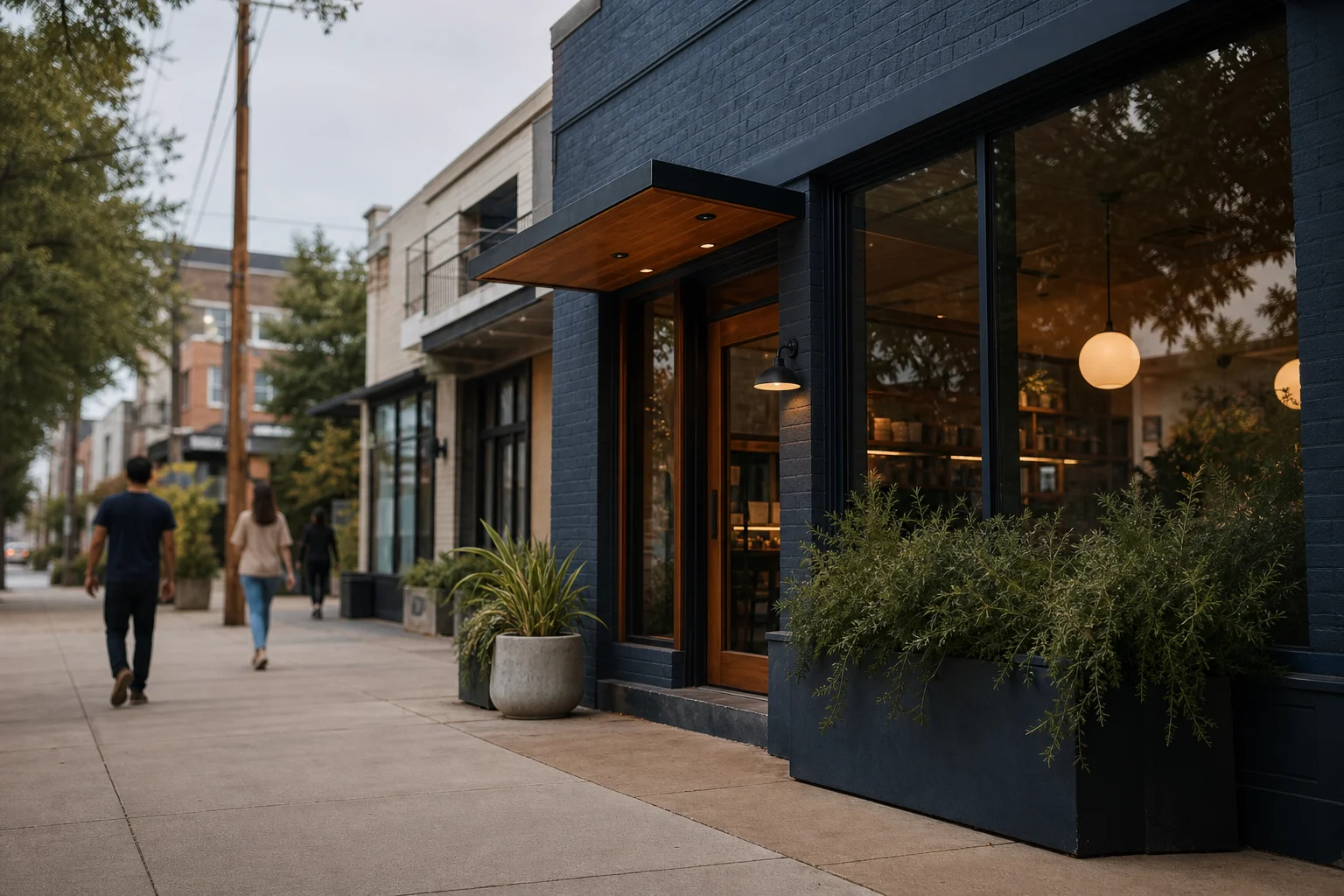
The permit stack to verify
Starting a boba shop in Miami means working through several layers of authorization. Each category has its own requirements and approval processes. Your checklist should include city, state, landlord, health, fire, signage, and tax registrations.
Miami's market temperature is currently weak, with medium competition density and medium rent levels. Locavisor neighborhood scoring shows a 72% confidence level in its 2026-05 snapshot data. The best area for a boba shop is MiMo / Upper Eastside with a score of 5.5/10.
City, state, landlord, health, fire, signage, and tax registrations
City permits form the foundation of your compliance structure. These typically include business tax receipts and zoning approvals. Miami's regulations vary by neighborhood, so verify requirements specific to your chosen location.
State-level requirements cover business formation and sales tax collection. Florida mandates specific registrations for food service businesses. These state-level requirements apply regardless of your Miami neighborhood.
Landlord approvals often get overlooked in the planning process. Your lease agreement may contain clauses about business operations. Review these carefully before signing any commercial space.
Health permits are critical for any food service operation. Miami-Dade County has specific requirements for food establishments. These inspections focus on sanitation, food handling, and facility maintenance.
Fire safety compliance ensures your boba shop meets safety standards. Miami's fire department conducts regular inspections. These requirements cover everything from emergency exits to equipment placement.
Signage regulations control the visual landscape of Miami's commercial areas. Your shop's exterior signs must comply with local codes. These rules affect visibility and branding opportunities.
Tax registrations include both federal and state requirements. You'll need an EIN from the IRS and a Florida sales tax permit. These registrations allow you to legally collect and remit sales taxes.
Documents to collect before lease signing
Before committing to a commercial space, gather all necessary documentation. Verify zoning classifications allow food service operations. Check for any special overlay districts that might affect your business.
Research the property's compliance history. Previous violations could indicate ongoing issues. Miami's building department maintains records of past inspections and violations.
Consider the neighborhood's characteristics when evaluating potential locations. MiMo / Upper Eastside offers walkable retail density and office-worker lunch traffic. Hialeah provides strong family-oriented demand with a train station anchor. Doral's Downtown Doral corridor features a planned mixed-use hub with office population and residential density.
Evaluate the competitive landscape in each area. MiMo has no direct boba competitors within the area itself. Hialeah also lacks immediate boba shops in the immediate area. Doral's Downtown Doral core has no boba shops, though some exist nearby.
Review demographic data for each neighborhood. Consider factors like foot traffic, nearby attractions, and customer demographics. These factors influence your potential customer base and revenue projections.
What varies by boba shop format
Different boba shop formats have different compliance requirements. A full-service café needs more permits than a kiosk operation. Your business model determines which regulations apply.
Mobile boba operations face unique challenges. Miami has specific regulations for food trucks and carts. These requirements differ from brick-and-mortar establishments.
Franchise boba shops come with their own compliance frameworks. Brand standards may exceed local requirements. Review your franchise agreement for additional obligations.
Seasonal or pop-up boba shops have temporary operation requirements. Miami may allow shorter-term permits for special events. These temporary operations still need basic health and safety compliance.
FAQ
What permits do I need for A Boba Shop in Miami?
A boba shop in Miami requires multiple permits across different categories. You'll need city business tax receipts, state business formation documents, and landlord approvals. Health permits are essential for food service operations, along with fire safety compliance. Signage regulations control exterior signs, and tax registrations include both federal and state requirements. The specific requirements depend on your location, business format, and operational details.
How do I verify zoning requirements for my boba shop?
Miami's zoning regulations determine where food service businesses can operate. Check the zoning classification of potential properties before signing a lease. Miami's planning department provides zoning maps and information. Consider consulting with a local attorney or zoning expert for complex situations.
What should I look for in a commercial lease for my boba shop?
Review your commercial lease carefully for business operation clauses. Pay attention to maintenance responsibilities, renewal options, and termination conditions. Consider the length of the lease and rent escalation clauses. Miami's commercial lease laws provide some protections, but terms vary significantly between agreements.
How does Miami's market affect boba shop permits?
Miami's current market temperature is weak, with medium competition density and medium rent levels. These market conditions influence permit requirements and business viability. The best area for a boba shop is MiMo / Upper Eastside with a score of 5.5/10. Market conditions may affect your ability to secure financing and attract customers.
What resources are available for boba shop permit applications?
Miami provides resources for business owners navigating permit requirements. The city's business portal offers information on various permits and licenses. Consider joining local business associations for guidance and support. Professional consultants can help navigate complex regulatory requirements.
Last reviewed: 2026-05-08
Sources: U.S. Census Bureau ACS, LEHD LODES, Google Places, OpenStreetMap, Locavisor neighborhood scoring.
Methodology: Locavisor scores neighborhoods across demand, competition fit, rent fit, accessibility, and customer match. Scores reflect a snapshot of recent data and should be combined with on-the-ground research before lease decisions.
Disclaimer: This article provides informational content only and does not constitute legal, financial, accounting, or real-estate advice. Verify lease terms, licensing, local regulations, costs, and professional requirements with qualified local professionals before making business decisions.
Free preview shows top 3 neighborhoods. Full $9.99 report covers all 10 areas with personalized scoring + 90-day check-ins.
Informational only. Verify lease, licensing, local regulations, costs, and professional requirements with qualified local professionals.