New York, NY · boba shop
Boba shop permits New York
Opening a boba shop in New York requires navigating a complex web of permits and licenses. This guide breaks down the essential compliance requirements for your bubble tea business in the city's top neighborhoods. The permit landscape varies by location, with Harlem, Astoria, and Sunset Park emerging as promising areas for your boba venture based on Locavisor neighborhood scoring.
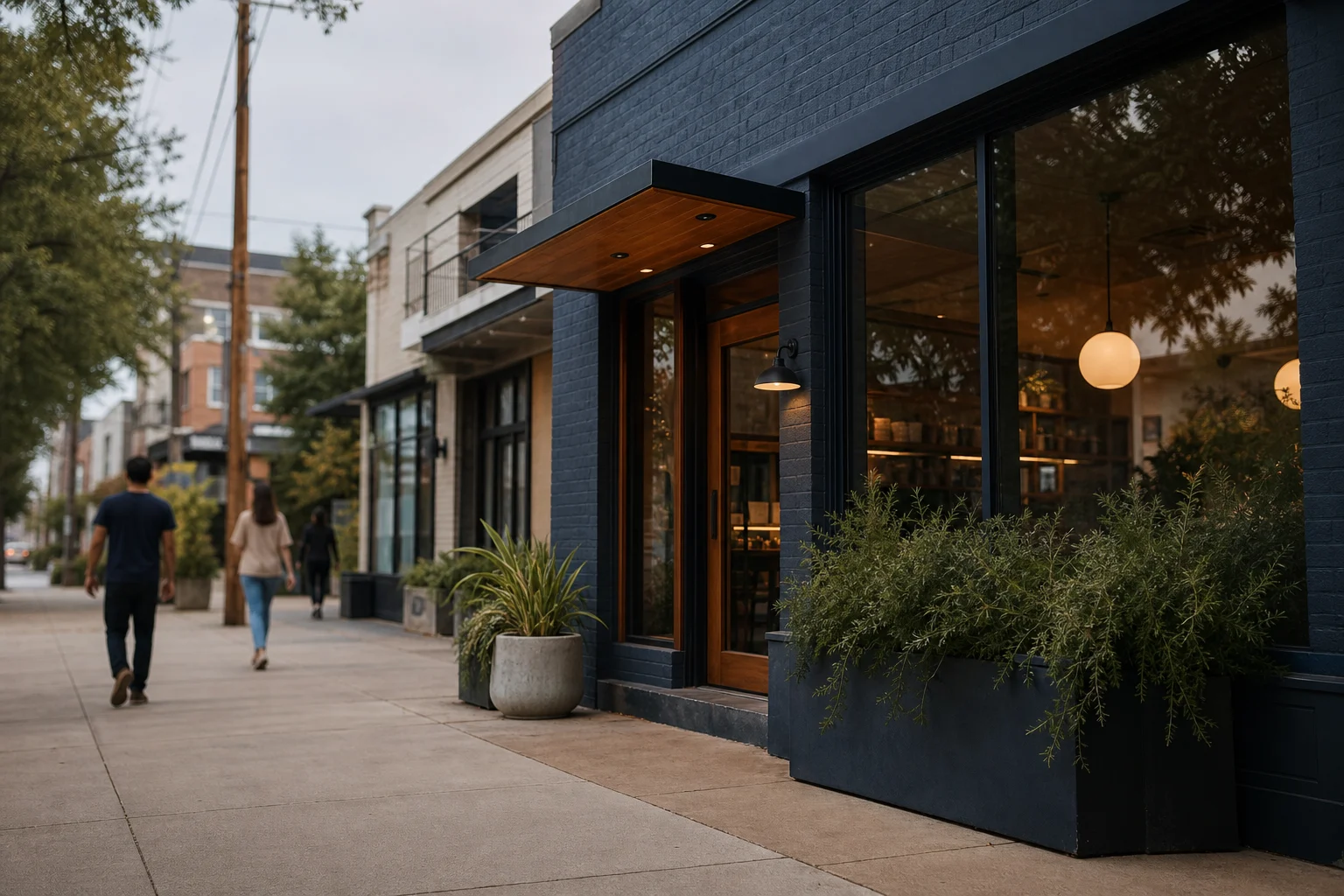
The permit stack to verify
Before signing any lease or investing in equipment, founders must verify their compliance requirements. New York's boba shop permit landscape includes city, state, landlord, health, fire, signage, and tax registrations. Each category has specific requirements that vary by location and business format.
The top three areas for boba shops according to Locavisor neighborhood scoring are:
Harlem (6.3/10) — Harlem's 125th Street corridor delivers exceptional daytime foot traffic (near-ceiling daytime population density) with strong transit access via subway and Metro-North. The area has moderate rent pressure — expect roughly $30-50/sqft NNN — and a solid evening daypart score, but office-worker density is thin and the student index is only moderate.
Astoria (6.1/10) — Astoria's 30th Avenue/Broadway corridor offers near-maximum walkability, strong transit via the N/W line, and a dense residential base. Rent is moderate — expect roughly $30-50/sqft NNN. The area has a strong evening daypart score and good local vibrancy, but the student index is below-average and office density is moderate.
Sunset Park (6.0/10) — Sunset Park's 8th Avenue Chinatown corridor is the most culturally validated boba market in this set — the area already supports multiple boba shops including ViVi Bubble Tea (4.4★, 118 reviews), Gong Cha (3.7★, 122 reviews), and JOOY TEA SHOPPE locations. Rent is the most affordable of the top 5 — expect roughly $20-35/sqft NNN.
City, state, landlord, health, fire, signage, and tax registrations
New York City requires boba shop owners to obtain multiple permits and licenses. The city-level requirements include a general business license, Department of Consumer Affairs (DCA) registration, and potentially a food service establishment permit if you plan to prepare food on-site.
State-level requirements include a New State Sales Tax Certificate of Authority, which allows you to collect sales tax on your products. You'll also need to register your business name with the New York State Department of State.
Landlord requirements often include proof of insurance, additional security deposits, and potentially a personal guarantee. Many commercial leases in New York include clauses requiring specific insurance coverage and compliance with building codes.
Health permits are critical for any boba shop that prepares food or beverages. These typically involve inspections of your facility, equipment, and processes to ensure compliance with food safety standards.
Fire safety requirements include obtaining a Certificate of Occupancy and ensuring your space meets fire safety codes. This may involve installing fire suppression systems, emergency exits, and proper signage.
Signage permits are required for any exterior signs, with specific regulations about size, placement, and illumination depending on your neighborhood and building.
Tax registrations include federal Employer Identification Number (EIN) if you plan to hire employees, as well as local business taxes specific to New York City.
Documents to collect before lease signing
Before committing to a commercial space, collect all necessary documentation to verify compliance requirements. This includes zoning verification to confirm your business is permitted in the location, building department records to check for any code violations, and health department inspection history if the space previously housed a food establishment.
For Harlem, verify the zoning around 125th Street to ensure it permits food service businesses. Check the building's Certificate of Occupancy and any previous health inspection reports. The area's strong transit access makes it attractive, but confirm your specific location meets all requirements.
In Astoria, verify zoning along 30th Avenue/Broadway, particularly regarding food preparation and service. The area's dense residential base is promising, but ensure your space meets all health and safety requirements for a boba operation.
For Sunset Park's 8th Avenue Chinatown corridor, research the existing boba shops like ViVi Bubble Tea, Gong Cha, and JOOY TEA SHOPPE to understand local expectations and requirements. The area's cultural validation for boba is strong, but verify your specific location's compliance history.
What varies by boba shop format
Your boba shop format significantly impacts your permit requirements. A takeout-only operation has different requirements than a full-service restaurant with seating. Mobile boba carts face additional regulations regarding mobility, parking, and health standards.
For Harlem's 125th Street corridor, a takeout-first boba concept near the transit hub might be ideal given the daytime foot traffic. This format typically requires fewer permits than a full-service restaurant with seating.
In Astoria's 30th Avenue/Broadway corridor, a boba shop with limited seating might work well given the area's strong evening daypart score. However, this format requires additional permits for customer seating and potentially increased health and safety requirements.
Sunset Park's 8th Avenue Chinatown corridor already supports multiple established boba shops. Here, you might consider a specialized format that differentiates from existing players like ViVi Bubble Tea and Gong Cha, which could affect your specific permit requirements.
FAQ
What permits do I need for A Boba Shop in New York?
You'll need a combination of city, state, and federal permits depending on your specific location and business format. Generally, this includes a New York City business license, Department of Consumer Affairs registration, food service establishment permit if preparing food on-site, State Sales Tax Certificate of Authority, and potentially additional permits based on your specific location and business model.
How long does it take to obtain all necessary permits?
Processing times vary by permit type and agency. Some permits can be obtained within days, while others may take several weeks or months. It's best to start the application process as early as possible, ideally before signing a lease or making significant investments in your space.
Do I need different permits if I plan to sell alcohol?
Yes, selling alcohol requires additional permits including a liquor license from the New York State Liquor Authority. The requirements and application process for alcohol permits are more complex and time-consuming than standard food service permits.
What are the health department requirements for a boba shop?
Health department requirements focus on food safety, proper storage of ingredients, cleanliness of equipment and facilities, and employee hygiene. You'll need to pass a health inspection before opening and maintain compliance with health codes during operation.
Do I need special permits for outdoor seating?
Yes, outdoor seating typically requires additional permits from the Department of Transportation (DOT) and possibly the Department of Consumer Affairs. These permits have specific requirements regarding seating capacity, placement, and accessibility.
How much do permits and licenses cost for a boba shop in New York?
Costs vary depending on the type of permits, location, and business size. Initial application fees can range from a few hundred to several thousand dollars, with annual renewal fees for some permits. It's important to budget for these costs when planning your startup expenses.
What insurance do I need for a boba shop?
Typical insurance requirements include general liability insurance, property insurance, and workers' compensation if you have employees. Your landlord may require specific coverage amounts and types of insurance as part of your lease agreement.
How do I verify zoning requirements for my boba shop location?
Check the New York City Zoning Resolution to confirm your specific location permits food service businesses. You can also contact the Department of City Planning or your local borough office for zoning verification. It's crucial to verify zoning before signing a lease to avoid costly relocation later.
What fire safety requirements apply to boba shops?
Fire safety requirements include proper fire exits, fire suppression systems, and compliance with the New York City Fire Code. Your space will need a Certificate of Occupancy confirming it meets these requirements before you can operate.
Are there special considerations for boba shops in historic districts?
If your location is in a historic district, you may need additional approvals from the Landmarks Preservation Commission. This can affect signage, exterior modifications, and even interior changes depending on the building's historic status.
How often do I need to renew my permits?
Renewal periods vary by permit type. Some permits require annual renewal, while others may be valid for multiple years. Check with the issuing agency for specific renewal requirements and deadlines to avoid lapses in compliance.
What professional help should I consider for navigating permits?
Consider consulting with a business attorney specializing in food service, a commercial real estate broker familiar with New York regulations, and potentially a permit expediter who can help navigate the application process. Professional guidance can save time and prevent costly mistakes.
Last reviewed: 2026-05-07
Sources: U.S. Census Bureau ACS, LEHD LODES, Google Places, OpenStreetMap, Locavisor neighborhood scoring.
Methodology: Locavisor scores neighborhoods across demand, competition fit, rent fit, accessibility, and customer match. Scores reflect a snapshot of recent data and should be combined with on-the-ground research before lease decisions.
Disclaimer: This article provides informational content only and does not constitute legal, financial, accounting, or real-estate advice. Verify lease terms, licensing, local regulations, costs, and professional requirements with qualified local professionals before making business decisions.
Free preview shows top 3 neighborhoods. Full $9.99 report covers all 10 areas with personalized scoring + 90-day check-ins.
Informational only. Verify lease, licensing, local regulations, costs, and professional requirements with qualified local professionals.