San Francisco, CA · boba shop
Boba shop permits San Francisco
Opening a boba shop in San Francisco requires navigating a complex web of permits and licenses. For small business founders, understanding these requirements is crucial to avoid costly delays and compliance issues. This guide breaks down the essential permits and licenses you'll need to operate legally in the city.
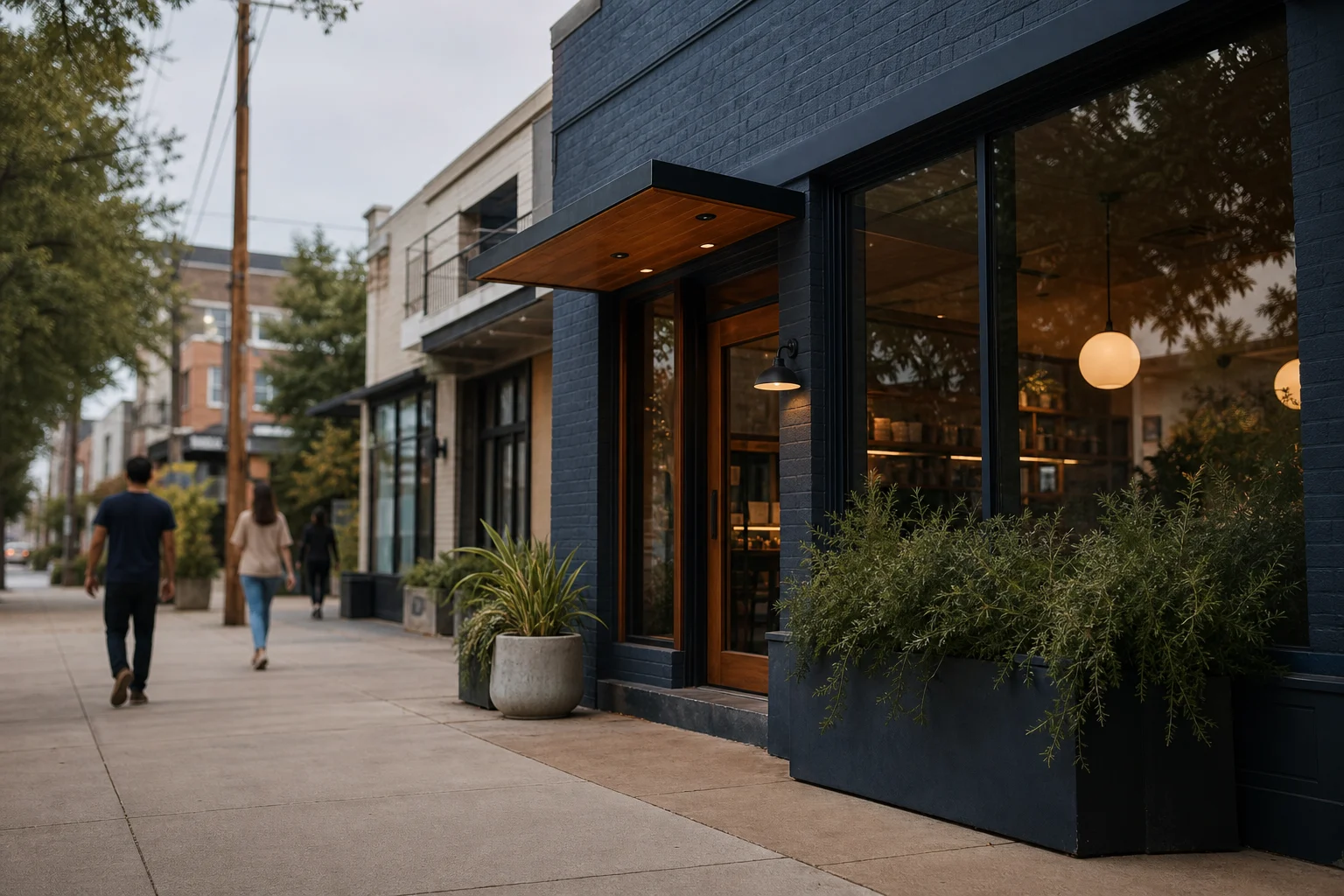
The permit stack to verify
Before opening your boba shop, you'll need to verify several categories of permits and licenses. These requirements ensure your business operates safely, legally, and contributes appropriately to the city's regulatory framework. Each category serves a specific purpose in protecting public health, safety, and fair business practices.
The permit stack includes city business licenses, state tax registrations, health department permits, fire safety certifications, building code compliance, signage approvals, and landlord requirements. Each category has its own application process, fees, and renewal requirements. Understanding this stack helps you plan your timeline and budget effectively.
City, state, landlord, health, fire, signage, and tax registrations
City permits and licenses
San Francisco requires all businesses to obtain a business tax registration certificate. This basic registration allows you to legally operate within city limits. You'll also need to verify any specific zoning requirements for your boba shop location, as different neighborhoods may have additional restrictions.
State requirements
At the state level, you'll need to register for sales tax collection if you'll be selling products directly to customers. California also requires businesses with employees to obtain workers' compensation insurance and register with the Employment Development Department for payroll taxes.
Landlord requirements
Your lease agreement will likely include specific requirements related to your business operations. These may include proof of insurance, compliance with building codes, and adherence to business hours that don't disturb other tenants. Always review your lease carefully before signing.
Health department permits
Food service businesses like boba shops require health department permits to ensure food safety standards are met. This typically involves inspections of your facility, equipment, and food handling procedures. The health department will verify that your shop meets sanitation requirements and proper food storage protocols.
Fire safety certifications
Your boba shop must comply with fire safety regulations. This includes having proper fire extinguishers, emergency exits, and potentially a fire suppression system depending on your setup. Fire department inspections will verify these safety measures are in place.
Signage approvals
San Francisco has specific regulations regarding business signage, including size, placement, and illumination requirements. You'll need to obtain approval for any exterior signage to ensure it complies with city ordinances.
Tax registrations
Beyond sales tax, you may need additional tax registrations depending on your business structure. This could include business income tax registrations or specific industry-related taxes. Consult with a tax professional to ensure you're meeting all tax obligations.
Documents to collect before lease signing
Before signing a lease for your boba shop location, gather all necessary documents to verify compliance requirements. This includes zoning information, building code requirements, and any neighborhood-specific regulations.
Research the specific neighborhood where you plan to open your shop. According to Locavisor neighborhood scoring, the top three areas for boba shops in San Francisco are:
Tenderloin (5.9/10) — Tenderloin sits at the intersection of downtown office density, tourist traffic, and the Little Saigon corridor — massive foot traffic potential but a saturated boba market with 9 nearby competitors. The rent is workable for a medium-budget operator, but customerMatch is weak: office workers don't reliably convert to boba sales.
Nob Hill (5.8/10) — Nob Hill is upscale residential with strong transit and walkability, but the boba competitive set is dense (10 shops within 1.6km) and the residential base skews older and affluent — not the core boba demographic. Rent is in the $45-70/sqft NNN range, manageable for medium budget but tight margins.
Excelsior / Outer Mission (5.5/10) — Excelsior/Outer Mission is a genuine neighborhood corridor with strong residential density, a family-friendly mix, and moderate rent ($45-70/sqft NNN). The boba competitive set is thinner here — 5 shops within 2km — and the existing operators have limited hours or low review counts, creating real openings.
Each neighborhood has its own specific requirements and competitive landscape. Understanding these factors will help you choose the right location for your boba shop.
What varies by boba shop format
The specific permits and licenses you need may vary depending on your boba shop format. A standalone location will have different requirements than a kiosk in a mall or a shop within a larger retail establishment.
For example, a standalone boba shop will need more comprehensive building and fire safety certifications, while a mall kiosk may have different requirements based on the mall's regulations. Similarly, a boba shop that serves food will need more extensive health department permits than one that only sells pre-packaged beverages.
Consider your business model when researching permit requirements. A delivery-only boba shop will have different licensing needs than one with a physical storefront. Each format comes with its own set of compliance considerations.
FAQ
What permits do I need for A Boba Shop in San Francisco?
You'll need several permits and licenses to operate a boba shop in San Francisco. These include a city business tax registration certificate, state sales tax registration, health department permits for food service, fire safety certifications, and appropriate signage approvals. The specific requirements may vary based on your location and business format.
How long does it take to obtain all the necessary permits?
The timeline for obtaining permits varies depending on the type of permit and current processing times. Some permits can be obtained relatively quickly, while others may require inspections and additional documentation. It's best to start the application process as early as possible to avoid delays in your opening timeline.
Do I need different permits if I plan to sell food items with my boba?
Yes, if you plan to prepare and sell food items beyond pre-packaged beverages, you'll need additional health department permits. These ensure your food preparation areas and processes meet safety standards. The specific requirements depend on the type of food you plan to sell.
Are there neighborhood-specific requirements I should be aware of?
Yes, different neighborhoods in San Francisco may have additional requirements or restrictions. For example, some areas may have specific signage regulations or operating hours. Researching the specific requirements of your chosen neighborhood is essential before finalizing your location.
Do I need professional help to navigate the permit process?
While it's possible to navigate the permit process independently, many business owners find it helpful to work with professionals who understand the local regulations. A business attorney or consultant can help ensure you're meeting all requirements and avoid costly mistakes.
How often do I need to renew my permits and licenses?
Most permits and licenses require annual renewal. Some may have different renewal periods depending on the type of permit. Keep track of renewal dates to avoid lapses in compliance, which could result in fines or forced closure of your business.
What happens if I operate without the proper permits?
Operating without proper permits can result in fines, legal action, and forced closure of your business. It's essential to obtain all necessary permits before opening your boba shop to avoid these consequences and ensure your business operates legally.
Last reviewed: 2026-05-07
Sources: U.S. Census Bureau ACS, LEHD LODES, Google Places, OpenStreetMap, Locavisor neighborhood scoring.
Methodology: Locavisor scores neighborhoods across demand, competition fit, rent fit, accessibility, and customer match. Scores reflect a snapshot of recent data and should be combined with on-the-ground research before lease decisions.
Disclaimer: This article provides informational content only and does not constitute legal, financial, accounting, or real-estate advice. Verify lease terms, licensing, local regulations, costs, and professional requirements with qualified local professionals before making business decisions.
Free preview shows top 3 neighborhoods. Full $9.99 report covers all 10 areas with personalized scoring + 90-day check-ins.
Informational only. Verify lease, licensing, local regulations, costs, and professional requirements with qualified local professionals.