Seattle, WA · boba shop
Boba shop permits Seattle
Opening a boba shop in Seattle requires navigating a complex web of permits and licenses. The city's regulatory landscape can be challenging, especially for new entrepreneurs entering the competitive tea beverage market. Before you can serve your first tapioca pearl, you'll need to verify multiple compliance requirements across city, state, and federal levels.
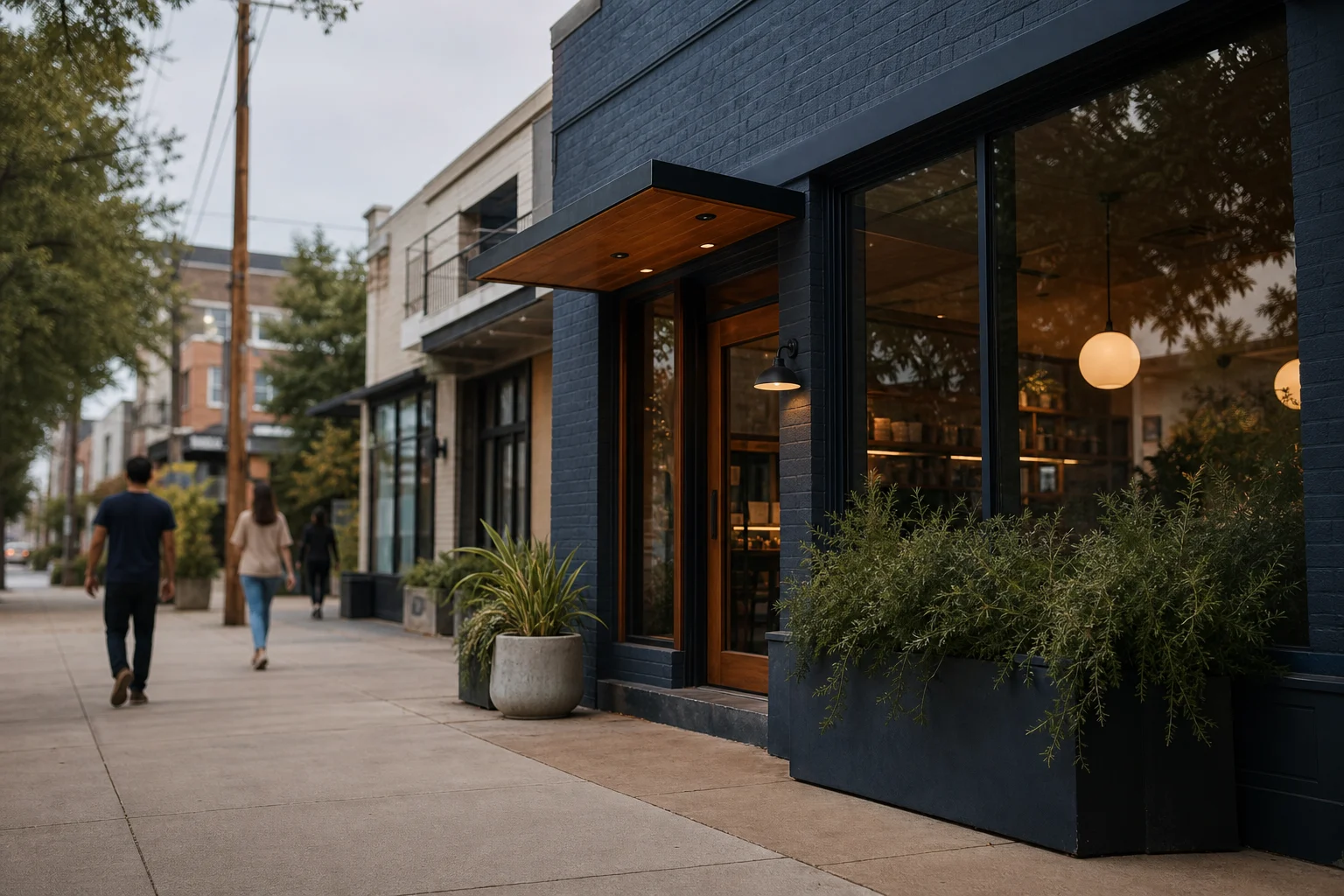
The permit stack to verify
Seattle's boba scene presents both opportunities and challenges. According to Locavisor neighborhood scoring, the U-District (University District) ranks as the best location with a 7.1/10 score. This area boasts Seattle's strongest boba corridor with 8 tea shops within a 3-block radius of The Ave, anchored by 50,000+ UW students. Walkability is near ceiling, light rail is at your doorstep, and evening/late-night daypart scores are city-leading. The catch: you'd be the 9th boba shop in a hyper-saturated block.
Wallingford follows with a 6.8/10 score. Its N 45th St corridor offers strong residential density, above-average affluence, and zero boba shops on the main drag — the nearest competitors cluster 1.4-1.7 km away in the U-District. The trade-off: no student tidal wave and a more family/young-professional customer base that expects quality over speed.
Fremont rounds out the top three with a 6.4/10 score. Fremont's 'Center of the Universe' pulls strong office-worker lunch traffic (office index is above-average) plus tourist spillover from the Troll and Sunday Market. No boba shops exist on the main Fremont Ave strip — the nearest are 2.3-2.7 km away in the U-District. The catch: Fremont's customer base skews toward craft coffee and sit-down dining, not quick-service tea.
City, state, landlord, health, fire, signage, and tax registrations
Your boba shop permit checklist begins with city-level requirements. Seattle's Department of Finance and Administrative Services handles business licensing. You'll need a basic business license, which is mandatory for all operating businesses within city limits. Additionally, food establishments require a separate food service establishment permit.
State-level requirements include a Washington State Business License and registration with the Department of Revenue for sales tax collection. If you plan to hire employees, you'll need to register with the Department of Labor and Industries for workers' compensation insurance.
Landlord requirements often include proof of general liability insurance and sometimes additional coverage specific to your lease terms. Many commercial leases also require landlord approval for your business plan and operational hours.
Health permits are non-negotiable for any boba shop. The Seattle-King County Public Health Department conducts inspections to ensure compliance with food safety regulations. This includes proper food handling, storage temperatures, facility sanitation, and employee hygiene practices.
Fire safety compliance involves meeting Seattle Fire Department requirements for occupancy loads, emergency exits, fire suppression systems, and extinguisher placement. Your space will need to pass a fire inspection before receiving final approval.
Signage permits regulate the size, placement, and illumination of your business signs. Seattle has specific ordinances governing commercial signage to maintain neighborhood aesthetics and safety.
Tax registrations include your business license tax, business and occupation tax, and sales tax collection responsibilities. You'll need to understand Seattle's tax structure for food service businesses and implement proper collection and remittance procedures.
Documents to collect before lease signing
Before committing to a commercial space, gather all necessary documentation to ensure compliance. Verify that the property is zoned for food service operations. Some areas may have restrictions on food preparation or specific requirements for commercial kitchens.
Review the building's certificate of occupancy to confirm it allows for your intended use. Check for any existing health or fire department violations that could delay your opening. Obtain copies of previous inspection reports if available.
Confirm utility connections and capacity for your equipment needs. Boba shops require significant water usage, refrigeration, and electrical capacity for specialized equipment like tea brewers and refrigerated display cases.
Research neighborhood-specific regulations that might affect your operations. Some Seattle neighborhoods have additional requirements or restrictions on food service businesses, particularly in residential areas.
Consider parking availability and any requirements for customer or employee parking. Seattle's parking regulations can be complex, and inadequate parking could impact your business operations.
What varies by boba shop format
Your boba shop format significantly impacts your permit requirements. A full-service sit-down restaurant with boba offerings will face more stringent health and building codes than a quick-service counter operation.
Mobile boba shops require different permits, including mobile vending licenses and potentially health department certifications for mobile food preparation. These operations must also comply with Seattle's mobile vending ordinances regarding locations and hours.
Kiosk-style boba shops in malls or shopping centers may have additional requirements from property management beyond standard city permits. These often include operating hour restrictions, appearance standards, and specific operational guidelines.
Franchise boba shops must comply with both corporate standards and local regulations. The franchisor typically provides guidance on compliance, but you remain responsible for obtaining and maintaining all necessary permits.
Online-order-only boba shops with no physical location still require basic business licensing and sales tax registration, though they may be exempt from certain health and fire requirements.
FAQ
What permits do I need for A Boba Shop in Seattle?
You'll need several permits to operate a boba shop in Seattle. These include a Seattle business license, a food service establishment permit from the health department, and potentially additional permits based on your specific location and operations. State requirements include a Washington State Business License and sales tax registration. Your landlord may also require proof of insurance before signing a lease. Fire safety compliance is mandatory, and you'll need to meet signage regulations for any exterior or interior business signs. The exact requirements can vary based on your shop's format, location, and specific operations.
How long does it take to obtain all necessary permits?
The timeline for obtaining permits varies depending on the type of permits required and the completeness of your application. Some permits may be issued within days, while others, particularly health department approvals, may take several weeks. It's advisable to start the permit application process well before your planned opening date to account for any delays or additional requirements that may arise during the review process.
Can I operate a boba shop from home?
Home-based boba operations face significant regulatory hurdles in Seattle. Residential zoning typically prohibits commercial food preparation and sales. Even if allowed, home-based businesses must meet health department requirements for food preparation, which can be challenging in a residential kitchen. Most successful boba shops operate from commercial spaces that meet all zoning and health requirements.
What happens if I operate without proper permits?
Operating without proper permits can result in fines, closure orders, and legal action. Seattle's regulatory authorities conduct regular inspections, and non-compliance can lead to immediate shutdown of your business. Additionally, operating without proper insurance coverage could leave you personally liable for accidents or injuries that occur on your premises.
Do I need special permits for outdoor seating?
If you plan to offer outdoor seating, you'll likely need additional permits. Seattle regulates sidewalk cafes and outdoor dining areas with specific requirements for seating arrangements, accessibility, and maintenance. These permits often involve review by multiple departments including transportation, parks, and neighborhood services.
How often do I need to renew my permits?
Most business licenses and permits require annual renewal. Health department permits typically need annual renewal as well, often accompanied by a follow-up inspection. It's important to keep track of renewal deadlines to avoid lapses in compliance that could affect your operations.
Last reviewed: 2026-05-08
Sources: U.S. Census Bureau ACS, LEHD LODES, Google Places, OpenStreetMap, Locavisor neighborhood scoring.
Methodology: Locavisor scores neighborhoods across demand, competition fit, rent fit, accessibility, and customer match. Scores reflect a snapshot of recent data and should be combined with on-the-ground research before lease decisions.
Disclaimer: This article provides informational content only and does not constitute legal, financial, accounting, or real-estate advice. Verify lease terms, licensing, local regulations, costs, and professional requirements with qualified local professionals before making business decisions.
Free preview shows top 3 neighborhoods. Full $9.99 report covers all 10 areas with personalized scoring + 90-day check-ins.
Informational only. Verify lease, licensing, local regulations, costs, and professional requirements with qualified local professionals.