Washington, DC · boba shop
Boba shop permits Washington
Opening a boba shop in Washington requires navigating a complex permit landscape. The District's regulatory environment demands careful attention to compliance requirements across multiple jurisdictions. 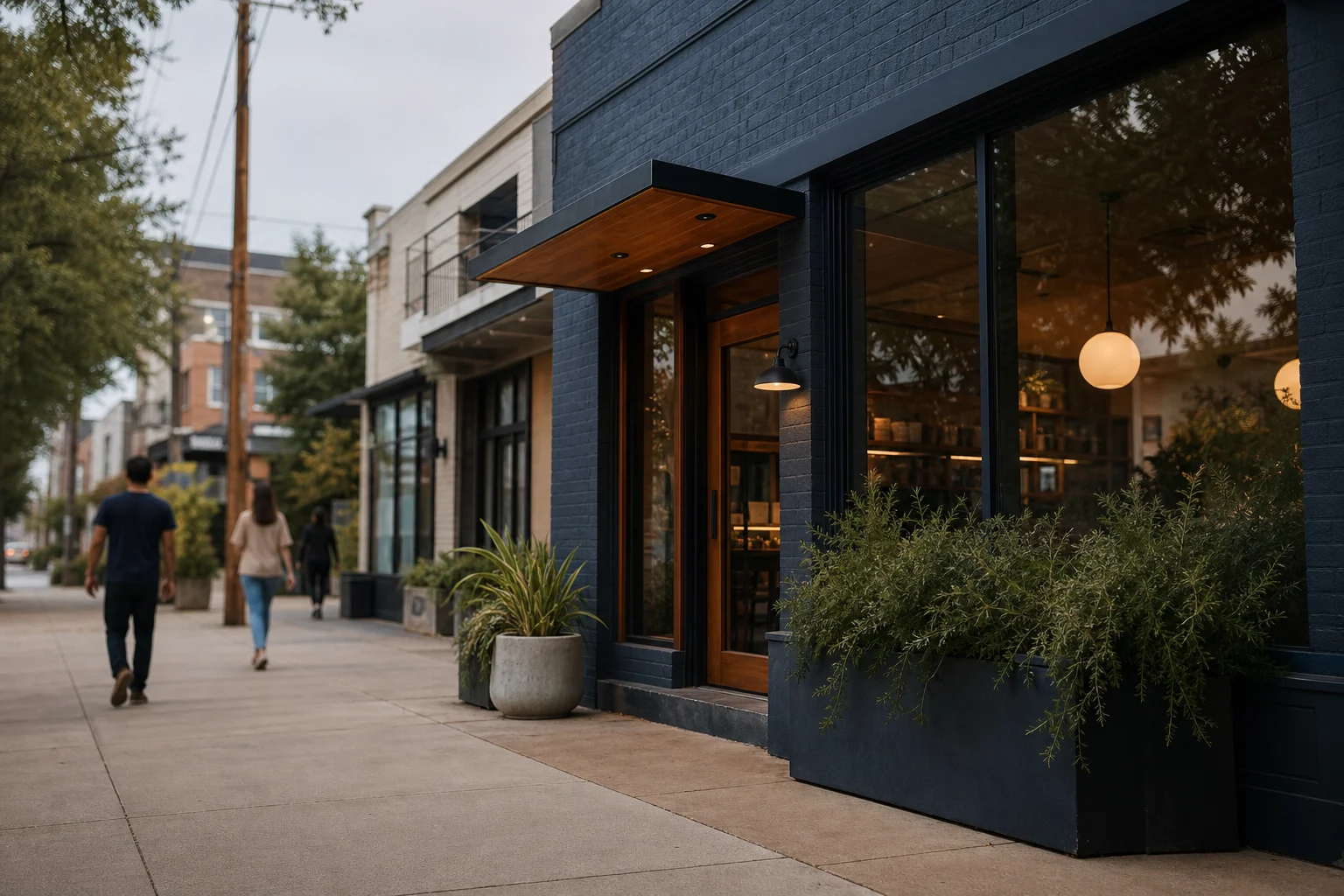
The permit stack to verify
Your boba shop will require permits from multiple authorities. Each layer of regulation serves a specific purpose in ensuring public safety and business operation. Understanding this hierarchy helps you prepare documentation systematically.
City, state, landlord, health, fire, signage, and tax registrations
Washington's boba shops need city business licenses to operate legally. These licenses verify your business structure and location compliance. The District's requirements may vary based on your specific business model and location.
State-level registrations cover basic business operations. These include tax identification numbers and sales tax collection authorization. Washington's state requirements apply to all food service businesses regardless of size.
Landlord permissions often precede official permits. Your lease agreement should specify alterations allowed to the property. These permissions affect how you can design your boba shop layout and equipment placement.
Health permits are critical for any food service establishment. These ensure your boba shop meets sanitation standards for food preparation and service. The requirements cover everything from ingredient storage to customer service areas.
Fire safety regulations apply to all commercial food service operations. Your boba shop must meet egress requirements and proper fire suppression systems. These standards protect both customers and staff during business hours.
Signage permits regulate visual impact on the District's streetscape. Washington has specific rules about sign size, placement, and illumination. These regulations affect how customers can identify your boba shop location.
Tax registrations include multiple components beyond basic business licensing. These may include local business taxes and employee withholding requirements. Proper tax documentation prevents legal issues as your boba shop grows.
Documents to collect before lease signing
Before committing to a location, verify the property's compliance status. Existing buildings may have outstanding violations affecting your opening timeline. These issues can delay your boba shop's launch if discovered after lease signing.
Zoning verification confirms your boba shop aligns with local land use regulations. Washington's zoning code specifies permitted uses in commercial districts. Your chosen location must support food service operations without requiring special exceptions.
Utility capacity assessments ensure your location can support boba shop operations. Equipment like refrigeration and brewing systems require specific electrical and plumbing capacities. These requirements affect both initial setup and ongoing operational costs.
Building code compliance documentation confirms the structure meets safety standards. This includes proper ventilation for food preparation areas and adequate restroom facilities. These elements are essential for health and fire permits.
What varies by boba shop format
Your boba shop's operational model affects permit requirements. Takeout-focused locations may have different health department considerations than full-service establishments. The scale of your operation impacts regulatory complexity.
Mobile boba shops face additional licensing requirements beyond fixed locations. These include vehicle-specific permits and temporary operation permissions. Mobile operations require special attention to health and safety standards on wheels.
Franchise boba shops often come with standardized compliance documentation. These documents streamline the permit application process. However, you'll still need to adapt these materials to Washington's specific requirements.
FAQ
What permits do I need for A Boba Shop in Washington?
Your boba shop requires multiple permits across different jurisdictions. These include city business licenses, state tax registrations, health permits, fire safety certifications, and signage approvals. The exact requirements depend on your specific location and business model.
How long does the permit process take in Washington?
Processing times vary based on permit type and application completeness. Some permits may be issued quickly while others require inspections and additional documentation. Planning ahead helps avoid delays in your boba shop's opening timeline.
Can I apply for permits before signing a lease?
Some preliminary permits can be researched before committing to a location. However, most permits require a physical address for final approval. Understanding Washington's requirements helps you evaluate potential locations more effectively.
What happens if I operate without proper permits?
Operating without required permits can result in fines and forced closure. Washington takes regulatory compliance seriously for food service businesses. Proper permit documentation protects your investment and ensures smooth operations.
How do I know if my location is suitable for a boba shop?
Washington's top areas for boba shops include Foggy Bottom/GWU (7.4/10), Chevy Chase DC (6.2/10), and Ivy City (6.0/10). These locations offer different advantages in terms of competition density, rent levels, and market temperature. Locavisor neighborhood scoring can help evaluate potential sites.
Last reviewed: 2026-05-08
Sources: U.S. Census Bureau ACS, LEHD LODES, Google Places, OpenStreetMap, Locavisor neighborhood scoring.
Methodology: Locavisor scores neighborhoods across demand, competition fit, rent fit, accessibility, and customer match. Scores reflect a snapshot of recent data and should be combined with on-the-ground research before lease decisions.
Disclaimer: This article provides informational content only and does not constitute legal, financial, accounting, or real-estate advice. Verify lease terms, licensing, local regulations, costs, and professional requirements with qualified local professionals before making business decisions.
Free preview shows top 3 neighborhoods. Full $9.99 report covers all 10 areas with personalized scoring + 90-day check-ins.
Informational only. Verify lease, licensing, local regulations, costs, and professional requirements with qualified local professionals.