Boston, MA · coffee shop
Coffee shop permits Boston
Opening a coffee shop in Boston requires navigating a complex web of permits and licenses. Founders must verify compliance at multiple levels before serving the first cup. This guide breaks down the essential permit stack for coffee shop permits Boston, helping you avoid costly delays and compliance issues.
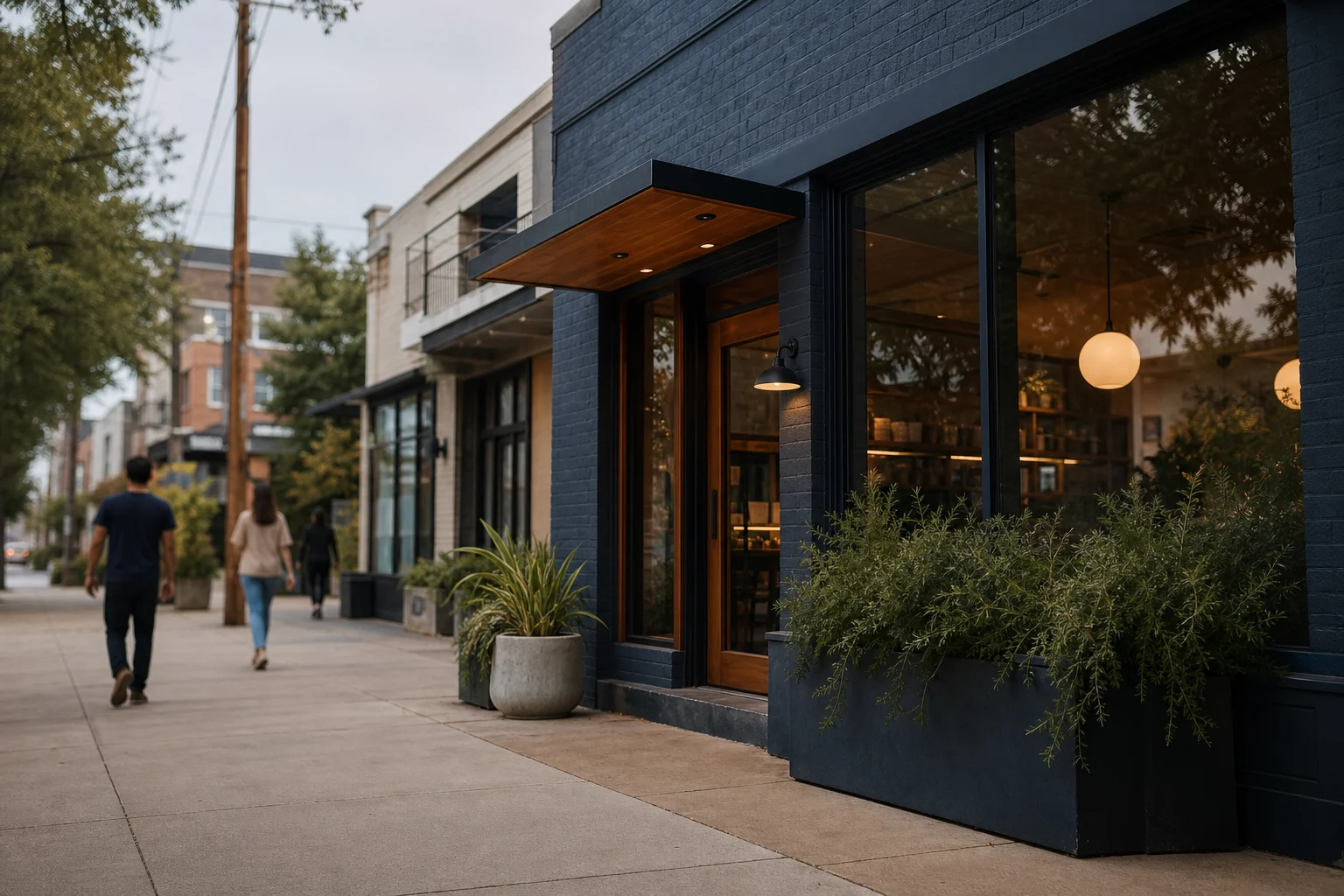
The permit stack to verify
Every coffee shop opening in Boston requires verification across multiple permit categories. Founders must systematically check city, state, landlord, health, fire, signage, and tax requirements. Missing any element can delay your opening or force costly retrofits. The verification process should begin early in your planning phase, as some permits require significant processing time.
City, state, landlord, health, fire, signage, and tax registrations
City-level registrations form the foundation of your compliance. Boston requires basic business registration for all commercial establishments. You'll need to verify zoning compliance for your specific location, ensuring coffee shops are permitted in your chosen neighborhood. Some areas may have additional requirements for outdoor seating or specific operating hours.
State-level requirements include basic business entity registration. Massachusetts requires sales tax collection authorization for any business selling goods. If you plan to serve food beyond pre-packaged items, additional state-level food service registrations apply.
Landlord approvals often get overlooked but are critical. Your lease should explicitly allow for coffee shop operations. Verify that the property's certificate of occupancy permits food service businesses. Some leases require landlord approval for any build-out or significant renovations.
Health department compliance is non-negotiable for food service businesses. You'll need to verify that your planned layout meets health code requirements for food preparation, storage, and service. This includes proper plumbing, ventilation, and waste management systems.
Fire safety requirements apply to all commercial spaces. Your layout must allow for proper egress and include appropriate fire suppression systems. Some coffee shops with specific cooking equipment may require additional fire safety measures.
Signage regulations vary by neighborhood and building. Boston has specific rules about sign size, placement, and illumination. Your planned signage must comply with local ordinances and any building or historic district restrictions.
Tax registrations include both federal and state requirements. Beyond basic business registration, you'll need employer identification numbers if hiring staff. Some cities also require local tax registrations for specific business types.
Documents to collect before lease signing
Before committing to a location, collect and verify several critical documents. The property's certificate of occupancy should explicitly permit food service operations. Review any existing health department approvals for the space, as transferring these can save significant time.
Research your target neighborhood using Locavisor neighborhood scoring. Quincy Center / North Quincy (7.7/10) stands out as your best-value play. Hancock St anchors an Asian dining and boba corridor with Red Line access, strong daytime office density, and residential density that supports repeat traffic. Rent is manageable for a medium-budget operator — expect roughly $30-50/sqft NNN — and competitionFit is maxed out.
Cambridge (Kendall Square / MIT) (7.3/10) offers the strongest demand profile in the dataset — office and student indexes both at ceiling, max daytime population density, and excellent transit. But rentFit is zero: expect roughly $90-140/sqft NNN in this trophy corridor. For a medium-budget operator, the lease math is punishing. Competition is dense — Tatte, Flour, Blue Bottle, and Starbucks all within a few blocks.
Back Bay (7.1/10) represents Boston's iconic retail corridor — max walkability, strong office and tourist indexes, and city-leading retail density. But rent is near trophy level at roughly $90-140/sqft NNN, and the coffee scene is saturated with Tatte (4.4★, 2,660 reviews), Flour (4.5★, 2,159 reviews), Trident Booksellers (4.5★, 4,303 reviews), and multiple others.
What varies by coffee shop format
Your coffee shop format significantly impacts permit requirements. A simple café serving pre-packaged goods and beverages faces fewer hurdles than a full-service operation with food preparation. Drive-thru locations require additional zoning and traffic impact analysis. Mobile coffee carts have entirely different permit structures than brick-and-mortar locations.
Seating capacity affects multiple permit categories. Larger seating areas may require additional health department inspections and more stringent fire safety measures. Outdoor seating often requires separate permits and must comply with sidewalk accessibility requirements.
Your menu offerings determine specific health and safety requirements. Locations serving potentially hazardous foods like dairy or meat products face more stringent health code requirements. Specialized equipment like espresso machines may have specific installation and maintenance requirements.
FAQ
What permits do I need for A Coffee Shop in Boston? Coffee shops in Boston typically require city business registration, state sales tax authorization, health department compliance, fire safety certification, and proper signage permits. Additional requirements may apply based on your specific location, menu offerings, and seating arrangements.
How early should I start the permit process? Begin permit verification as early as possible in your planning phase. Some permits require significant processing time, and delays can impact your opening timeline.
Do I need different permits for outdoor seating? Yes, outdoor seating typically requires additional permits and must comply with specific regulations regarding placement, size, and accessibility.
How does neighborhood choice affect permit requirements? Different neighborhoods in Boston may have specific zoning requirements and regulations that impact coffee shop operations. Research your target location thoroughly before committing to a lease.
What professional help should I hire for permits? Consider consulting with a local attorney specializing in business licensing and a commercial architect familiar with Boston's building codes. These professionals can help navigate the complex permit landscape.
Last reviewed: 2026-05-08
Sources: U.S. Census Bureau ACS, LEHD LODES, Google Places, OpenStreetMap, Locavisor neighborhood scoring.
Methodology: Locavisor scores neighborhoods across demand, competition fit, rent fit, accessibility, and customer match. Scores reflect a snapshot of recent data and should be combined with on-the-ground research before lease decisions.
Disclaimer: This article provides informational content only and does not constitute legal, financial, accounting, or real-estate advice. Verify lease terms, licensing, local regulations, costs, and professional requirements with qualified local professionals before making business decisions.
Free preview shows top 3 neighborhoods. Full $9.99 report covers all 10 areas with personalized scoring + 90-day check-ins.
Informational only. Verify lease, licensing, local regulations, costs, and professional requirements with qualified local professionals.