Charlotte, NC · coffee shop
Coffee shop permits Charlotte
Opening a coffee shop in Charlotte requires navigating a complex web of permits and licenses. Understanding coffee shop permits Charlotte is essential for any founder looking to establish a successful business in this promising market. With a medium competition density and medium-high rent levels, proper compliance can make or break your coffee shop venture.
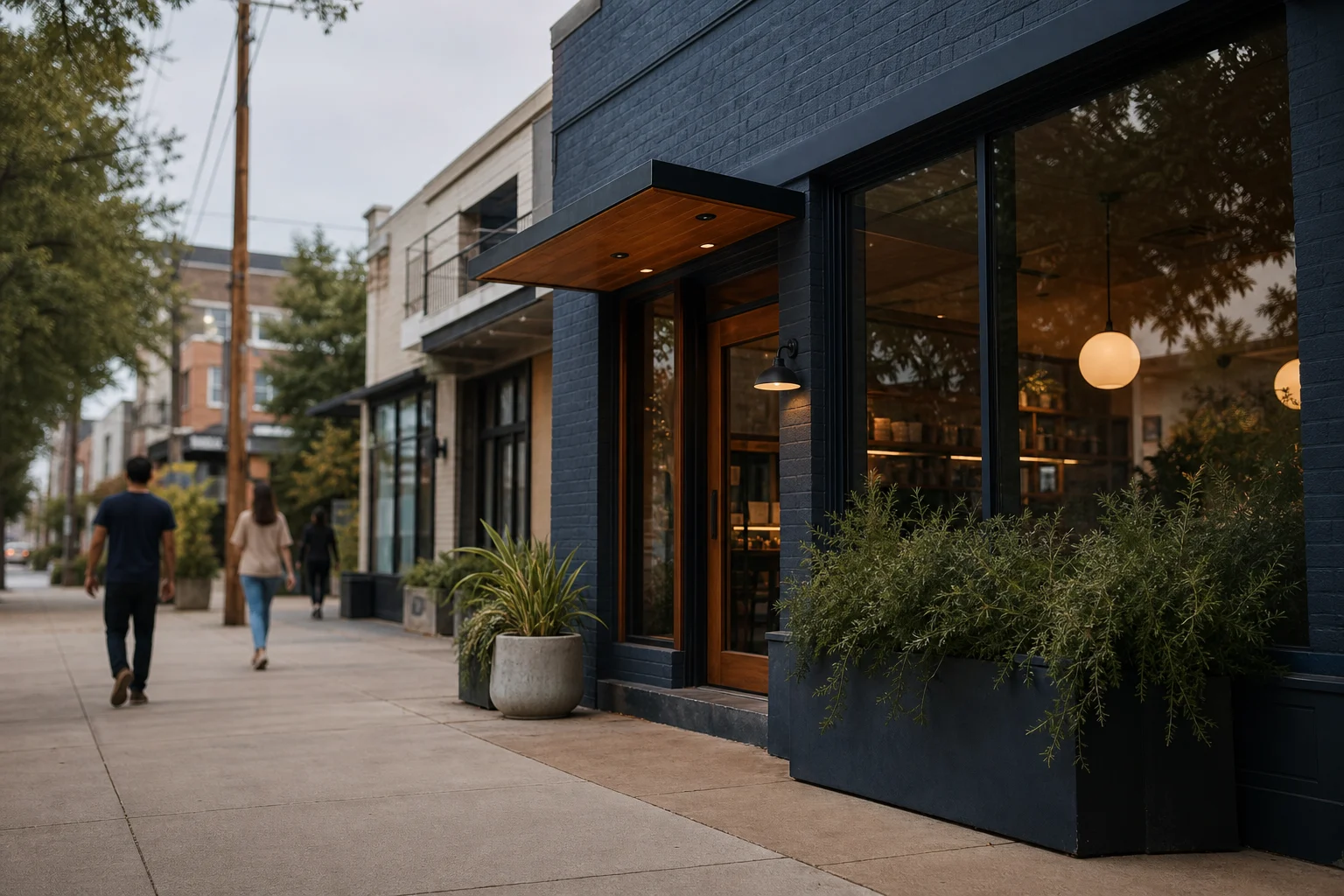
The permit stack to verify
Before signing any lease or investing in equipment, founders must verify a comprehensive stack of permits and licenses. This stack includes city, state, landlord, health, fire, signage, and tax registrations. Each category serves a specific purpose in ensuring your coffee shop operates legally and safely. Missing even one required permit can lead to costly delays, fines, or forced closure.
City, state, landlord, health, fire, signage, and tax registrations
City permits
Charlotte requires specific business operating permits for all commercial food establishments. These permits regulate your business's physical operation within city limits. The application process typically involves verifying your business location meets zoning requirements for food service establishments. Charlotte's zoning regulations may affect where you can locate your coffee shop, especially in residential areas.
State licenses
North Carolina mandates state-level licensing for food service businesses. These licenses ensure compliance with state health codes and safety regulations. The state also requires sales tax permits for collecting and remitting sales tax on coffee and food items. Additionally, you'll need employer identification numbers if hiring staff.
Landlord requirements
Your lease agreement will likely include specific requirements related to your coffee shop operation. Landlords may need to approve your business plan, especially in commercial spaces with multiple tenants. Some leases require proof of specific insurance coverage before granting approval. Understanding these landlord requirements before signing is crucial to avoid conflicts during your build-out phase.
Health permits
Health permits are non-negotiable for any food service business. Charlotte-Mecklenburg Health Department inspects your facility for food safety, storage, and handling practices. These inspections typically occur before opening and periodically thereafter. The health department will verify your equipment meets sanitation standards and that staff follows proper food handling procedures.
Fire permits
Fire safety regulations apply to all commercial establishments, especially those serving the public. Charlotte Fire Department requires permits for any business with public occupancy. These permits ensure your coffee shop has proper fire exits, extinguishers, and alarm systems. The specific requirements depend on your square footage and seating capacity.
Signage permits
Charlotte regulates commercial signage to maintain neighborhood aesthetics. Your coffee shop's signage must comply with local ordinances regarding size, placement, and illumination. Some historic districts or commercial corridors have additional restrictions. Obtaining proper signage permits prevents costly changes after installation.
Tax registrations
Beyond state sales tax, Charlotte may require local business tax registration. These registrations track your business for local tax purposes. The city may also collect occupancy taxes for hotels or short-term rentals, though these typically don't apply to standard coffee shops. Proper tax registration ensures you avoid penalties and maintain good standing with local authorities.
Documents to collect before lease signing
Before committing to a commercial space, collect and verify several key documents. These documents help ensure your chosen location meets all requirements for a coffee shop operation.
Top Charlotte neighborhoods for coffee shops
Based on Locavisor neighborhood scoring data from the 2026-05 snapshot, Charlotte offers several promising areas for coffee shop entrepreneurs:
Wesley Heights (6.7/10) — Wesley Heights is the highest-scoring area for a reason: maxed-out office density, strong walkability, and a light-rail station at your doorstep. Two existing coffee shops — Platform Coffee + Kitchen (4.7★, 478 reviews) and Not Just Coffee (4.5★, 345 reviews) — both close by 5PM, leaving the evening and late-afternoon study/work crowd wide open.
Optimist Park / Belmont (6.7/10) — Optimist Park / Belmont clusters around Optimist Hall — a major food-hall anchor drawing heavy daytime foot traffic. You've got five coffee operators within 800m including Rosie's Coffee & Wine Garden (4.8★, 567 reviews) and Undercurrent Coffee (4.4★, 145 reviews). Competition is real but the traffic is real too. Rent is roughly $45-70/sqft NNN — more manageable than Wesley Heights.
Park Road / Madison Park (6.6/10) — Park Road / Madison Park is a car-dependent corridor anchored by Park Road Shopping Center and surrounded by upscale residential. Rent is roughly $45-70/sqft NNN — workable for a medium budget.
Neighborhood-specific considerations
Each Charlotte neighborhood presents unique opportunities and challenges for coffee shop operators. Wesley Heights offers strong walkability and transit access but faces higher rent levels. Optimist Park / Belmont provides heavy daytime traffic but significant competition. Park Road / Madison Park offers more manageable rents in a car-dependent area.
When evaluating potential locations, consider how neighborhood characteristics align with your coffee shop concept. A study-focused coffee shop might thrive in Wesley Heights' evening hours, while a quick-service model might perform better in Optimist Park's daytime traffic.
What varies by coffee shop format
Different coffee shop formats may have varying permit requirements. Understanding these differences helps ensure you obtain all necessary licenses for your specific business model.
Full-service cafés
Full-service cafés with extensive food menus typically face the most stringent requirements. These establishments need comprehensive health permits covering food preparation, storage, and service. They may require additional fire safety measures due to higher occupancy limits. Full-service operations often need more extensive plumbing and electrical inspections.
Drive-thru operations
Drive-thru coffee shops have unique requirements related to traffic flow and vehicle access. These locations may need additional permits for drive-thru lanes, signage visible from the road, and outdoor ordering systems. Drive-thru operations must also consider how vehicle traffic affects pedestrian access and safety.
Kiosk or counter-service models
Simpler formats like kiosks or counter-service models typically have fewer requirements. These operations may not need full kitchen facilities, reducing health permit complexity. However, they still must comply with basic food safety regulations for any prepared items sold. These formats often have lower occupancy limits, affecting fire safety requirements.
Mobile coffee operations
Mobile coffee carts or trucks face different regulatory challenges. These operations need permits for mobile food vending, which may have specific restrictions on locations and operating hours. Mobile vendors must also ensure their equipment meets health and safety standards for operation in various settings.
FAQ
What permits do I need for A Coffee Shop in Charlotte?
Coffee shops in Charlotte typically need city business operating permits, state food service licenses, health department permits, fire safety permits, signage permits, and tax registrations. The specific requirements depend on your shop's size, services, and location.
How long does the permit process take in Charlotte?
The timeline varies by permit type and current workloads. Some permits may be approved within days, while others, especially health and fire permits, may require inspections that could take several weeks. Starting the application process early is crucial to avoid delays in your opening timeline.
Can I apply for permits before finding a location?
Some permits, like state business registration and tax IDs, can be obtained before securing a location. However, location-specific permits like health and fire inspections require a physical address. It's wise to begin the general application process while simultaneously searching for suitable commercial space.
What happens if I operate without proper permits?
Operating without required permits can result in fines, forced closure, and legal action. Charlotte authorities may issue citations, revoke your ability to operate, and require you to cease business until all permits are obtained. The financial and reputational damage from non-compliance often far exceeds the cost of proper permitting.
Do I need different permits if I plan to serve alcohol?
Serving alcohol requires additional permits beyond standard coffee shop licensing. You'll need a separate alcohol beverage control license from the state, which involves additional requirements and inspections. The specific alcohol permits depend on whether you plan to serve beer, wine, or spirits, and how alcohol will be consumed on-premises.
Last reviewed: 2026-05-08
Sources: U.S. Census Bureau ACS, LEHD LODES, Google Places, OpenStreetMap, Locavisor neighborhood scoring.
Methodology: Locavisor scores neighborhoods across demand, competition fit, rent fit, accessibility, and customer match. Scores reflect a snapshot of recent data and should be combined with on-the-ground research before lease decisions.
Disclaimer: This article provides informational content only and does not constitute legal, financial, accounting, or real-estate advice. Verify lease terms, licensing, local regulations, costs, and professional requirements with qualified local professionals before making business decisions.
Free preview shows top 3 neighborhoods. Full $9.99 report covers all 10 areas with personalized scoring + 90-day check-ins.
Informational only. Verify lease, licensing, local regulations, costs, and professional requirements with qualified local professionals.