Denver, CO · coffee shop
Coffee shop permits Denver
Opening a coffee shop in Denver requires navigating a complex web of permits and licenses. The city's promising market temperature and medium competition density make it an attractive location for coffee entrepreneurs. However, understanding the specific requirements for coffee shop permits in Denver is crucial for a smooth launch. 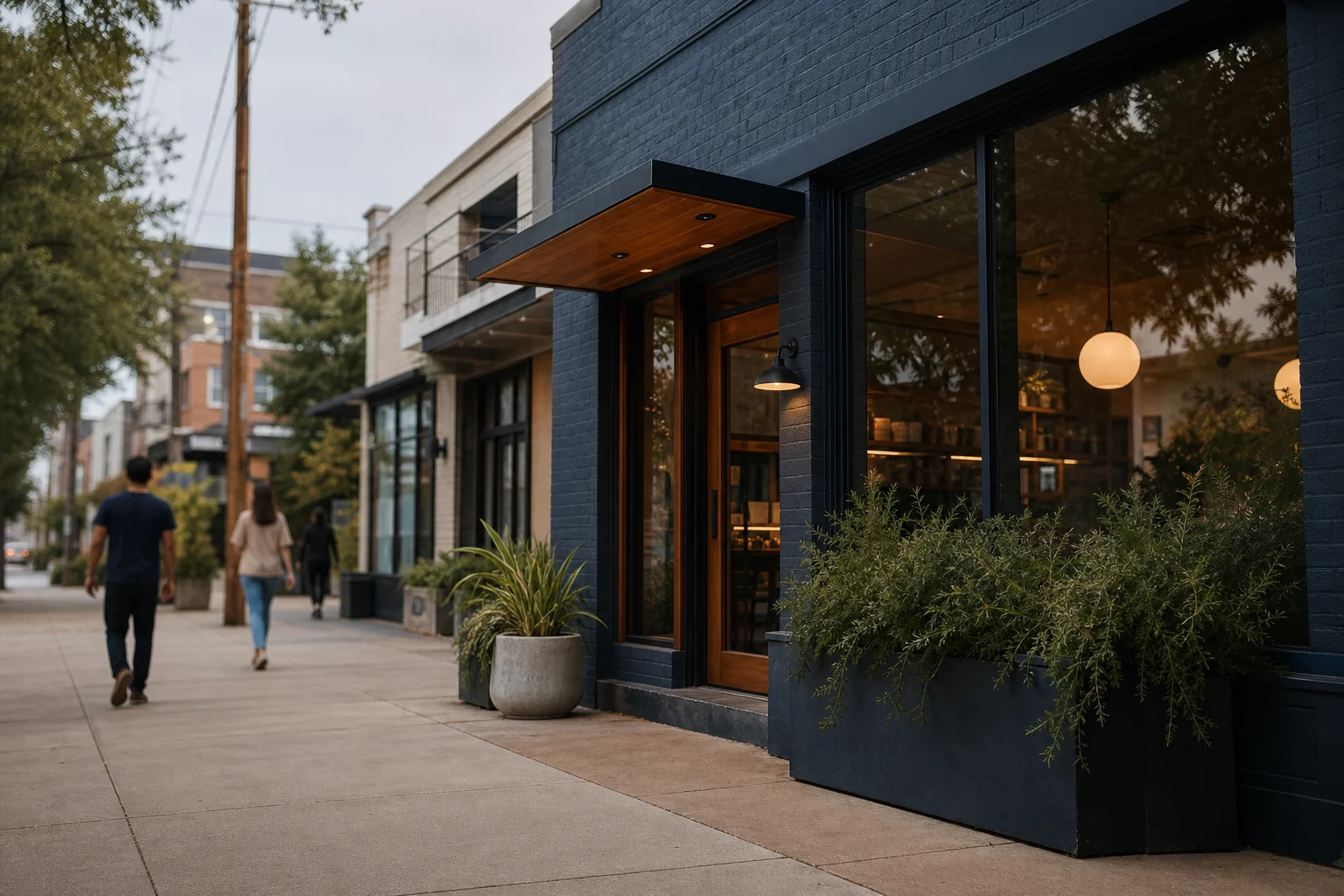
The Permit Stack to Verify
Before signing any lease or making significant investments, founders must verify a comprehensive stack of permits and licenses. This includes city, state, landlord, health, fire, signage, and tax registrations. Each category has specific requirements that vary based on your coffee shop format and location within Denver.
City, State, Landlord, Health, Fire, Signage, and Tax Registrations
City Requirements
Denver's city requirements for coffee shops include basic business registration and zoning compliance. The city has specific regulations for food service establishments that must be verified before opening. Different neighborhoods may have additional requirements, particularly in high-traffic areas like LoDo, RiNo, and Five Points.
State Requirements
Colorado state requirements for coffee shops include sales tax collection and employer identification numbers. State regulations also cover food handling and safety standards that must be met by all food service establishments.
Landlord Requirements
Your landlord will likely have specific requirements for commercial tenants. These may include proof of insurance, business registration, and compliance with building codes. Landlords in premium areas like LoDo may have additional requirements given the high-traffic nature of these locations.
Health Requirements
Health requirements for coffee shops in Denver focus on food safety, sanitation, and proper handling of food products. These requirements are enforced by local health departments and must be met before opening.
Fire Requirements
Fire safety is critical for any food service establishment. Denver's fire requirements include proper fire extinguishers, emergency exits, and compliance with fire codes specific to commercial kitchens.
Signage Requirements
Denver has specific regulations for business signage, including size, placement, and illumination. These requirements vary by neighborhood and building type, particularly in historic districts like LoDo and Five Points.
Tax Registrations
All coffee shops in Denver must register for appropriate tax collections, including sales tax. The city may also have specific business tax requirements that vary by location and business size.
Documents to Collect Before Lease Signing
Before committing to a lease, collect all necessary documents related to permits and licenses. This includes zoning verification, building code compliance, and health department requirements. In high-traffic areas like LoDo, where rent levels are low but competition is strong, thorough due diligence is particularly important.
What Varies by Coffee Shop Format
Different coffee shop formats have varying permit requirements. A small kiosk-style operation will have different needs than a full-service café with seating and food preparation. Drive-thru operations, mobile coffee carts, and coffee shops with alcohol service each have specific requirements that must be verified.
FAQ
What permits do I need for A Coffee Shop in Denver?
Coffee shops in Denver typically require a combination of city business licenses, state tax registrations, health permits, fire safety certifications, and signage approvals. The specific requirements vary based on your shop's size, services offered, and location within the city.
Which Denver neighborhoods are best for coffee shops?
Based on Locavisor neighborhood scoring, the top three areas for coffee shops in Denver are:
- LoDo (Lower Downtown) (8.5/10) — LoDo is Denver's highest-traffic downtown corridor — Union Station, Larimer Square, Coors Field, and a dense office core. Walkability and transit are maxed out, with strong morning and lunch dayparts. Expect roughly $30-50/sqft NNN. The catch: Little Owl Coffee (4.7★, 1,147 reviews) and two Huckleberry Roasters locations already anchor the specialty-coffee scene here.
- RiNo (River North Art District) (7.8/10) — RiNo is Denver's creative-class hub — murals, galleries, breweries, and The Denver Central Market anchor a walkable industrial-chic corridor. Office density is strong with coworking spaces (INDUSTRY Denver, Fabrica RiNo) driving daytime traffic. Expect roughly $30-50/sqft NNN.
- Five Points (7.5/10) — Five Points is Denver's historic jazz corridor along Welton St — walkable, light-rail connected, with strong daytime population from nearby offices and coworking spaces. Expect roughly $20-35/sqft NNN — the most affordable rent tier of the top-ranked areas.
How does competition affect permit requirements?
Competition density doesn't directly affect permit requirements, but it does impact business strategy. In areas like LoDo with established players like Little Owl Coffee and Huckleberry Roasters, new entrants must differentiate their offerings while meeting all standard permit requirements.
What professional advice should I seek before opening?
Before opening a coffee shop in Denver, founders should consult with legal professionals specializing in business licensing, accountants for tax planning, and industry experts for operational guidance. Professional review of your business plan and permit strategy can help identify potential issues before they become costly problems.
How do I verify zoning compliance for my coffee shop location?
Zoning compliance verification should be part of your due diligence process before signing a lease. Denver's zoning regulations specify which business types are permitted in different areas, and this information can typically be obtained through the city's planning department or online resources.
Last reviewed: 2026-05-08
Sources: U.S. Census Bureau ACS, LEHD LODES, Google Places, OpenStreetMap, Locavisor neighborhood scoring.
Methodology: Locavisor scores neighborhoods across demand, competition fit, rent fit, accessibility, and customer match. Scores reflect a snapshot of recent data and should be combined with on-the-ground research before lease decisions.
Disclaimer: This article provides informational content only and does not constitute legal, financial, accounting, or real-estate advice. Verify lease terms, licensing, local regulations, costs, and professional requirements with qualified local professionals before making business decisions.
Free preview shows top 3 neighborhoods. Full $9.99 report covers all 10 areas with personalized scoring + 90-day check-ins.
Informational only. Verify lease, licensing, local regulations, costs, and professional requirements with qualified local professionals.