Detroit, MI · coffee shop
Coffee shop permits Detroit
Opening a coffee shop in Detroit requires navigating a specific set of permits and licenses. The city offers promising market conditions with medium competition density and low rent levels, making it an attractive location for coffee entrepreneurs. Locavisor neighborhood scoring identifies Downtown Detroit as the best area for a coffee shop, with an overall score of 8.0/10.
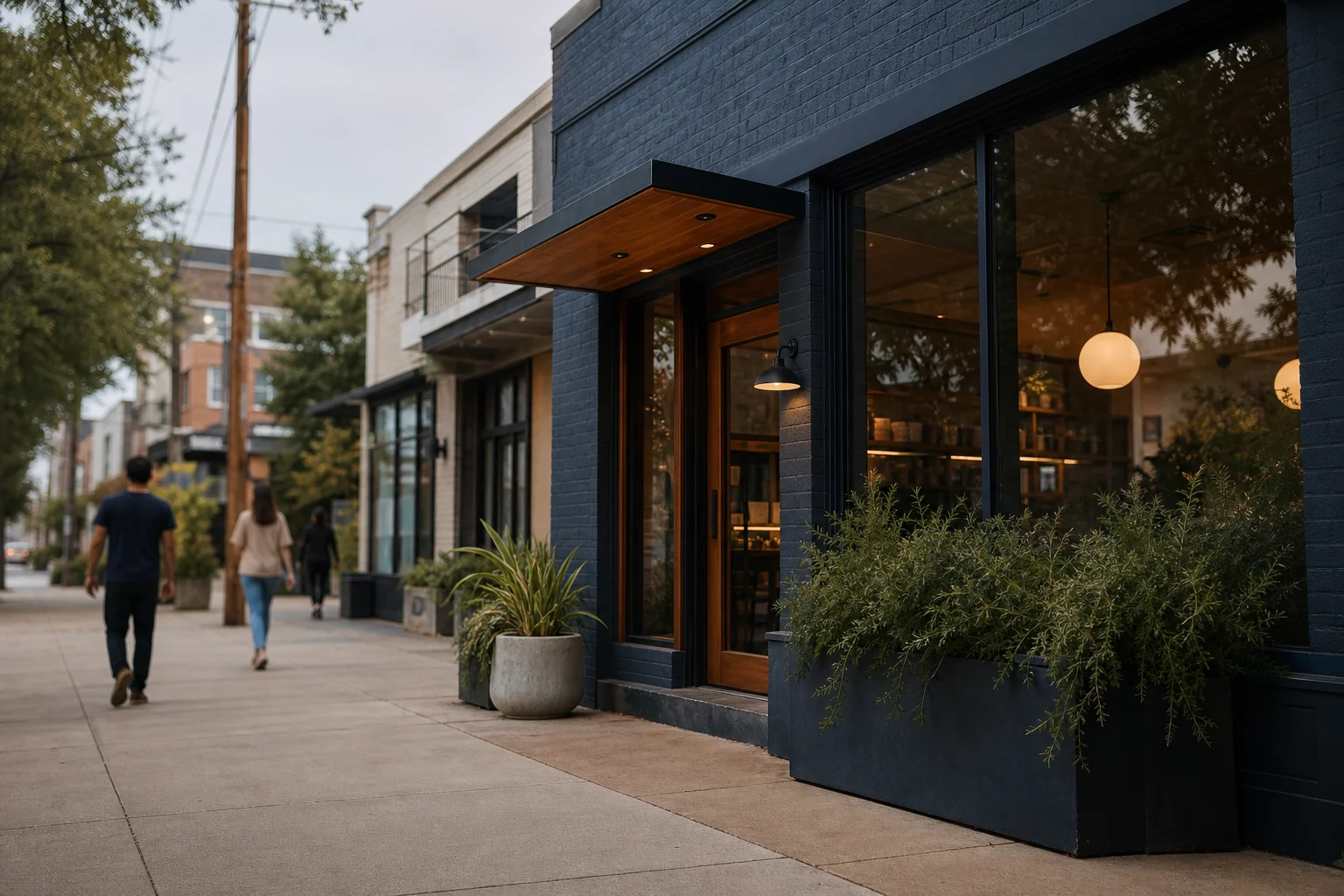
The permit stack to verify
Before signing any lease or making significant investments, verify all required permits and licenses. Detroit's coffee shop permit landscape includes city, state, landlord, health, fire, signage, and tax registrations. Each category has specific requirements that must be addressed before opening your doors. Missing even one permit can delay your opening or result in costly fines.
City, state, landlord, health, fire, signage, and tax registrations
Detroit offers several promising neighborhoods for coffee shop entrepreneurs. Downtown Detroit leads with an 8.0/10 score, anchored by Campus Martius Park, the Guardian Building, and the GM Renaissance Center. This area features city-leading office density with approximately 10,500 weekday workers within 800m and maximum walkability. Rent runs roughly $30-50/sqft NNN, which is workable for a medium-budget operator.
Lafayette Park follows closely with a 7.9/10 score. Located just east of downtown, this Mies van der Rohe-designed residential enclave benefits from strong daytime office density spilling over from the core. Walkability is strong, parking is ample, and rent runs roughly $30-50/sqft NNN.
Greektown rounds out the top three with a 7.7/10 score. This historic entertainment corridor is anchored by Greektown Casino, Pegasus Taverna, and the People Mover station. Walkability is near-ceiling, parking access is maxed out, and rent runs roughly $30-50/sqft NNN. The daytime office population is strong, though the area leans heavily toward evening dining and casino traffic rather than coffee.
For city permits, research Detroit's specific requirements for food service establishments. The city will need to verify your business location complies with zoning regulations. State-level requirements include business registration and sales tax permits. Your landlord may have additional requirements for commercial tenants, especially in historic districts like parts of Downtown Detroit.
Health permits are critical for any food service business. Detroit's health department will inspect your facility to ensure it meets food safety standards. Fire permits verify that your space meets safety codes, particularly important if you plan to install specialized coffee equipment. Signage permits regulate the size, placement, and illumination of your business signs.
Tax registrations include federal, state, and local requirements. You'll need an Employer Identification Number (EIN) from the IRS, a state sales tax permit, and potentially local business taxes. Insurance requirements typically include general liability, property, and workers' compensation coverage.
Documents to collect before lease signing
Before committing to a commercial space, gather all necessary documentation. Verify that the property has the proper zoning for food service operations. Check if the building has passed recent health and safety inspections. Obtain copies of existing certificates of occupancy and any previous inspection reports.
Review your lease agreement carefully for clauses related to permits and inspections. Confirm whether the landlord will handle certain requirements or if you're responsible for obtaining all necessary approvals. Ask about any historical issues with health or fire inspections that might affect your opening timeline.
Research the specific neighborhood requirements for your chosen location. Downtown Detroit, Lafayette Park, and Greektown may have additional regulations due to their historic or commercial nature. Talk to neighboring businesses about their experiences with the permitting process and any challenges they faced.
What varies by coffee shop format
Different coffee shop formats require different permits and licenses. A small counter-service operation will have fewer requirements than a full-service restaurant with seating and alcohol service. Drive-thru locations need additional permits for vehicle access and traffic flow.
If you plan to sell packaged food items beyond coffee and pastries, you may need additional health certifications. Mobile coffee carts have entirely different requirements than brick-and-mortar locations. Consider whether you'll offer outdoor seating, which may require sidewalk café permits.
Seasonal or pop-up coffee shops have temporary permitting requirements. These typically involve shorter approval timelines but may have restrictions on operating hours and locations. Full-time establishments require more comprehensive permitting but offer greater operational flexibility.
FAQ
What permits do I need for A Coffee Shop in Detroit?
Coffee shops in Detroit require multiple permits across different categories. City permits include business licensing and zoning verification. State requirements cover business registration and sales tax collection. Health permits ensure compliance with food service regulations. Fire permits verify safety standards for your equipment and layout. Signage permits regulate your exterior signage. Tax registrations include federal, state, and local business taxes. Your landlord may have additional requirements for commercial tenants.
How long does the permit process take in Detroit?
The timeline for obtaining permits varies based on the specific requirements and current workload of city departments. Some permits may be approved quickly, while others may require inspections and additional documentation. It's advisable to begin the permitting process as early as possible to avoid delays in your opening timeline.
Do I need different permits if I want to serve food?
Yes, serving food beyond pre-packaged items typically requires additional health permits. The specific requirements depend on the type of food preparation you plan to undertake. Full kitchen operations will have more stringent requirements than simple countertop food handling.
Can I apply for permits before finding a location?
Some permits, like business registration and sales tax permits, can be obtained before securing a physical location. However, location-specific permits like zoning verification, health inspections, and fire safety approvals require a physical address. It's best to research general requirements while simultaneously searching for suitable locations.
What happens if I open without all the required permits?
Operating without proper permits can result in fines, forced closure, and legal action. The severity of penalties depends on the specific violations and how long you've been operating without proper authorization. It's always better to complete all permitting requirements before opening your doors to avoid these risks.
Are there any special considerations for historic areas like Downtown Detroit?
Historic districts like parts of Downtown Detroit may have additional requirements for exterior renovations and signage. These areas often have design review boards that must approve changes to building facades. Research any historic preservation requirements that might affect your planned renovations or design elements.
How much do permits and licenses cost in Detroit?
Permit and license fees vary based on the type of business and specific requirements. The costs can range from nominal fees for basic registrations to more substantial costs for specialized permits. It's advisable to budget for these expenses as part of your startup costs.
Do I need professional help with the permitting process?
While many permits can be obtained through the city's online portal, the process can be complex. Consider consulting with a business attorney or permit expeditor who specializes in Detroit's requirements. Professional help can save time and ensure you don't miss any critical steps in the process.
Last reviewed: 2026-05-08
Sources: U.S. Census Bureau ACS, LEHD LODES, Google Places, OpenStreetMap, Locavisor neighborhood scoring.
Methodology: Locavisor scores neighborhoods across demand, competition fit, rent fit, accessibility, and customer match. Scores reflect a snapshot of recent data and should be combined with on-the-ground research before lease decisions.
Disclaimer: This article provides informational content only and does not constitute legal, financial, accounting, or real-estate advice. Verify lease terms, licensing, local regulations, costs, and professional requirements with qualified local professionals before making business decisions.
Free preview shows top 3 neighborhoods. Full $9.99 report covers all 10 areas with personalized scoring + 90-day check-ins.
Informational only. Verify lease, licensing, local regulations, costs, and professional requirements with qualified local professionals.