Houston, TX · coffee shop
Coffee shop permits Houston
Opening a coffee shop in Houston requires navigating a complex web of permits and licenses. The coffee shop permits Houston process can be overwhelming for new founders. This checklist breaks down the essential compliance requirements to help you prepare for your coffee shop launch.
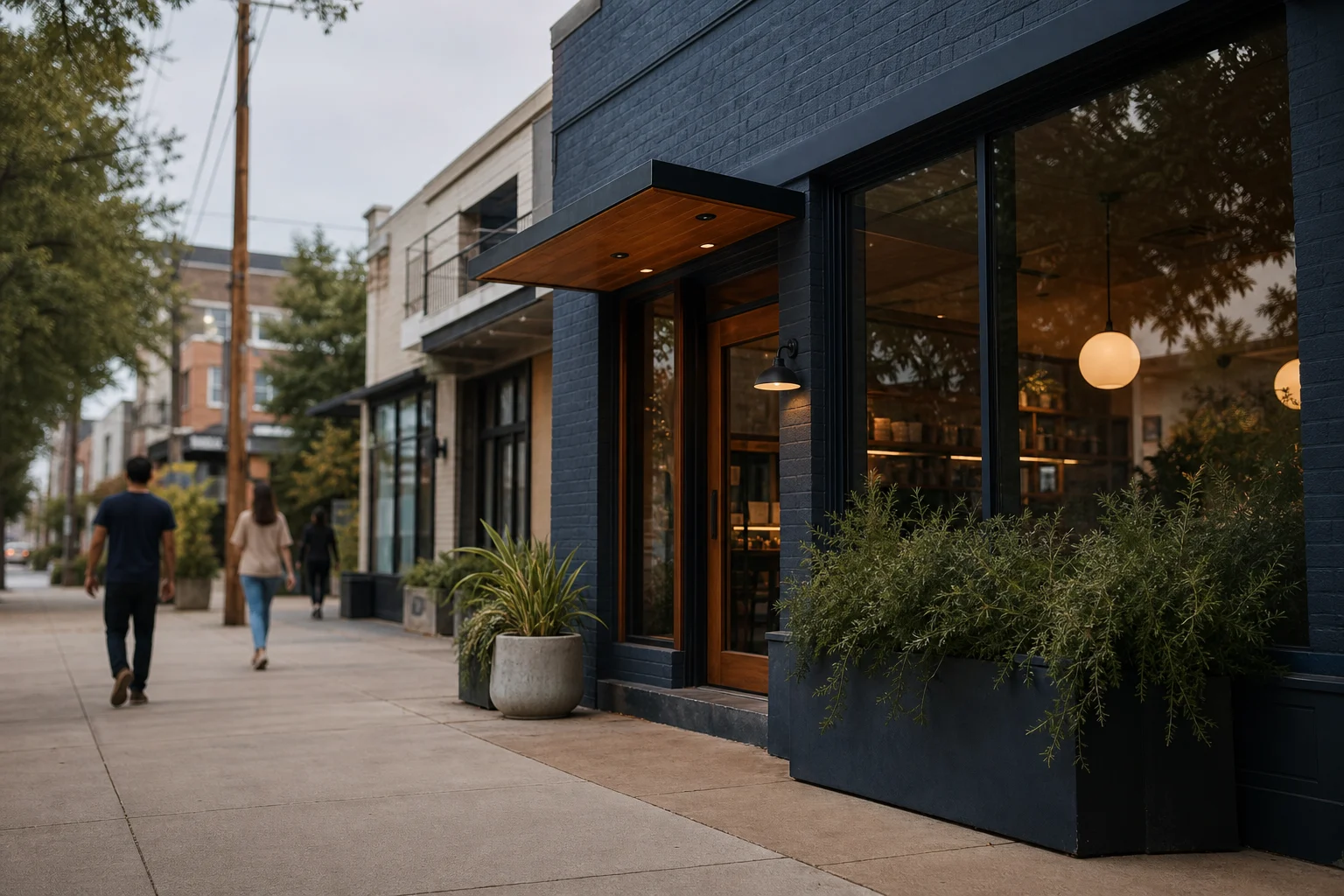
The permit stack to verify
Before signing a lease or investing in build-out, verify your compliance requirements. The permit stack includes city, state, landlord, health, fire, signage, and tax registrations. Each category has specific requirements that vary by location and business format. Missing even one permit can delay your opening or result in costly fines.
City, state, landlord, health, fire, signage, and tax registrations
City requirements
Houston requires all businesses to obtain a general business operating permit. This basic registration allows you to operate legally within city limits. The city may also have specific zoning requirements for food service establishments. Verify that your chosen location is zoned for food service operations before committing to a lease.
State requirements
Texas requires all food service businesses to obtain a food establishment permit from the Texas Department of State Health Services. This permit ensures your operation meets state health and safety standards. You'll also need a sales tax permit to collect and remit sales tax on your products.
Landlord requirements
Your lease agreement may contain specific requirements related to your business operations. Review your lease carefully for clauses about signage, hours of operation, and maintenance responsibilities. Some landlords require additional insurance or security deposits for food service tenants.
Health requirements
Health permits are critical for any food service business. Houston's health department will inspect your facility to ensure compliance with food safety standards. This includes proper storage, preparation, and serving of food and beverages. The inspection will cover everything from handwashing facilities to pest control measures.
Fire requirements
Fire safety is paramount for any commercial food service operation. Your building must meet fire code requirements including proper exits, fire extinguishers, and sprinkler systems. The fire department will inspect your facility before you open to ensure compliance with safety standards.
Signage requirements
Houston has specific regulations regarding business signage. These regulations cover size, placement, and illumination of signs. Your signage must comply with both city ordinances and any homeowner association restrictions if your location is in a planned development.
Tax registrations
In addition to your state sales tax permit, you'll need to register for federal and state employer identification numbers if you plan to hire employees. You may also need specific tax registrations for your business structure (corporation, LLC, sole proprietorship).
Documents to collect before lease signing
Before committing to a commercial space, collect these essential documents:
- Zoning verification - Confirm the property is zoned for food service operations
- Building permits - Verify the building has all necessary permits for its current use
- Health inspection reports - Review any previous health inspection reports for the space
- Fire inspection reports - Check the building's compliance with fire safety codes
- Certificate of occupancy - Ensure the space has a valid certificate of occupancy
- Lease restrictions - Review your lease for any restrictions on business operations
- Parking requirements - Verify adequate parking for your expected customer volume
Gathering these documents upfront can prevent costly surprises during your build-out and inspection process.
What varies by coffee shop format
Your coffee shop format significantly impacts your permit requirements:
Drive-thru operations
Drive-thru coffee shops require additional permits for vehicle access and traffic flow. You'll need to verify adequate space for vehicle queuing and proper ingress/egress points. Drive-thru operations may also have specific health requirements for window service areas.
Full-service restaurants
Coffee shops that serve full meals face more stringent health and safety requirements. These operations typically require more extensive kitchen facilities and equipment. The health department will conduct more thorough inspections for establishments serving potentially hazardous foods.
Retail coffee shops
Retail-focused coffee shops with minimal food preparation have fewer health requirements. These operations typically focus on pre-packaged items and simple beverage preparation. However, they still require all basic business and health permits.
Mobile coffee operations
Mobile coffee carts and trucks have different permit requirements than fixed locations. These operations need permits for mobile food vending and may have restrictions on where they can operate. Mobile vendors must also ensure their equipment meets health and safety standards.
FAQ
What permits do I need for A Coffee Shop in Houston?
You'll need several types of permits to open a coffee shop in Houston. These include a general business operating permit from the city, a food establishment permit from the state, and potentially additional permits based on your specific business format. You'll also need health and fire department approvals, proper signage permits, and tax registrations. The exact requirements depend on your location, business format, and specific operations.
Top Houston neighborhoods for coffee shops
Based on Locavisor neighborhood scoring, here are the top three areas for coffee shops in Houston:
Energy Corridor (7.0/10)
Top-ranked area built around the I-10 energy corridor office cluster — Conoco, Shell, BP campuses drive strong weekday lunch demand. Rent is moderate for Houston at roughly $20-35/sqft NNN. Transit access is near-zero; you'll need ample parking for a car-dependent suburban office cluster. Evening and late-night potential is thin — this is a breakfast-and-lunch play.
Greenway Plaza / Upper Kirby (6.9/10)
Kirby Drive / Westheimer intersection with strong daytime population density and good walkability. Rent runs roughly $30-50/sqft NNN — a neighborhood corridor price point. Multiple coffee incumbents including Luce Avenue Coffee Roasters (4.4★, 931 reviews) and Greenway Coffee & Tea (4.6★, 98 reviews) plus three Starbucks within 800m. Differentiation is essential.
Galleria / Uptown (6.8/10)
The Galleria / Uptown corridor is Houston's premium retail zone with maxed-out daytime population and office density. Rent runs roughly $45-70/sqft NNN — a strong urban corridor price point. Heavy coffee saturation including a 2,946-review Starbucks, Bluestone Lane, PJ's Coffee, and Noix Bakery & Coffee. High ceiling but high cost of entry.
Each neighborhood offers unique advantages and challenges for coffee shop entrepreneurs. Consider your business model, target market, and budget when selecting a location.
Last reviewed: 2026-05-07
Sources: U.S. Census Bureau ACS, LEHD LODES, Google Places, OpenStreetMap, Locavisor neighborhood scoring.
Methodology: Locavisor scores neighborhoods across demand, competition fit, rent fit, accessibility, and customer match. Scores reflect a snapshot of recent data and should be combined with on-the-ground research before lease decisions.
Disclaimer: This article provides informational content only and does not constitute legal, financial, accounting, or real-estate advice. Verify lease terms, licensing, local regulations, costs, and professional requirements with qualified local professionals before making business decisions.
Free preview shows top 3 neighborhoods. Full $9.99 report covers all 10 areas with personalized scoring + 90-day check-ins.
Informational only. Verify lease, licensing, local regulations, costs, and professional requirements with qualified local professionals.