San Diego, CA · coffee shop
Coffee shop permits San Diego
Opening a coffee shop in San Diego requires navigating a complex web of permits and licenses. This guide provides a founder-facing checklist to help you verify compliance requirements across city, state, landlord, health, fire, signage, and tax categories. Understanding these requirements early can prevent costly delays and ensure your coffee shop opens smoothly.
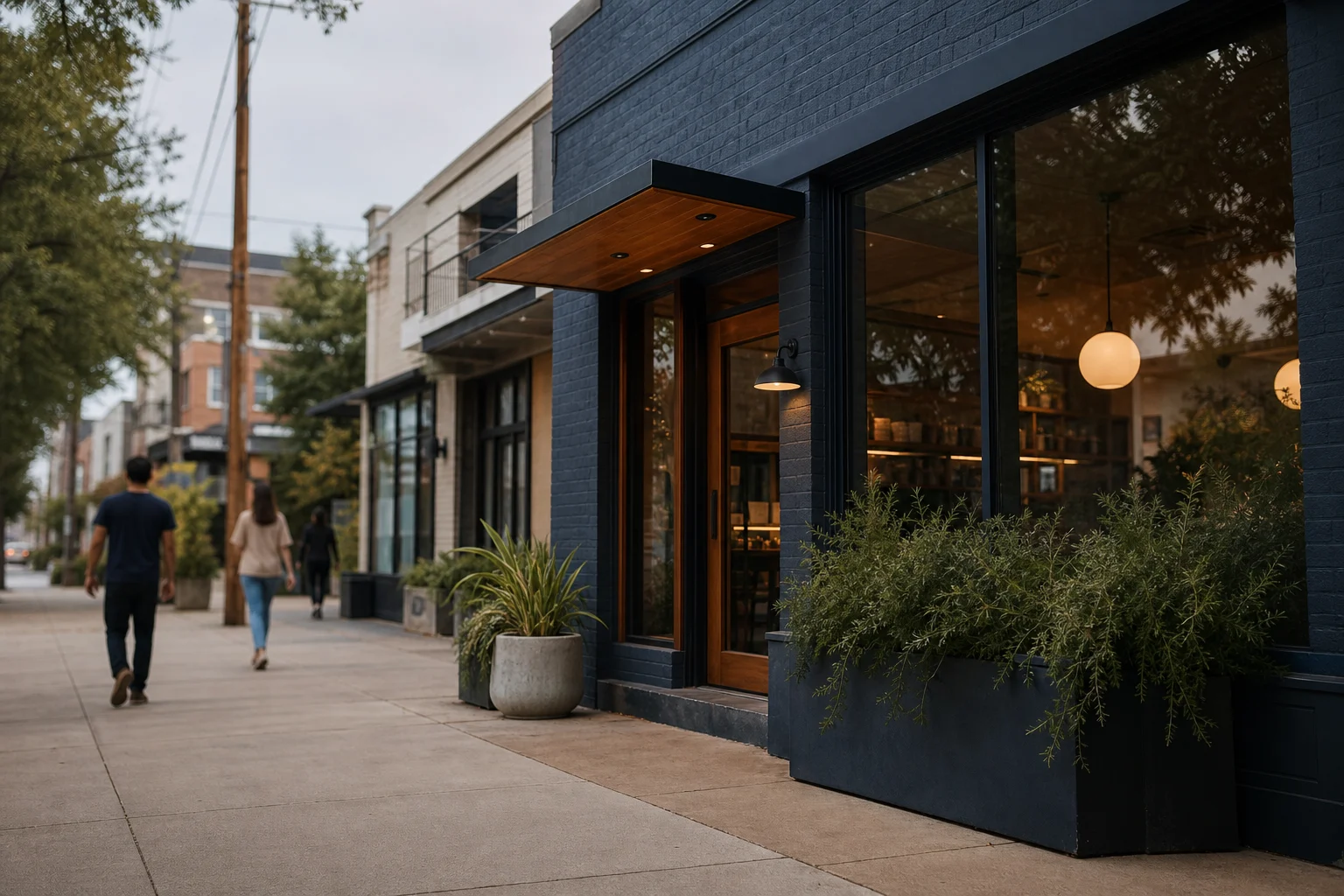
The permit stack to verify
Before signing any lease or making significant investments, verify all required permits and licenses. San Diego offers promising opportunities for coffee shops, particularly in University City / UTC (8.8/10), Little Italy (7.0/10), and Downtown / Gaslamp Quarter (6.9/10). Each area presents unique advantages and challenges that may affect your permit requirements.
This checklist serves as a qualitative verification tool. It does not replace legal advice from qualified professionals who can provide guidance specific to your business model and location.
City, state, landlord, health, fire, signage, and tax registrations
City requirements typically include business tax certificates and zoning compliance checks. Verify that your intended location is properly zoned for food service operations. San Diego's municipal code has specific requirements for commercial food establishments that must be met before opening.
State-level registrations usually involve sales tax permits and employer identification numbers. California requires all businesses selling taxable goods to register for a seller's permit. Additionally, if you plan to hire employees, you'll need to register with the Employment Development Department.
Landlord requirements often include proof of insurance and compliance with building codes. Before signing a lease, ensure your landlord provides documentation confirming the space meets all health and safety standards. Some leases may require additional approvals from property management associations.
Health department permits are critical for any food service establishment. These typically involve inspections of food preparation areas, storage facilities, and employee hygiene practices. San Diego County Environmental Health Department oversees these requirements.
Fire safety compliance involves ensuring your space meets fire code requirements. This includes proper exits, fire suppression systems, and electrical safety standards. The San Diego Fire-Rescue Department conducts inspections to verify compliance.
Signage permits regulate the size, placement, and illumination of business signs. San Diego has specific ordinances governing commercial signage that must be followed to avoid fines and removal orders.
Tax registrations include federal, state, and local tax obligations. Beyond sales tax, you may need to register for business tax at the city level. Keep thorough records of all tax filings to maintain compliance.
Documents to collect before lease signing
Before committing to a commercial space, collect and review all relevant documentation. This includes zoning verification letters, building permits, and health department approvals for previous food establishments in the space.
Verify that the property has adequate utilities and infrastructure to support your coffee shop operations. This includes water capacity, electrical supply, ventilation systems, and waste disposal capabilities.
Review any existing certificates of occupancy and ensure they remain valid. If modifications are needed to accommodate your business model, factor the time and cost of obtaining updated permits into your planning.
What varies by coffee shop format
Different coffee shop formats may have varying requirements based on their operations. Full-service cafes with extensive food menus may face more stringent health department regulations than coffee-only establishments.
University City / UTC (8.8/10) presents the highest-demand opportunity for specialty coffee concepts, but with rent running roughly $45-70/sqft NNN and established competition including Blue Bottle, La Colombe, Peet's, and two Starbucks within a few blocks.
Little Italy (7.0/10) offers a walkable historic corridor with strong evening energy and a Saturday farmers market. Rent is moderate at roughly $30-50/sqft NNN, but you'd enter a market with Bird Rock, Lofty, James Coffee, Mostra, and Portal already established.
Downtown / Gaslamp Quarter (6.9/10) provides high daytime population density with strong evening and late-night energy anchored by Petco Park. Rent runs roughly $30-50/sqft NNN, but coffee saturation is high with Spill the Beans, Achilles, Blue Bottle, Goldchild, and two Starbucks within walking distance.
Drive-thru operations may require additional permits for vehicle access and traffic flow. Mobile coffee shops face unique licensing requirements that differ from traditional brick-and-mortar establishments.
FAQ
What permits do I need for A Coffee Shop in San Diego?
Coffee shops in San Diego typically require city business tax certificates, state seller's permits, health department food facility permits, fire safety certifications, and signage permits. Additional requirements may apply based on your specific business model and location.
How long does the permit process take in San Diego?
Processing times vary depending on the type of permits and current workloads. Some permits may be approved within weeks, while others could take several months. Starting the process early is recommended to avoid delays in your opening timeline.
Do I need different permits if I plan to serve food?
Yes, serving food typically requires additional health department permits and may involve more frequent inspections. The specific requirements depend on the type of food preparation and service you plan to offer.
Can I apply for permits before finding a location?
Some permits, like state tax registrations, can be obtained before securing a location. However, location-specific permits like health and fire certifications require a physical address and must be applied for after you've secured your space.
What happens if I open without proper permits?
Operating without required permits can result in fines, closure orders, and legal action. In severe cases, you may be prohibited from obtaining permits in the future. Always ensure all required permits are in place before opening your coffee shop.
Do I need professional help with permits?
While this checklist provides a general overview, consulting with professionals familiar with San Diego's requirements is highly recommended. An attorney, business consultant, or permit expeditor can help navigate the specific requirements for your situation.
Last reviewed: 2026-05-07
Sources: U.S. Census Bureau ACS, LEHD LODES, Google Places, OpenStreetMap, Locavisor neighborhood scoring.
Methodology: Locavisor scores neighborhoods across demand, competition fit, rent fit, accessibility, and customer match. Scores reflect a snapshot of recent data and should be combined with on-the-ground research before lease decisions.
Disclaimer: This article provides informational content only and does not constitute legal, financial, accounting, or real-estate advice. Verify lease terms, licensing, local regulations, costs, and professional requirements with qualified local professionals before making business decisions.
Free preview shows top 3 neighborhoods. Full $9.99 report covers all 10 areas with personalized scoring + 90-day check-ins.
Informational only. Verify lease, licensing, local regulations, costs, and professional requirements with qualified local professionals.