San Jose, CA · coffee shop
Coffee shop permits San Jose
Opening a coffee shop in San Jose requires navigating a complex web of permits and licenses. Understanding the coffee shop permits San Jose requires is crucial for any founder looking to establish a successful business in this promising market. The city's diverse neighborhoods offer different opportunities and challenges, from the bustling Downtown San Jose to the affluent Santana Row / Valley Fair area. Each location comes with its own regulatory landscape that you'll need to master before opening your doors.
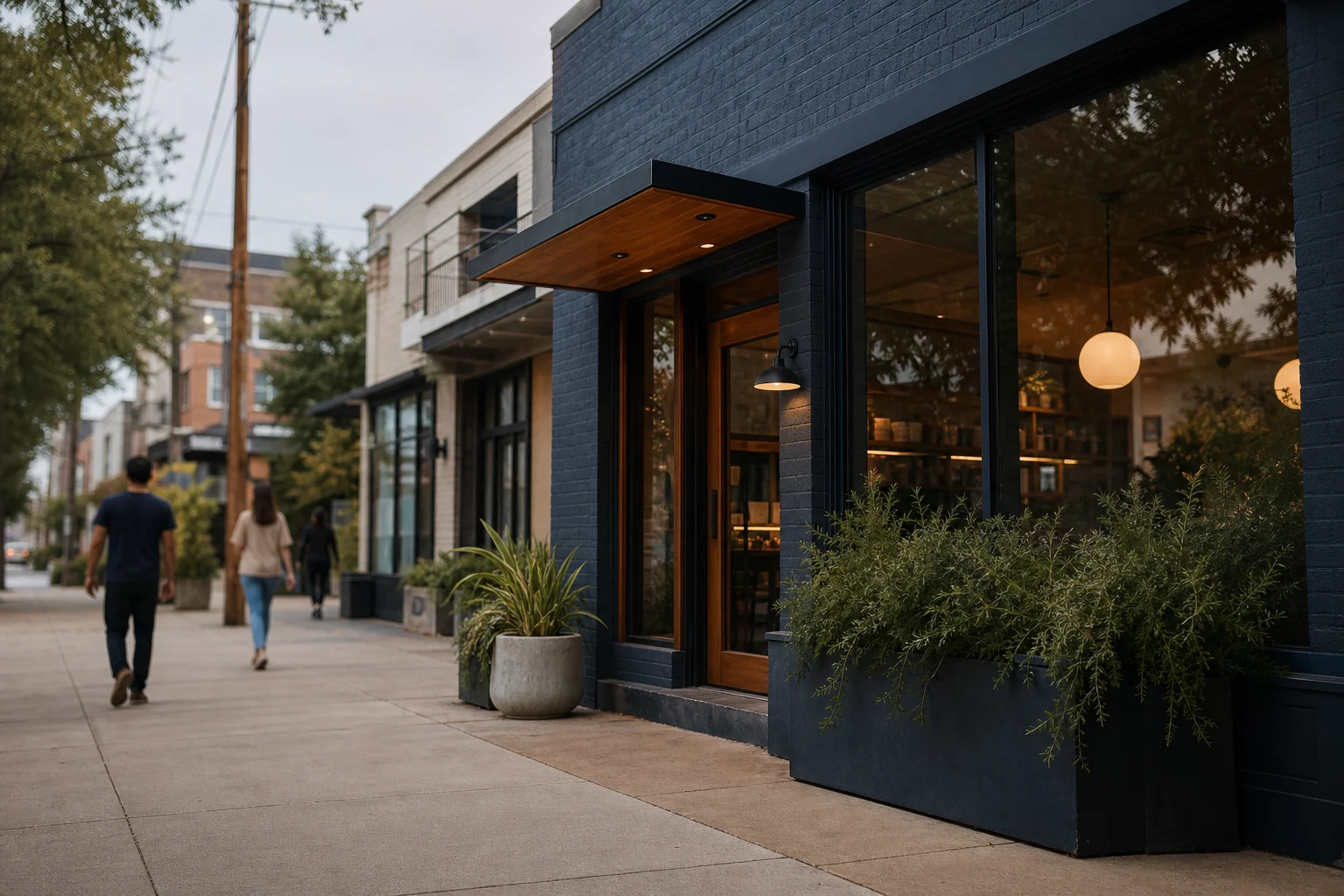
The permit stack to verify
Before signing any lease or committing to a location, founders must verify the complete permit stack required for their coffee shop operation. This includes city business licenses, state tax registrations, health department permits, fire safety certifications, and potentially many more depending on your specific business model. The process can seem daunting, but breaking it down into manageable categories makes it more approachable. San Jose's market temperature is promising with medium competition density and low rent levels, making it an attractive location for coffee entrepreneurs.
City, state, landlord, health, fire, signage, and tax registrations
City permits and licenses
San Jose requires all businesses to obtain a basic business license before operating. This is your foundation for compliance. The city also regulates signage, which is particularly important for a coffee shop where visibility can drive foot traffic. Depending on your location, you may need additional permits:
Downtown San Jose (7.3/10) — San Jose's CBD anchored by SJSU, Adobe HQ, and SAP Center. Strong daytime office-worker and student traffic with walkability near ceiling. Expect roughly $45-70/sqft NNN. ~10,500 weekday lunch workers within 800m.
Santana Row / Valley Fair (6.7/10) — Premium retail corridor anchored by Westfield Valley Fair and Santana Row. Affluent customer base with office density from nearby tech campuses. Expect roughly $45-70/sqft NNN. Blue Bottle Coffee (4.1★, 958 reviews) and two Starbucks within 300m create a saturated coffee landscape. High foot traffic but high rent and fierce brand-name competition make this a tough play for a medium-budget indie.
Naglee Park / SJSU area (6.3/10) — Historic district adjacent to SJSU with strong student and residential density. No direct coffee competitors found within the search radius — a notable gap. Expect roughly $45-70/sqft NNN. ~8,000 potential repeat households within 800m. Student index is strong but office-worker daytime traffic is weak, so revenue skews toward afternoon/evening study sessions and weekend brunch.
State requirements
California mandates several state-level registrations for food service businesses. These include seller's permits for collecting sales tax, employer identification numbers if you plan to hire staff, and potentially specific food handler certifications. The state also regulates certain aspects of food preparation and safety that go beyond local health department requirements.
Landlord approvals
Before city or state permits come landlord approvals. Your lease should specify any requirements or restrictions imposed by the property owner. Some landlords may have their own application processes or requirements that must be satisfied before you can begin renovations. In San Jose's competitive market, securing favorable lease terms with minimal restrictions can give your coffee shop a significant advantage.
Health department permits
Food service businesses face the most rigorous health department requirements. Coffee shops must pass inspections covering food storage, preparation areas, equipment sanitation, and employee hygiene. The specific requirements will depend on your menu offerings—whether you're serving pre-packaged items only or preparing complex food items on-site. Downtown San Jose's high foot traffic location might require more stringent health compliance due to increased scrutiny.
Fire safety certifications
Your coffee shop will need fire safety inspections and certifications. This includes proper fire extinguisher placement, emergency exit requirements, and potentially fire suppression systems depending on your size and layout. The fire department will inspect your premises before granting certification, so plan accordingly in your renovation timeline.
Signage regulations
San Jose has specific regulations regarding signage, including size, placement, and illumination. These rules vary by zoning district, so what works in one location may not be permitted in another. Your signage permit application should include detailed specifications of your proposed signs to avoid delays or rejections.
Tax registrations
Beyond the basic business license, you'll need to register for various tax obligations. This includes sales tax collection, employee withholding taxes if you hire staff, and potentially business property tax depending on your lease structure. Keeping accurate records is essential for compliance and avoiding penalties.
Documents to collect before lease signing
Before committing to a commercial space, gather these essential documents:
- Zoning verification confirming your intended use is permitted
- Building code compliance history for the property
- Health department inspection reports for previous food tenants
- Fire safety certification status
- Signage regulations specific to the location
- Property tax information
- Landlord requirements for build-out and renovations
- Utility capacity information for your specific needs
Having these documents in hand before signing a lease can prevent costly surprises and delays later in the process. The rent level in San Jose is relatively low at $45-70/sqft NNN, but unexpected compliance issues could quickly erode those savings.
What varies by coffee shop format
Different coffee shop formats require different permits and licenses. A simple espresso cart has different requirements than a full-service café with food preparation. Consider how your business model impacts your compliance needs:
- Drive-thru operations may require additional permits for vehicle access and traffic flow
- Coffee shops serving alcohol need separate liquor licenses
- Businesses with outdoor seating must comply with additional health and safety regulations
- Roasteries may need special ventilation or environmental permits
- Franchise operations must comply with both corporate and local requirements
The competition density in San Jose is medium, meaning there's room for differentiation but also a need to stand out through both your offerings and compliance excellence.
FAQ
What permits do I need for A Coffee Shop in San Jose?
You'll need a basic business license from the city, state tax registration, health department permits, fire safety certifications, and potentially signage permits. Additional requirements may apply depending on your specific business model, location, and offerings.
How long does the permit process take in San Jose?
Processing times vary depending on the type of permit and current application volumes. Simple business licenses may be issued quickly, while health department approvals can take several weeks. Always build extra time into your opening timeline for unexpected delays.
Do I need different permits for different neighborhoods in San Jose?
Yes, zoning regulations and specific requirements can vary by neighborhood. The Downtown San Jose area has different considerations than Santana Row / Valley Fair or Naglee Park / SJSU area. Always verify requirements for your specific location.
Can I apply for permits before finding a location?
Some permits, like state tax registration, can be obtained before securing a location. However, most location-specific permits require you to have an identified address. The landlord approvals must come after you've identified a potential space.
What happens if I open without proper permits?
Operating without required permits can result in fines, forced closure, and difficulty obtaining permits in the future. Always complete all necessary registrations before opening your doors to avoid these risks.
How much do permits cost for a coffee shop in San Jose?
Permit fees vary depending on the type of permit and your business size. Basic business license fees are typically based on gross receipts, while health department fees may be based on facility size. Always budget for these costs when planning your startup expenses.
The market temperature in San Jose is promising with a score confidence of 78% according to Locavisor neighborhood scoring. By understanding and properly addressing all permit requirements, you can position your coffee shop for success in this dynamic market.
Last reviewed: 2026-05-07
Sources: U.S. Census Bureau ACS, LEHD LODES, Google Places, OpenStreetMap, Locavisor neighborhood scoring.
Methodology: Locavisor scores neighborhoods across demand, competition fit, rent fit, accessibility, and customer match. Scores reflect a snapshot of recent data and should be combined with on-the-ground research before lease decisions.
Disclaimer: This article provides informational content only and does not constitute legal, financial, accounting, or real-estate advice. Verify lease terms, licensing, local regulations, costs, and professional requirements with qualified local professionals before making business decisions.
Free preview shows top 3 neighborhoods. Full $9.99 report covers all 10 areas with personalized scoring + 90-day check-ins.
Informational only. Verify lease, licensing, local regulations, costs, and professional requirements with qualified local professionals.