Seattle, WA · coffee shop
Coffee shop permits Seattle
Opening a coffee shop in Seattle requires navigating a complex web of permits and licenses. Understanding coffee shop permits Seattle is essential for any founder looking to establish a successful business in this competitive market. The right location can make all the difference, and Seattle offers several promising neighborhoods for coffee entrepreneurs.
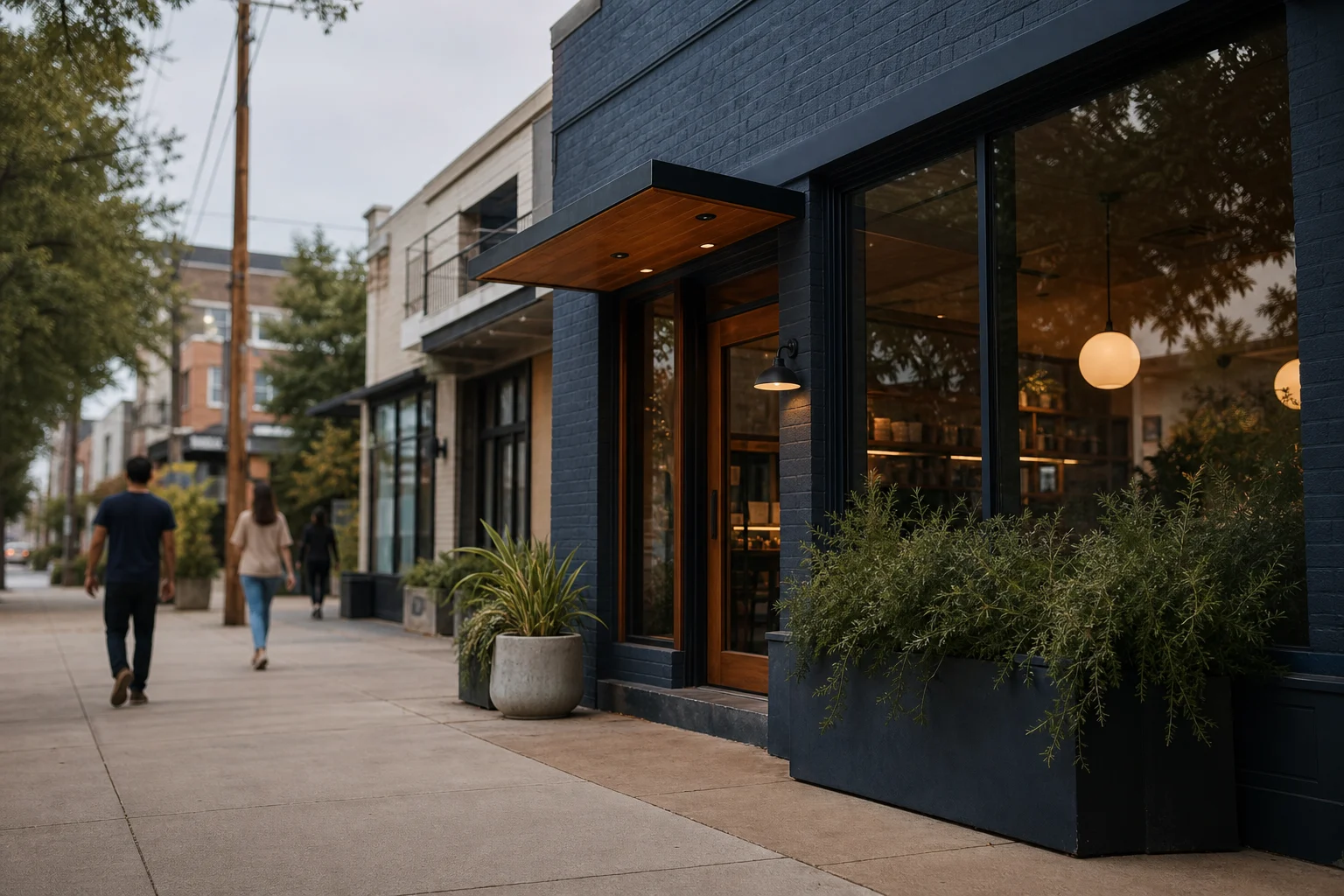
The Permit Stack to Verify
Before signing any lease or making significant investments, founders must verify the complete permit stack required for their coffee shop operation. This includes city business licenses, state tax registrations, landlord approvals, health department permits, fire safety inspections, signage compliance, and various tax registrations. Each category has specific requirements that must be addressed before opening day.
Seattle's coffee shop scene is competitive, with market temperature rated as promising. Founders should consider neighborhoods with the right balance of competition density and customer base. Locavisor neighborhood scoring identifies Eastlake / Cascade (7.8/10) as the strongest bet, with maxed-out office density from Amazon and Fred Hutch anchors creating a massive weekday coffee crowd. Expect roughly $30-50/sqft NNN rent, which is manageable for a medium-budget operator. Approximately 10,500 daytime workers within 800m create a reliable lunch-rush base.
City, State, Landlord, Health, Fire, Signage, and Tax Registrations
City Requirements
Seattle requires all businesses to obtain a city business license before operating. This basic registration allows you to legally conduct business within city limits. The application process typically involves verifying your business location and structure. Coffee shop founders should budget time for this essential step, as it forms the foundation of your compliance framework.
State Requirements
Washington State mandates specific registrations for food service businesses. These include basic business registration and industry-specific certifications. State requirements often involve tax collection responsibilities, particularly for food and beverage sales. Founders should understand their obligations regarding sales tax remittance and employee taxes.
Landlord Requirements
Before signing a commercial lease, verify all landlord requirements for your coffee shop space. This includes understanding any restrictions on business hours, equipment installation, or modifications to the space. Some landlords may require additional approvals beyond the standard city permits, particularly for food service operations.
Health Department Requirements
Food service establishments must comply with health department regulations. These typically cover food handling, storage, preparation, and service standards. Inspections will verify compliance with sanitation requirements and food safety protocols. Coffee shops must demonstrate proper procedures for handling both food items and beverages.
Fire Safety Requirements
Seattle's fire department has specific requirements for commercial food service establishments. These include proper fire suppression systems, emergency exits, and equipment placement. Coffee shops must ensure their layout meets all fire safety codes and can accommodate emergency evacuation procedures.
Signage Requirements
Signage regulations in Seattle govern the size, placement, and illumination of business signs. Coffee shop founders should understand the rules for exterior signage, particularly in historic districts or commercial zones with specific character guidelines. Some neighborhoods may have additional restrictions on signage types and visibility.
Tax Registrations
Beyond basic business licensing, coffee shops must register for various tax accounts. This includes sales tax for retail transactions, employer taxes if hiring staff, and potentially business and occupation taxes. Proper tax registration ensures compliance with state and local revenue requirements.
Documents to Collect Before Lease Signing
Before committing to a commercial lease, gather all necessary documentation to verify compliance requirements. This includes zoning verification confirming your intended use is permitted at the location. Obtain a copy of the property's certificate of occupancy, which verifies the building meets safety standards.
Review any existing health or fire department permits for the space, particularly if previous food service operations were conducted. Check for any outstanding code violations or compliance issues that might affect your opening timeline. Verify utility capacity for your specific equipment needs, particularly water, gas, and electrical requirements for coffee shop operations.
Consider obtaining a preliminary environmental assessment if the building has a history of commercial food service. This can identify potential issues that might affect your health department compliance. Document all existing conditions and improvements to avoid disputes during lease negotiations.
What Varies by Coffee Shop Format
Permit requirements can vary significantly based on your coffee shop format. A full-service restaurant with food preparation will face more stringent health department requirements than a simple coffee kiosk. Drive-thru operations may have additional signage and traffic flow considerations.
Coffee shops serving alcohol will require additional permits beyond standard food service operations. These may include separate liquor licenses and enhanced security requirements. Late-night operations may have additional noise and hour restrictions depending on the neighborhood.
Mobile coffee carts face different regulatory requirements than fixed-location establishments. These may include specific health department regulations for mobile food service and additional parking or placement restrictions. Seasonal operations may have simplified permitting processes but should verify requirements for temporary business activities.
Seattle's top neighborhoods offer different advantages for coffee shop entrepreneurs. Capitol Hill (7.6/10) is Seattle's densest F&B corridor with near-ceiling walkability and a maxed-out daytime population. The light rail station drops commuters at your doorstep, but expect higher rent of roughly $45-70/sqft NNN, which is at the upper edge of medium-budget comfort.
Madrona / Leschi (7.5/10) offers a quieter, affluent residential pocket along Lake Washington with a small but loyal commercial node at 34th Ave & Cherry. This area has the most affordable rent of the top-ranked options at roughly $30-50/sqft NNN. Approximately 8,000 potential repeat households within 800m create a solid customer base, though car access is limited and parking is challenging.
FAQ
What permits do I need for A Coffee Shop in Seattle?
Coffee shops in Seattle typically require a city business license, state business registration, health department permits for food service, fire safety certifications, and appropriate signage approvals. Additional requirements may apply based on your specific business model, such as alcohol service or extended hours. Always verify current requirements with local authorities before opening.
How long does the permit process take?
The permit timeline varies based on your specific location and business model. Simple coffee shops may complete basic licensing in a few weeks, while establishments with food preparation or alcohol service may require several months. Starting the process early and maintaining clear communication with regulatory agencies can help streamline approvals.
Can I operate while waiting for permits?
Seattle generally prohibits business operations before obtaining all required permits. Operating without proper licensing can result in fines, closure orders, and difficulty obtaining permits in the future. Plan your timeline to allow sufficient processing time before your intended opening date.
What are the most common permit violations for coffee shops?
Common violations include improper food storage temperatures, inadequate handwashing facilities, missing or expired licenses, improper waste disposal, and failure to maintain required documentation. Regular self-inspections and staff training can help prevent these issues during official inspections.
Do I need different permits for outdoor seating?
Outdoor seating typically requires additional permits beyond your basic coffee shop license. These may include sidewalk use permits, outdoor furniture approvals, and sometimes separate health department inspections for outdoor service areas. Requirements vary by neighborhood and specific location characteristics.
Last reviewed: 2026-05-08
Sources: U.S. Census Bureau ACS, LEHD LODES, Google Places, OpenStreetMap, Locavisor neighborhood scoring.
Methodology: Locavisor scores neighborhoods across demand, competition fit, rent fit, accessibility, and customer match. Scores reflect a snapshot of recent data and should be combined with on-the-ground research before lease decisions.
Disclaimer: This article provides informational content only and does not constitute legal, financial, accounting, or real-estate advice. Verify lease terms, licensing, local regulations, costs, and professional requirements with qualified local professionals before making business decisions.
Free preview shows top 3 neighborhoods. Full $9.99 report covers all 10 areas with personalized scoring + 90-day check-ins.
Informational only. Verify lease, licensing, local regulations, costs, and professional requirements with qualified local professionals.