Washington, DC · coffee shop
Coffee shop permits Washington
Opening a coffee shop in Washington requires navigating a complex web of permits and licenses. Understanding coffee shop permits Washington is essential for any founder looking to establish a successful business in the nation's capital. The District's regulatory environment demands careful attention to compliance requirements across multiple jurisdictions.
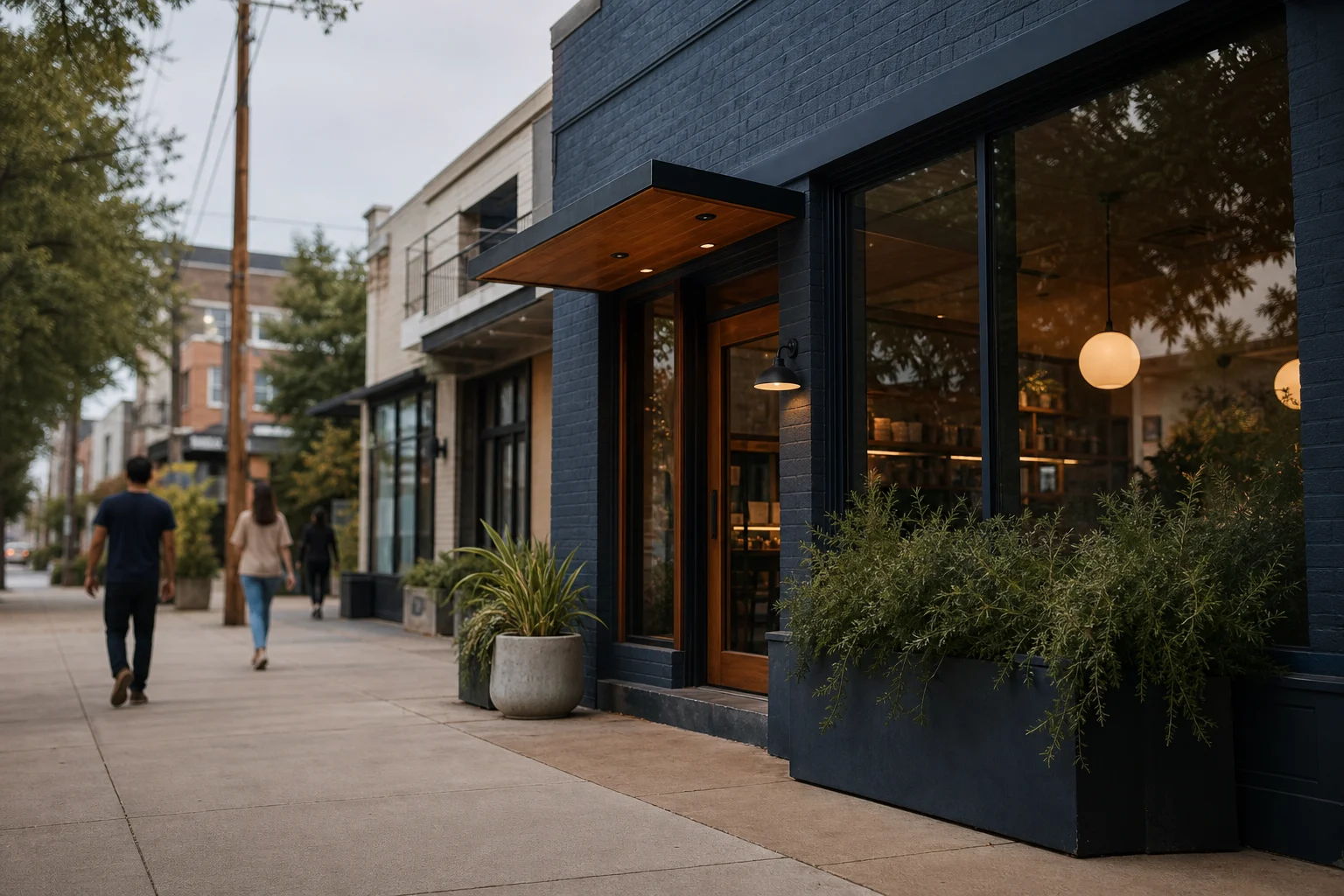
The permit stack to verify
Launching a coffee shop in Washington means verifying several categories of permits and registrations. Each category serves a specific purpose in ensuring your business operates legally and safely. The verification process requires attention to detail and thorough documentation.
City permits form the foundation of your compliance framework. These typically cover basic business operations within District boundaries. State registrations extend your compliance beyond city limits, covering activities that cross jurisdictional boundaries. Landlord requirements address specific conditions set by property owners for commercial tenants.
Health permits focus on food safety and customer wellbeing. Fire safety regulations ensure your establishment meets emergency preparedness standards. Signage permits govern visual advertising on your property. Tax registrations handle your obligations to local and state revenue authorities. Insurance requirements provide protection against various business risks.
Professional review may be necessary depending on your specific business model and location. This category includes consultations with legal, accounting, or industry specialists who can guide your compliance strategy. Each category requires separate verification but contributes to your overall operational legitimacy.
City, state, landlord, health, fire, signage, and tax registrations
City-level registrations typically include basic business licensing and zoning compliance. Washington's zoning regulations determine where coffee shops can operate and what activities are permitted at specific locations. Your business must comply with these local ordinances to avoid potential shutdowns or fines.
State-level requirements extend beyond city boundaries and may include sales tax collection and employee withholding obligations. Washington's state tax authority requires proper registration before you can collect sales tax or hire employees. These registrations must be maintained annually to ensure continuous compliance.
Landlord requirements often include additional conditions beyond standard lease agreements. Property owners may impose specific operating hours, renovation restrictions, or maintenance standards. Understanding these requirements before signing a lease prevents future conflicts and operational disruptions.
Health regulations focus on food preparation, storage, and service standards. Coffee shops handling food products must comply with specific health codes regarding cleanliness, temperature control, and employee hygiene. These regulations protect customer health and ensure consistent food quality.
Fire safety requirements address emergency preparedness and prevention measures. Your establishment must meet specific standards for fire extinguishers, emergency exits, and electrical systems. Regular inspections verify compliance with these life-safety regulations.
Signage regulations control visual impact and public advertising. Washington has specific rules about sign size, placement, and illumination. Compliance ensures your business attracts customers without violating aesthetic or safety standards.
Tax registrations include multiple components beyond basic business licensing. Sales tax permits, employer identification numbers, and local business taxes all require separate registration processes. Proper tax compliance prevents penalties and ensures smooth financial operations.
Documents to collect before lease signing
Before committing to a commercial lease, gather essential documentation that impacts your permit requirements. Property records reveal zoning classifications and previous business uses that affect your operational options. Building maintenance history identifies potential compliance issues that may require remediation.
Utility records show service capacity and connection requirements for your specific business needs. Previous inspection reports highlight recurring issues that may affect your compliance strategy. Neighborhood association guidelines impose additional restrictions beyond city regulations.
Market research data from Locavisor neighborhood scoring identifies promising areas for coffee shop development. Foggy Bottom/GWU scores 8.8/10 with strong demand driven by GWU's 25K+ students, State Department offices, and Foggy Bottom Metro. Dupont Circle scores 7.3/10 with premium rent expectations of $65-95/sqft NNN. Logan Circle scores 7.2/10 with moderate rent of $45-70/sqft NNN.
Competitive analysis reveals existing coffee shops in target areas. Foggy Bottom already supports Tatte Bakery & Cafe (4.3★, 628 reviews) and Bluestone Lane West End Café (4.4★, 1,131 reviews). Dupont Circle features Tatte Dupont Circle (4.3★, 1,397 reviews), Dolcezza Gelato & Coffee (4.6★, 1,148 reviews), and a Starbucks (3.9★, 977 reviews). Logan Circle has La Colombe Coffee Workshop (4.6★, 1,004 reviews), Bluestone Lane Logan Circle (4.7★, 867 reviews), and The Coffee Bar (4.6★, 752 reviews).
What varies by coffee shop format
Different coffee shop formats require different permit approaches. Full-service cafés with extensive food menus face more complex health regulations than beverage-only establishments. Drive-thru operations require additional zoning considerations and traffic impact assessments.
Kiosk-style coffee shops may have simplified requirements but often face restrictions on operating hours and customer capacity. Mobile coffee carts navigate unique regulations regarding public space usage and temporary business locations. Each format demands specific verification of applicable permits.
Seasonal operations require special attention to temporary business licensing and health compliance. Pop-up coffee shops must verify short-term permit availability in their chosen locations. Event-based coffee services need additional documentation for temporary business sites.
Franchise operations must verify compliance with both standard requirements and brand-specific regulations. Corporate-owned coffee shops may have additional internal compliance processes to navigate. Independent coffee shops benefit from more flexibility but require thorough self-verification of all requirements.
FAQ
What permits do I need for A Coffee Shop in Washington? Coffee shops in Washington typically require city business licensing, state tax registration, health permits for food handling, fire safety certifications, and signage approval. Additional requirements may apply depending on your specific business model and location.
How long does the permit process take? Processing times vary depending on the specific permits and current application volumes. Some registrations may be completed quickly while others require inspections and additional documentation.
Can I apply for permits before finding a location? Some registrations like business licensing and tax IDs can be completed before securing a physical location. Location-specific permits require the physical address and often cannot be processed until after lease signing.
What happens if I operate without proper permits? Operating without required permits can result in fines, forced closure, and legal consequences. Compliance protects your business from regulatory action and ensures smooth operations.
Do I need different permits for outdoor seating? Outdoor seating typically requires additional permits for sidewalk usage and may involve separate health and safety inspections. Verify specific requirements for your proposed outdoor area.
How often do permits need renewal? Most permits require annual renewal, though some may have different renewal cycles. Maintain records of expiration dates to ensure continuous compliance.
Last reviewed: 2026-05-08
Sources: U.S. Census Bureau ACS, LEHD LODES, Google Places, OpenStreetMap, Locavisor neighborhood scoring.
Methodology: Locavisor scores neighborhoods across demand, competition fit, rent fit, accessibility, and customer match. Scores reflect a snapshot of recent data and should be combined with on-the-ground research before lease decisions.
Disclaimer: This article provides informational content only and does not constitute legal, financial, accounting, or real-estate advice. Verify lease terms, licensing, local regulations, costs, and professional requirements with qualified local professionals before making business decisions.
Free preview shows top 3 neighborhoods. Full $9.99 report covers all 10 areas with personalized scoring + 90-day check-ins.
Informational only. Verify lease, licensing, local regulations, costs, and professional requirements with qualified local professionals.