Atlanta, GA · dessert shop
Dessert shop permits Atlanta
Opening a dessert shop in Atlanta requires navigating a complex web of permits and licenses. The city's mixed market temperature, medium competition density, and high rent levels make thorough compliance preparation essential for success. 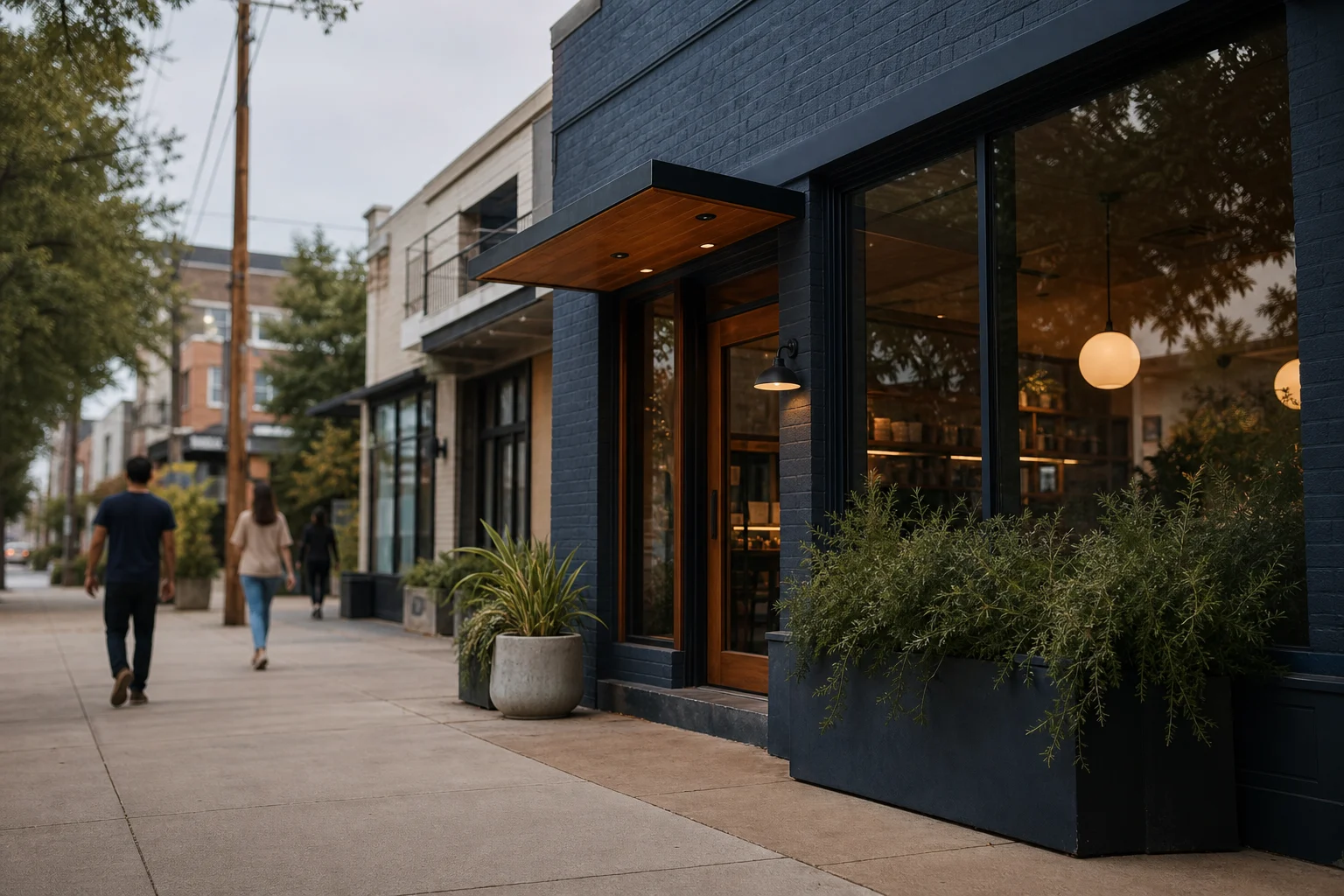
The Permit Stack to Verify
Before signing any lease or making significant investments, founders must verify all required permits and licenses. The permit stack for Atlanta dessert shops includes city, state, landlord, health, fire, signage, and tax registrations. Each category has specific requirements that vary by location and business format.
City, State, Landlord, Health, Fire, Signage, and Tax Registrations
City Requirements
Atlanta requires all dessert shops to obtain basic business operating permits. These permits vary by location within the city. For example, operating in Atlantic Station (5.7/10) requires different considerations than Downtown (5.5/10) or Smyrna / Vinings (5.5/10). The rent level in these areas ranges from high in Atlantic Station ($90-140/sqft NNN) to more manageable in Smyrna / Vinings ($45-70/sqft NNN).
State Requirements
Georgia mandates specific state-level licenses for food establishments. These include basic business registration and industry-specific permits. The state also requires sales tax collection authorization for all retail food businesses.
Landlord Requirements
Commercial leases often include additional requirements beyond city and state regulations. Landlords may require proof of insurance, additional security deposits, or specific operational hours. In high-rent areas like Atlantic Station, landlords typically impose stricter conditions due to the premium property values.
Health Requirements
All food establishments must meet health department standards. These requirements cover food handling, storage, preparation, and service facilities. Health inspections verify compliance with sanitation and safety regulations.
Fire Requirements
Fire safety regulations mandate proper equipment, emergency exits, and hazard prevention measures. These requirements vary based on business size and layout. Compliance ensures the safety of both customers and staff.
Signage Requirements
Atlanta has specific regulations for business signage. These rules cover size, placement, illumination, and content. Signage permits must be obtained before installing any exterior signs.
Tax Registrations
Businesses must register with appropriate tax authorities. This includes sales tax collection and employer identification if hiring staff. Proper tax documentation is essential for ongoing operations.
Documents to Collect Before Lease Signing
Before committing to a commercial space, gather all necessary documentation. This includes proof of business registration, zoning compliance verification, and preliminary health and fire safety assessments. For high-rent areas like Atlantic Station, additional financial documentation may be required.
Verify the property's zoning designation allows for food service operations. Check for any restrictions specific to the area's character, particularly in mixed-use developments like Atlantic Station with its office density and walkability features.
Review the lease terms carefully for any hidden requirements or restrictions. Pay special attention to clauses related to operating hours, signage, and maintenance responsibilities. In areas with high competition like Downtown, these terms may be more restrictive.
What Varies by Dessert Shop Format
Different dessert shop formats have varying permit requirements. A full-service bakery with seating faces different regulations than a counter-service ice cream shop or a mobile dessert vendor.
For example, operating in Smyrna / Vinings (5.5/10) near Truist Park and The Battery requires consideration of event-driven traffic patterns. The area's car-dependency and weak transit access impact customer flow and may influence operational requirements.
Atlantic Station's maxed-out office density and strong walkability within its master-planned development create a captive lunch/afternoon crowd from Microsoft, SCAD, and surrounding corporate offices. This customer profile may influence specific operational permits and licensing requirements.
Downtown Atlanta delivers the highest walkability and transit access of any area, anchored by Georgia State University (30,000+ students), CNN Center, and Centennial Park tourist traffic. This diverse customer base may necessitate additional permits or licenses to accommodate varying operational needs.
Smyrna / Vinings offers a strong neighborhood-corridor play with Truist Park (Braves) and The Battery as event-driven traffic anchors. The area's only ice-cream operator is Cold Stone Creamery (3.9★, 523 reviews), indicating potential market opportunity for dessert specialty concepts.
FAQ
What permits do I need for A Dessert Shop in Atlanta?
Atlanta dessert shops require multiple permits across different categories. These include city business operating permits, state food establishment licenses, health department approvals, fire safety certifications, signage permits, and tax registrations. The specific requirements vary based on location, business format, and operational scope.
How do Atlanta's top areas differ for dessert shop permits?
Atlantic Station (5.7/10) has trophy-tier rent ($90-140/sqft NNN) but maxed-out office density and strong walkability. Downtown (5.5/10) offers premium rent ($65-95/sqft NNN) with highest walkability and transit access. Smyrna / Vinings (5.5/10) has more manageable rent (~$45-70/sqft NNN) and is car-dependent with weak transit. Each area's characteristics influence specific permit requirements.
Do I need different permits for different dessert shop formats?
Yes, different dessert shop formats have varying permit requirements. Full-service bakeries with seating face different regulations than counter-service ice cream shops or mobile vendors. The scale of operations, food preparation methods, and customer service model all influence the specific permits needed.
What should I verify before signing a commercial lease?
Before signing a lease, verify zoning compliance, gather preliminary health and fire safety assessments, and review lease terms carefully. Check for any hidden requirements related to operating hours, signage, and maintenance responsibilities. In high-rent areas, additional financial documentation may be required.
How does competition affect permit requirements?
Competition density influences market conditions but doesn't directly affect permit requirements. However, in areas with medium competition density like Atlanta, thorough compliance preparation becomes even more important for differentiation and market positioning.
What professional advice should I seek for permits?
Founders should consult with legal professionals specializing in food service businesses and commercial real estate. Professional review of all permits and licenses ensures compliance with local, state, and federal regulations. This professional guidance helps avoid costly mistakes and delays in the opening process.
How long does the permit process take?
The permit timeline varies based on business type, location, and specific requirements. Early preparation and thorough documentation help streamline the process. Starting the permit application process before lease signing can prevent delays in your opening timeline.
Last reviewed: 2026-05-08
Sources: U.S. Census Bureau ACS, LEHD LODES, Google Places, OpenStreetMap, Locavisor neighborhood scoring.
Methodology: Locavisor scores neighborhoods across demand, competition fit, rent fit, accessibility, and customer match. Scores reflect a snapshot of recent data and should be combined with on-the-ground research before lease decisions.
Disclaimer: This article provides informational content only and does not constitute legal, financial, accounting, or real-estate advice. Verify lease terms, licensing, local regulations, costs, and professional requirements with qualified local professionals before making business decisions.
Free preview shows top 3 neighborhoods. Full $9.99 report covers all 10 areas with personalized scoring + 90-day check-ins.
Informational only. Verify lease, licensing, local regulations, costs, and professional requirements with qualified local professionals.