Charlotte, NC · dessert shop
Dessert shop permits Charlotte
Opening a dessert shop in Charlotte requires navigating a complex web of permits and licenses. The right location can make or break your business, and Locavisor neighborhood scoring identifies University City as the best fit with an overall score of 6.1/10. This area ranks #1 on student density and late-night daypart potential, with zero direct dessert competitors. The UNC Charlotte campus (30K+ students) and light rail access create strong walk-in impulse traffic. Rent is moderate at roughly $30-50/sqft NNN, making this a viable entry for a medium-budget operator.
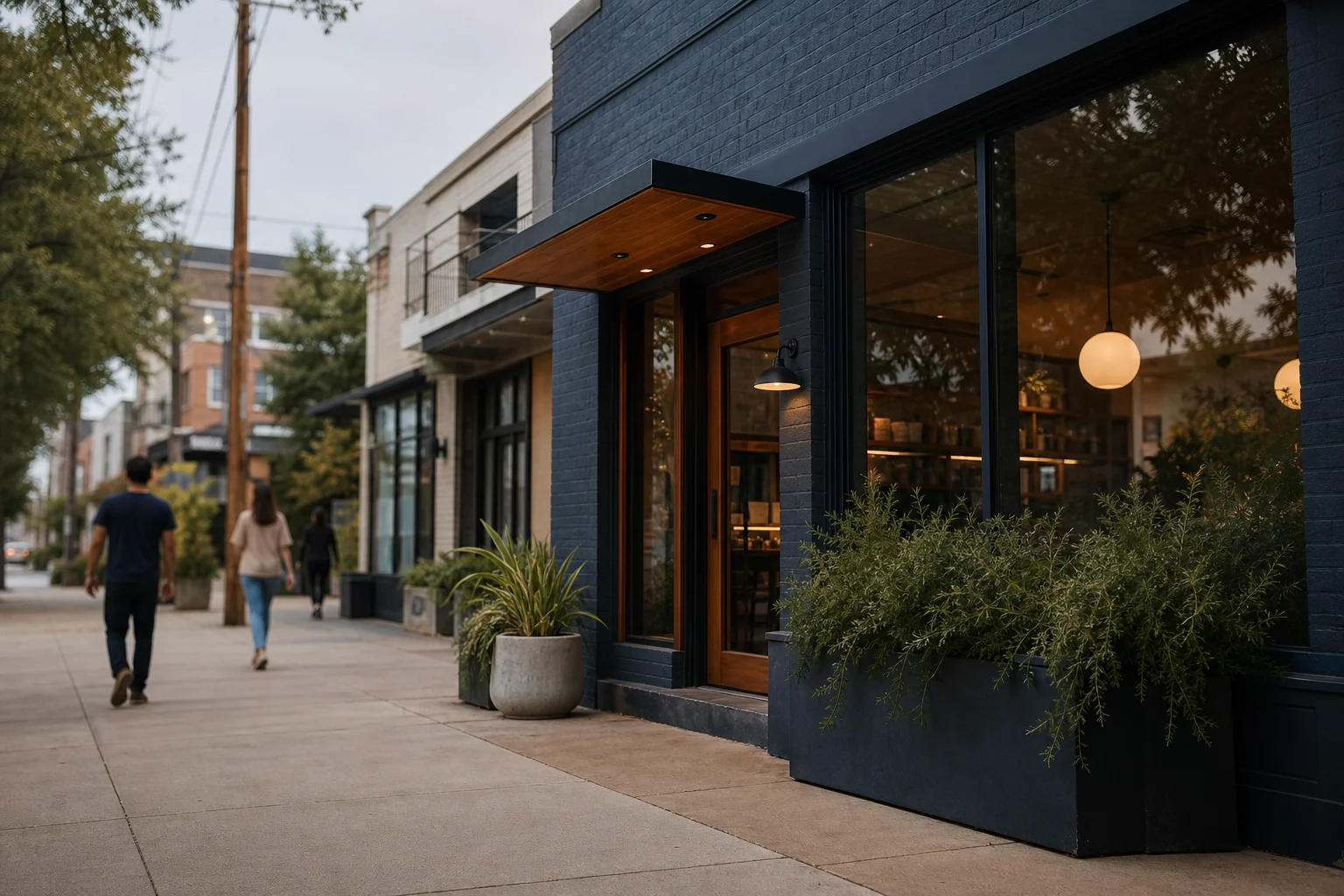
The permit stack to verify
Before signing any lease or making significant investments, founders must verify the complete permit stack for their Charlotte dessert shop. This process involves multiple layers of compliance from city, state, landlord, health, fire, signage, tax, and professional review categories. Each category requires specific documentation and approvals before you can legally operate your dessert business in Charlotte.
The permit verification process should begin early in your planning phase. Missing a required permit can lead to costly delays, fines, or even the inability to open your business. Charlotte's mixed market temperature and medium competition density suggest that proper compliance gives you a competitive advantage by ensuring smooth operations from day one.
City, state, landlord, health, fire, signage, and tax registrations
City-level permits form the foundation of your compliance structure. Charlotte requires general business registration for all operating businesses. You'll need to verify zoning regulations for your specific dessert shop format, as different areas may have restrictions on food service operations, signage, or operating hours.
State-level requirements include basic business registration and tax identification numbers. North Carolina requires sales tax collection authorization for any business selling goods. Depending on your specific dessert offerings, you may need additional state-level certifications or registrations.
Landlord permissions are often overlooked but critical for compliance. Your lease agreement should specify any restrictions on business operations, signage, or equipment installation. Before signing, verify that your intended use aligns with the property's zoning classification and any landlord-imposed limitations.
Health department compliance is non-negotiable for any food service business. Charlotte requires inspections and approvals for food preparation areas, storage facilities, and handling procedures. The specific requirements will vary based on your menu items and preparation methods.
Fire safety regulations apply to all commercial food establishments. Your space must meet occupancy limits, emergency exit requirements, and fire suppression standards. These requirements may impact your layout choices and renovation plans.
Signage permits control the visual impact of your business on the surrounding community. Charlotte has specific regulations on sign size, placement, illumination, and content. These rules affect your branding and visibility strategy.
Tax registrations include both state and federal requirements. Beyond basic business registration, you'll need to understand sales tax collection, payroll tax obligations, and any industry-specific tax considerations.
Documents to collect before lease signing
Before committing to a commercial lease, collect all necessary documentation to verify compliance. This includes property zoning verification, building code compliance certificates, and health department pre-approvals for your intended operations.
For University City, verify that the property allows food service operations with your specific equipment and processes. The area's medium rent level of $30-50/sqft NNN should be balanced against compliance costs. The zero direct dessert competitors in this area suggest opportunity, but proper permits will be essential to capitalize on this market gap.
At Camp North End, where Cara's Cookie Company (4.4★, 31 reviews) and Seemingly Overzealous Ice Cream (4.9★, 281 reviews) already operate, verify that your concept can coexist with existing businesses while meeting all health and safety requirements. The adaptive-reuse nature of this district may present unique compliance considerations.
In Wesley Heights, the premium rent level of $65-95/sqft NNN necessitates thorough compliance verification before making such a significant investment. With existing competitors like Cupcake Canvas LLC (5★, 4 reviews) and The Scoop N Scootery (4.5★, 163 reviews), ensure your business model can support these occupancy costs while maintaining full compliance.
What varies by dessert shop format
Different dessert shop formats require different permit stacks. A bakery producing goods off-site for delivery has different requirements than a retail shop serving customers directly. Your specific menu items, preparation methods, and service model will determine which permits apply to your business.
Mobile dessert operations face unique compliance challenges. These businesses must verify regulations for mobile food units, temporary event permits, and commissary kitchen requirements. The mobility aspect adds layers of complexity to the standard permit stack.
Seasonal or pop-up dessert shops require temporary operation permits and may have simplified compliance requirements. However, these businesses still need basic business registration, tax compliance, and liability insurance. The temporary nature doesn't exempt you from fundamental regulatory requirements.
Full-service dessert cafes with seating areas face the most comprehensive compliance requirements. These businesses must meet all retail food service regulations plus additional requirements for customer seating, restroom facilities, and increased occupancy limits. The investment in permits and compliance is higher but necessary for this business model.
FAQ
What permits do I need for A Dessert Shop in Charlotte?
The complete permit stack for a Charlotte dessert shop includes city business registration, state tax authorization, landlord permissions, health department approvals, fire safety compliance, signage permits, and professional review as needed. The specific requirements vary based on your shop format, menu items, and location within Charlotte.
How does location affect permit requirements?
Different Charlotte neighborhoods have varying zoning regulations and compliance requirements. University City, with its zero direct dessert competitors, offers opportunity but requires verification of food service allowances. Camp North End, with existing dessert businesses, has established compliance standards to follow. Wesley Heights' premium rent level demands thorough compliance verification due to the higher investment required.
What's the most common mistake founders make with permits?
Founders often underestimate the time required to obtain all necessary permits and approvals. The process can take weeks or months depending on the complexity of your operations and the responsiveness of regulatory agencies. Starting the permit verification process before signing a lease can prevent costly delays and ensure your business opens on schedule.
How do I know if my space meets health requirements?
Health department requirements vary based on your specific menu items and preparation methods. Spaces that previously housed food service businesses may have existing approvals that transfer to your operation with minor modifications. New spaces or those with different uses will require more extensive modifications and inspections.
What professional help should I hire for permits?
Most founders benefit from consulting with a local attorney familiar with Charlotte business regulations and a commercial architect or contractor who understands health and building code requirements. These professionals can help navigate the compliance process and avoid costly mistakes.
How much should I budget for permits and compliance?
Compliance costs vary significantly based on your shop format, location, and specific requirements. Budgeting for professional consultation, potential renovations to meet code, and permit application fees is essential. The investment in proper compliance protects your business from legal issues and operational disruptions.
Last reviewed: 2026-05-08
Sources: U.S. Census Bureau ACS, LEHD LODES, Google Places, OpenStreetMap, Locavisor neighborhood scoring.
Methodology: Locavisor scores neighborhoods across demand, competition fit, rent fit, accessibility, and customer match. Scores reflect a snapshot of recent data and should be combined with on-the-ground research before lease decisions.
Disclaimer: This article provides informational content only and does not constitute legal, financial, accounting, or real-estate advice. Verify lease terms, licensing, local regulations, costs, and professional requirements with qualified local professionals before making business decisions.
Free preview shows top 3 neighborhoods. Full $9.99 report covers all 10 areas with personalized scoring + 90-day check-ins.
Informational only. Verify lease, licensing, local regulations, costs, and professional requirements with qualified local professionals.