Chicago, IL · dessert shop
Dessert shop permits Chicago
Opening a dessert shop in Chicago requires navigating a complex web of permits and licenses. Locavisor's neighborhood scoring identifies Hyde Park (6.4/10) as your strongest bet for a new dessert venture, anchored by the University of Chicago with strong walkability, transit access, and a dense residential base. The existing dessert scene is thin: Insomnia Cookies (3.9★, 453 reviews) and Stan's Donuts (4.2★, 227 reviews) are the only direct competitors, leaving room for a differentiated specialty concept.
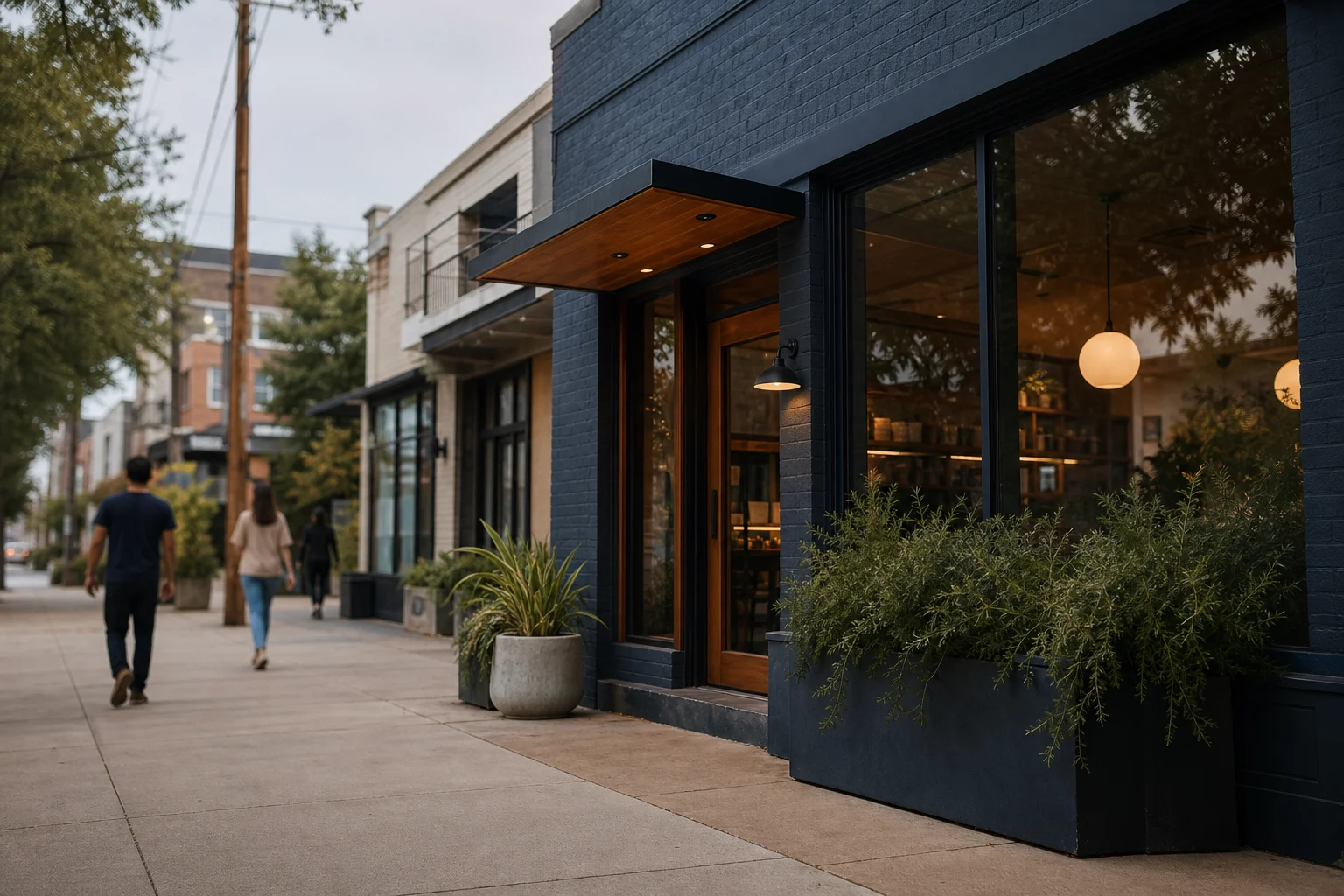
The permit stack to verify
Before signing any lease or purchasing equipment, founders must verify their compliance requirements. Chicago's mixed market temperature and medium competition density suggest a cautious approach to investment. Rent levels are low across the top neighborhoods, with Rogers Park specifically showing rent at roughly $30-50/sqft NNN. The 78% score confidence in Locavisor's 2026-05 snapshot data provides a reliable foundation for your compliance planning.
Your compliance stack falls into eight categories: city, state, landlord, health, fire, signage, tax, and insurance. Each category requires specific documentation and approvals before opening. Missing any element can delay your opening or force costly retrofits.
City, state, landlord, health, fire, signage, and tax registrations
City registration typically involves basic business licensing and zoning verification. Chicago's zoning requirements may vary by neighborhood, with Hyde Park, Chinatown, and Rogers Park each having specific considerations based on their character and existing commercial makeup.
State registration includes sales tax collection authorization and employer identification if you plan to hire staff. Illinois requires specific documentation for food establishments that must be submitted before operations begin.
Landlord approvals often go beyond the lease itself. Many commercial leases require additional consent for specific equipment installation, signage, or operational changes that affect the property structure or common areas.
Health compliance covers food handling, storage, and preparation standards. Chicago's health department requires verification that your facility meets all food safety requirements. This includes proper refrigeration, handwashing facilities, and pest control measures.
Fire safety verification ensures your exit routes, fire suppression systems, and emergency equipment meet city standards. Older buildings in neighborhoods like Hyde Park may require additional fire safety measures beyond newer constructions.
Signage regulations control the size, placement, and illumination of your business signs. Chicago has specific rules about signs visible from public streets and sidewalks that must be followed before installing any exterior signage.
Tax registration includes both federal and state requirements. Beyond sales tax, you may need specific tax IDs for your business structure and employee withholding if you hire staff.
Documents to collect before lease signing
Before committing to a location, collect all necessary documentation to verify compliance requirements. This includes zoning verification letters confirming your intended use is permitted at the address.
Review the property's existing certificates of occupancy and any previous health or fire inspection reports. These documents can reveal potential compliance issues that might require expensive renovations.
Obtain written confirmation from the landlord regarding any build-out allowances or improvements they will provide. Many commercial leases include clauses requiring landlord approval for significant changes to the space.
Research the neighborhood's specific requirements. Chinatown offers exceptional foot traffic and transit connectivity (CTA Red Line at Cermak-Chinatown) with a dense residential base. The dessert-specialty scene is sparse — only Golden Dragon Fortune Cookies (4.3★, 23 reviews) registers as a direct competitor.
Rogers Park combines Loyola University adjacency with strong residential density and good transit access (Red Line at Morse, Jarvis, Howard). Only one dessert-specialty competitor exists — Mickii's Cookies, Cobblers & More (4.8★, 18 reviews) — but it's limited to weekend-only hours, leaving the weekday dessert window wide open.
What varies by dessert shop format
Your specific business model affects your compliance requirements. A bakery producing goods for wholesale distribution faces different regulations than a retail ice cream shop serving customers directly.
Mobile dessert carts or trucks require additional permits beyond fixed locations. These include specific street vending licenses and route approvals that may not apply to brick-and-mortar shops.
Online ordering and delivery operations require additional considerations regarding food handling during transport and proper storage of prepared items before delivery.
Seasonal operations, such as holiday pop-up shops, have specific time-limited permits that differ from year-round establishments. These temporary operations often have simplified compliance requirements but must still meet basic health and safety standards.
FAQ
What permits do I need for A Dessert Shop in Chicago?
Your dessert shop will require permits across multiple categories. City registration includes basic business licensing and zoning verification. State registration covers sales tax collection and employer identification if hiring staff. Health compliance verifies food handling and preparation standards. Fire safety ensures your facility meets emergency exit and suppression requirements. Signage regulations control exterior signs visible from public streets. Tax registration includes both federal and state requirements. Landlord approvals may be needed for equipment installation or operational changes affecting the property.
How do neighborhood differences affect permit requirements?
Chicago's neighborhoods have distinct characteristics that influence compliance. Hyde Park (6.4/10) offers strong walkability and transit access with limited dessert competition. Chinatown (6.3/10) provides exceptional foot traffic with minimal direct competitors. Rogers Park (6.1/10) combines university adjacency with residential density and weekday opportunity. Each neighborhood's specific zoning, building codes, and commercial character may affect your permit requirements, though the basic compliance categories remain consistent across the city.
Can I operate without all permits?
Operating without required permits can result in fines, forced closures, or legal action. Health violations pose the most immediate risk, potentially leading to shutdown orders if food safety standards aren't met. Fire safety non-compliance creates dangerous conditions and liability issues. Missing tax registrations can lead to penalties and interest charges. Proper permit verification before opening ensures smooth operations and protects your investment.
How long does the permit process take?
Processing times vary depending on the specific permits and your business complexity. Some registrations may be completed within days, while others requiring inspections or special approvals may take weeks or months. Starting the process early, before signing a lease or purchasing equipment, helps prevent delays in your opening timeline. The 2026-05 snapshot data shows a market with mixed temperature, suggesting careful planning is especially important.
What professional help should I consider?
Many founders benefit from professional guidance navigating compliance requirements. Legal counsel can review lease agreements and ensure proper business structure formation. Accountants help with tax registration and financial planning. Industry consultants provide insights specific to dessert operations. Professional review of your compliance stack before opening can identify potential issues early, saving time and resources in the long run.
Last reviewed: 2026-05-08
Sources: U.S. Census Bureau ACS, LEHD LODES, Google Places, OpenStreetMap, Locavisor neighborhood scoring.
Methodology: Locavisor scores neighborhoods across demand, competition fit, rent fit, accessibility, and customer match. Scores reflect a snapshot of recent data and should be combined with on-the-ground research before lease decisions.
Disclaimer: This article provides informational content only and does not constitute legal, financial, accounting, or real-estate advice. Verify lease terms, licensing, local regulations, costs, and professional requirements with qualified local professionals before making business decisions.
Free preview shows top 3 neighborhoods. Full $9.99 report covers all 10 areas with personalized scoring + 90-day check-ins.
Informational only. Verify lease, licensing, local regulations, costs, and professional requirements with qualified local professionals.