Columbus, OH · dessert shop
Dessert shop permits Columbus
Opening a dessert shop in Columbus requires navigating a specific set of permits and licenses. Understanding the requirements for dessert shop permits in Columbus is crucial for a smooth launch. The market shows mixed temperature with medium competition density and medium rent levels, according to Locavisor neighborhood scoring from the 2026-05 snapshot.
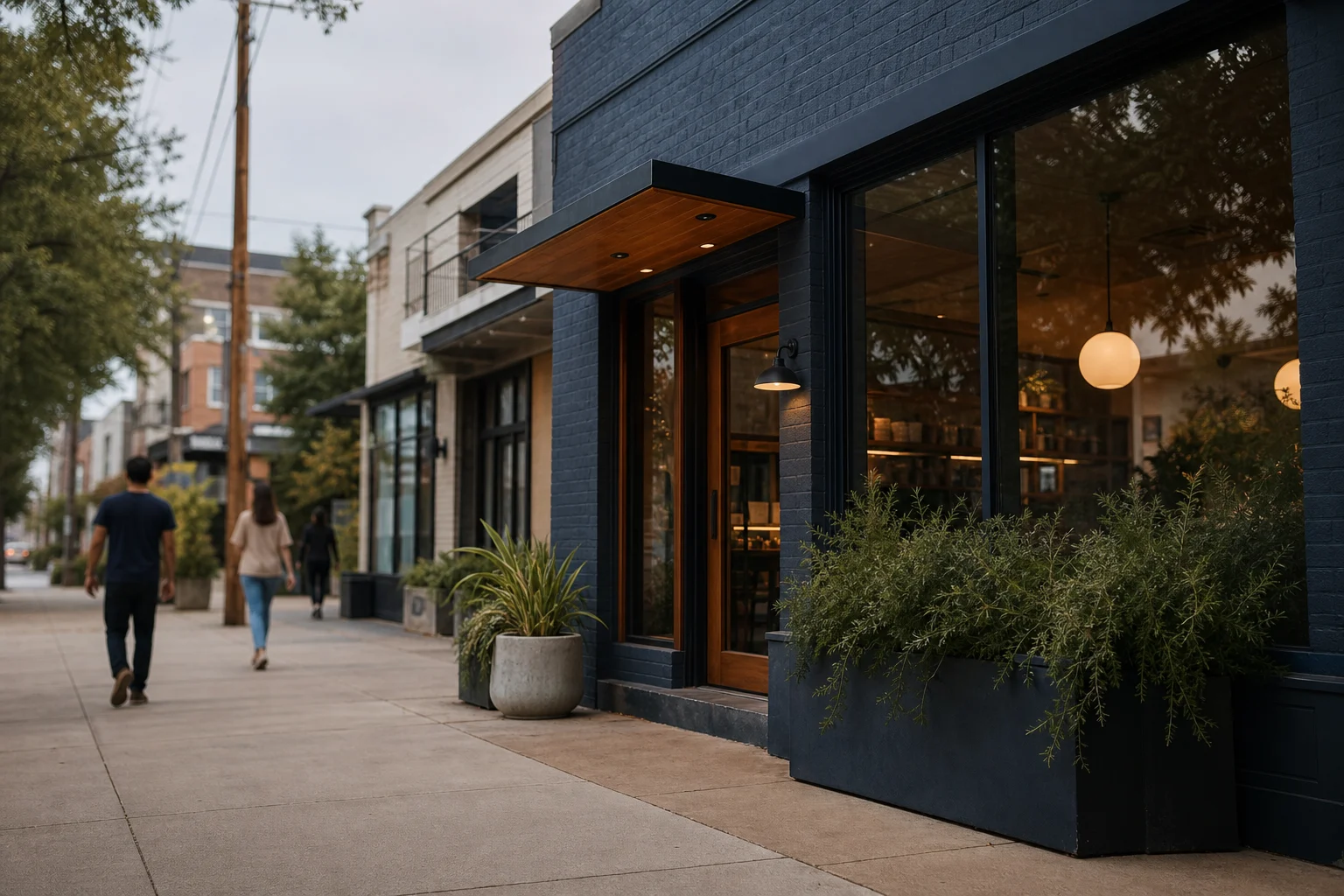
The permit stack to verify
Before opening your dessert shop in Columbus, you'll need to verify several categories of requirements. The permit stack includes city, state, landlord, health, fire, signage, tax, insurance, and professional review items. Each category has specific requirements that must be addressed before you can legally operate your dessert business.
Columbus offers several potential locations for your dessert shop. Based on Locavisor neighborhood scoring, the top three areas are:
Easton (6.1/10) — Easton Town Center is a master-planned outdoor mall with strong daytime office traffic and a proven retail ecosystem. No direct dessert-specialty competitors on-site, but Jeni's (4.5★, 846 reviews) and Graeter's (3.8★) ice cream shops are adjacent. The lunch-daypart is near ceiling, and the evening window is solid.
Italian Village (5.7/10) — Italian Village sits just north of Short North with exceptional walkability, strong daytime worker density, and a trendy F&B corridor. One direct competitor — Insomnia Cookies (3.5★, 153 reviews) — is present but underperforming.
Short North (5.7/10) — Short North is Columbus's iconic art and dining district along High Street, with top-tier walkability, strong office density, and a vibrant evening scene. Same direct competitor as Italian Village — Insomnia Cookies (3.5★, 153 reviews) — plus Jeni's (4.7★, 1,559 reviews) as an adjacent ice-cream incumbent. Rent is premium at roughly $65-95/sqft NNN, making this a high-risk, high-reward play.
City, state, landlord, health, fire, signage, and tax registrations
Your Columbus dessert shop will require registrations across multiple levels. City-level requirements typically include basic business registration and zoning compliance verification. State-level requirements often involve tax registration and industry-specific licensing.
Health regulations are particularly important for food establishments like dessert shops. You'll need to verify requirements related to food preparation, storage, and handling. Fire safety requirements will include proper equipment installation and emergency planning. Signage regulations may govern the size, placement, and illumination of your business signage.
Tax registrations include sales tax collection and remittance requirements. Insurance needs typically include general liability and property coverage. Professional review may involve consulting with attorneys or consultants to ensure compliance with all applicable regulations.
Documents to collect before lease signing
Before signing a lease for your Columbus dessert shop location, collect relevant documentation. Verify that the property is zoned for your intended use. Obtain any existing inspection reports or compliance documentation for the space.
Review the lease for clauses related to health department inspections or other regulatory requirements. Check if there are any existing restrictions on food preparation or service that might impact your dessert shop operations. Collect information about utility requirements and any special considerations for your specific equipment needs.
Documentation from the landlord should include maintenance responsibilities and any shared facility requirements. Understanding these details before signing can prevent complications during the permitting process.
What varies by dessert shop format
Different dessert shop formats may have varying requirements. A bakery producing goods on-site will have different health and safety requirements than a pre-packaged dessert retailer. Ice cream shops may need specialized equipment verification.
Mobile dessert vendors will have different permitting requirements than brick-and-mortar locations. Shops serving alcohol with desserts will need additional compliance verification. Understanding how your specific format affects the permit stack is essential for proper planning.
Consider whether you'll offer seating, which may impact fire safety requirements. Takeout versus dine-in operations may have different health department considerations. Your specific menu offerings and preparation methods will determine which regulations apply most directly to your business.
FAQ
What permits do I need for A Dessert Shop in Columbus?
Your Columbus dessert shop will require permits across several categories. These typically include city business registration, state tax licensing, and health department compliance. Fire safety verification is usually required for food establishments. Signage permits may be needed depending on your location and signage type. Additional requirements may apply based on your specific business format and operations.
How long does the permit process take in Columbus?
The permit timeline varies based on your specific business type and location. Some registrations may be processed quickly, while others may require inspections and additional verification. Starting the process early is recommended to avoid delays in your opening timeline.
Do I need different permits for different dessert shop formats?
Yes, different formats may have varying requirements. A bakery producing goods on-site will likely have different health and safety requirements than a shop selling pre-packaged desserts. Mobile vendors have different regulations than brick-and-mortar locations. Your specific operations will determine which permits apply to your business.
Can I apply for permits before finding a location?
Some permits and registrations can be initiated before securing a physical location. Business entity registration and tax registration are often possible without a specific address. However, location-specific requirements like zoning verification and health department approvals will require a physical address.
What happens if I open without proper permits?
Operating without required permits can result in fines, closure orders, and legal complications. It may also impact your ability to obtain necessary insurance coverage. Ensuring all permits and licenses are in place before opening is essential for legal operation and business protection.
Last reviewed: 2026-05-08
Sources: U.S. Census Bureau ACS, LEHD LODES, Google Places, OpenStreetMap, Locavisor neighborhood scoring.
Methodology: Locavisor scores neighborhoods across demand, competition fit, rent fit, accessibility, and customer match. Scores reflect a snapshot of recent data and should be combined with on-the-ground research before lease decisions.
Disclaimer: This article provides informational content only and does not constitute legal, financial, accounting, or real-estate advice. Verify lease terms, licensing, local regulations, costs, and professional requirements with qualified local professionals before making business decisions.
Free preview shows top 3 neighborhoods. Full $9.99 report covers all 10 areas with personalized scoring + 90-day check-ins.
Informational only. Verify lease, licensing, local regulations, costs, and professional requirements with qualified local professionals.