Denver, CO · dessert shop
Dessert shop permits Denver
Opening a dessert shop in Denver requires navigating a complex web of permits and licenses. The city's growing food scene offers opportunities for dessert entrepreneurs, but compliance with local regulations is essential for smooth operations. Denver's dessert shop market shows mixed temperature with medium competition density, making proper permit verification crucial for new entrants.
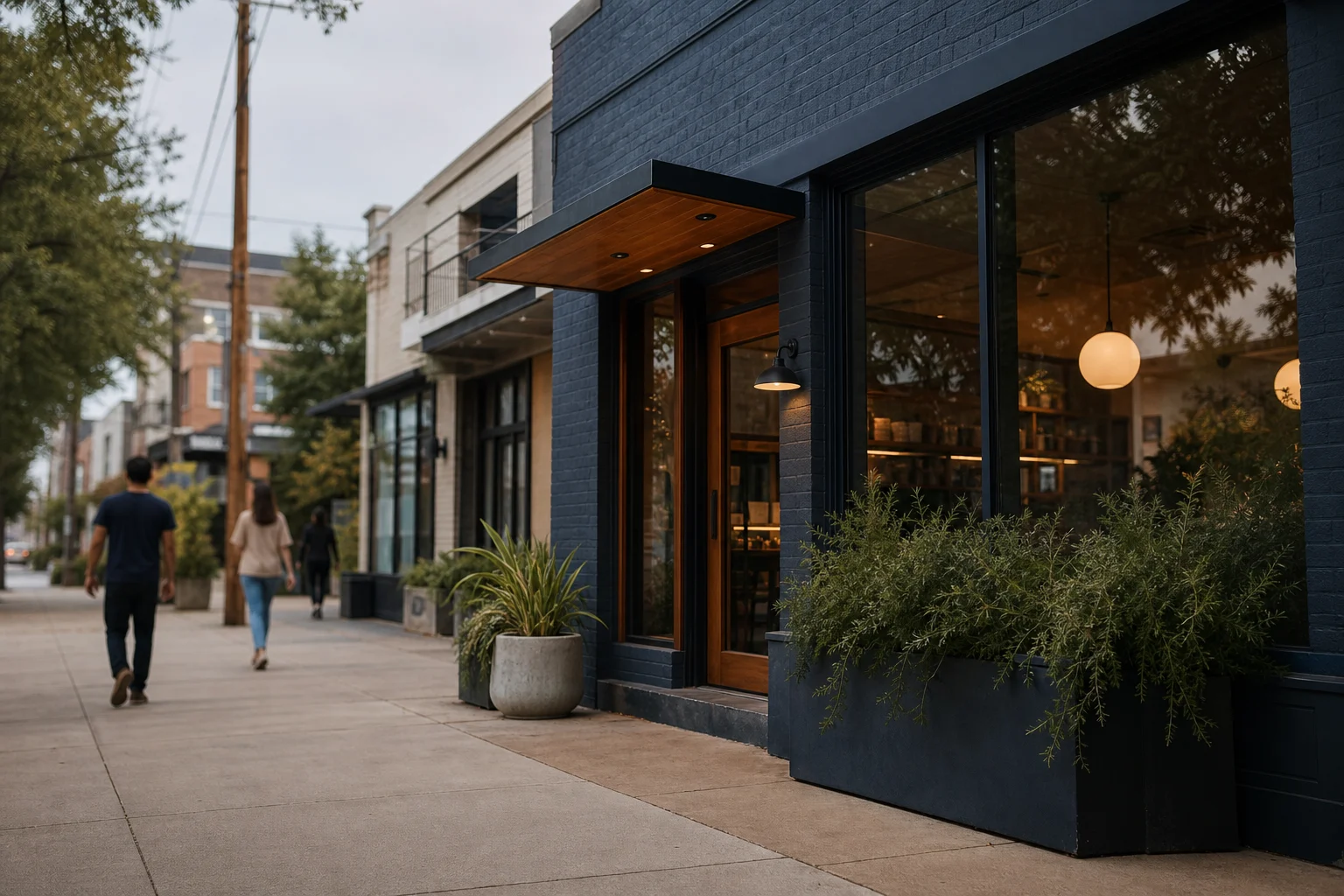
The permit stack to verify
Before launching your Denver dessert shop, you'll need to verify several categories of permits and licenses. These requirements vary based on your business format, location, and specific operations. The permit stack includes city, state, landlord, health, fire, signage, tax, insurance, and professional review categories. Each category contains specific requirements that must be addressed before opening your doors.
City, state, landlord, health, fire, signage, and tax registrations
Denver's municipal requirements for dessert shops include basic business registration and zoning compliance. The city's permit system regulates food establishments to ensure public safety and proper land use. You'll need to verify that your chosen location is zoned for food service operations before proceeding with other permits.
State-level requirements for dessert shops in Colorado include sales tax registration and food handler certifications. The state regulates food establishments to maintain health standards across municipalities. These requirements apply regardless of your specific dessert shop format or location within Denver.
Landlord permits are often overlooked but essential for any commercial space. Your lease agreement should specify which alterations require landlord approval. Many commercial leases require written consent for changes to the space, including equipment installation and layout modifications.
Health permits are critical for any food-related business, including dessert shops. Denver's health department regulations cover food preparation, storage, and service areas. These requirements ensure that your desserts are prepared in safe, sanitary conditions that protect public health.
Fire safety permits address the specific hazards associated with commercial kitchens and food service operations. Denver's fire department regulations cover equipment installation, emergency exits, and fire suppression systems. These requirements are particularly important for dessert shops that use ovens, fryers, or other heat-producing equipment.
Signage permits regulate the size, placement, and illumination of business signs in Denver. The city has specific guidelines for commercial signage to maintain aesthetic consistency and public safety. Your dessert shop's signage will need to comply with these regulations to avoid fines or removal.
Tax registrations include both state sales tax and local business taxes. Denver collects various taxes that may apply to dessert shops, including sales tax on prepared food and possible local business taxes. These registrations must be completed before opening to ensure compliance with all tax obligations.
Documents to collect before lease signing
Before signing a commercial lease for your Denver dessert shop, collect several key documents to verify compliance requirements. These documents include zoning verification, building permits, and health department guidelines. Having these documents in hand before signing can prevent costly surprises after lease execution.
Zoning verification confirms that your chosen location is properly zoned for food service operations. Denver's zoning regulations specify which areas allow commercial food establishments. This verification should be completed before considering any specific location for your dessert shop.
Building permits may be required for renovations or modifications to the commercial space. Denver's building department regulates construction and alterations to commercial properties. These requirements apply even if you're making minor changes to an existing space.
Health department guidelines provide specific requirements for food preparation and service areas. Denver's health department publishes regulations for food establishments that must be followed regardless of business type. These guidelines cover everything from equipment specifications to employee hygiene requirements.
What varies by dessert shop format
Different dessert shop formats have varying permit requirements in Denver. A full-service bakery with seating will need more extensive permits than a take-only counter service operation. Understanding how your specific format affects permit requirements can streamline your compliance process.
Bakery cafes that serve food and beverages in addition to desserts will need additional health and fire permits. Denver's regulations for full-service food establishments are more stringent than for retail-only operations. These requirements cover everything from kitchen equipment to seating arrangements.
Ice cream shops and frozen dessert establishments have specific health requirements related to frozen food storage. Denver's health department has particular guidelines for maintaining proper temperatures for frozen products. These requirements apply regardless of whether you serve hard ice cream, gelato, or other frozen desserts.
Candy stores and confectioneries may have different requirements depending on whether they prepare products on-site. Denver's regulations for retail food establishments vary based on the extent of food preparation. Shops that make candy on premises will need more extensive health permits than those selling pre-packaged goods.
Mobile dessert vendors face unique permit challenges in Denver. The city has specific regulations for mobile food vendors that differ from brick-and-mortar establishments. These requirements cover everything from vehicle specifications to approved serving locations.
FAQ
What permits do I need for A Dessert Shop in Denver?
The exact permits required for a dessert shop in Denver depend on your specific business format and location. Generally, you'll need city business registration, state sales tax registration, landlord approval for space use, health permits for food preparation, fire safety permits for kitchen equipment, signage permits for your business sign, and appropriate business insurance. Different dessert shop formats may have additional requirements based on their specific operations.
How do I verify zoning requirements for my Denver dessert shop?
Before signing a lease, verify that your chosen location is zoned for food service operations in Denver. This can typically be done through the city's planning department website or by contacting them directly. Zoning verification should be completed early in your search process to avoid locations that aren't suitable for your dessert shop.
What health permits are required for a dessert shop in Denver?
Denver requires health permits for any establishment that prepares or serves food, including dessert shops. These permits cover food preparation areas, storage facilities, and service counters. The specific requirements vary based on your menu items and preparation methods, but all dessert shops must comply with basic food safety regulations.
Do I need special permits for outdoor seating at my dessert shop?
Outdoor seating areas may require additional permits in Denver, depending on the specific location and arrangement. These permits typically involve zoning, health, and possibly fire safety requirements. If you plan to offer outdoor seating at your dessert shop, verify these requirements before making any physical changes to the space.
How long does it take to obtain all necessary permits for a Denver dessert shop?
The timeline for obtaining permits varies based on the specific requirements and your preparedness. Some permits can be obtained quickly, while others may require inspections and approvals that take weeks or months. It's advisable to begin the permit process as early as possible to avoid delays in your opening timeline.
Last reviewed: 2026-05-08
Sources: U.S. Census Bureau ACS, LEHD LODES, Google Places, OpenStreetMap, Locavisor neighborhood scoring.
Methodology: Locavisor scores neighborhoods across demand, competition fit, rent fit, accessibility, and customer match. Scores reflect a snapshot of recent data and should be combined with on-the-ground research before lease decisions.
Disclaimer: This article provides informational content only and does not constitute legal, financial, accounting, or real-estate advice. Verify lease terms, licensing, local regulations, costs, and professional requirements with qualified local professionals before making business decisions.
Free preview shows top 3 neighborhoods. Full $9.99 report covers all 10 areas with personalized scoring + 90-day check-ins.
Informational only. Verify lease, licensing, local regulations, costs, and professional requirements with qualified local professionals.