Las Vegas, NV · dessert shop
Dessert shop permits Las Vegas
Opening a dessert shop in Las Vegas requires navigating a complex web of permits and licenses. Before you can serve your first cupcake or ice cream cone, you'll need to verify compliance with city, state, and local regulations. This guide breaks down the essential permits and licenses you'll need to open your dessert shop in Las Vegas, helping you avoid costly delays and ensure your business gets off to a smooth start.
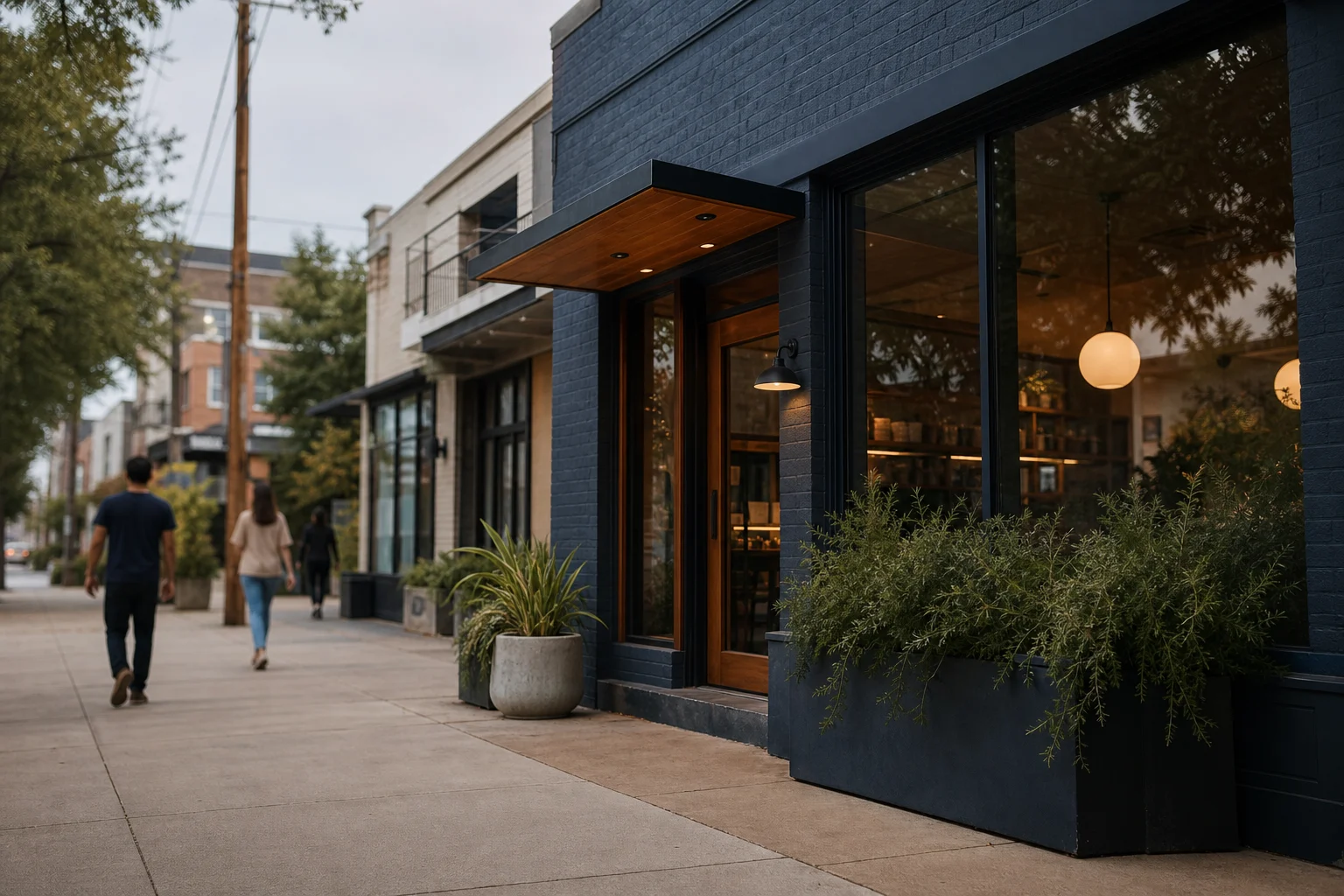
The permit stack to verify
When planning your dessert shop in Las Vegas, understanding the complete permit stack is crucial. Locavisor neighborhood scoring identifies Green Valley as the best fit for a new dessert shop, with an overall score of 6.1/10. This Henderson neighborhood corridor offers strong daytime office density, solid residential reach, and zero direct dessert competitors. Rent runs roughly $30-50/sqft NNN, making it workable for a medium-budget operator. The evening daypart scores well, which matters for dessert impulse after 5 PM.
The market temperature in Las Vegas is mixed, with medium competition density and low rent levels overall. With a score confidence of 78% based on the 2026-05 snapshot, you can rely on this data to make informed decisions about your dessert shop location and permit requirements.
City, state, landlord, health, fire, signage, and tax registrations
Your Las Vegas dessert shop will require multiple registrations across different categories. City-level permits are your first checkpoint, covering basic business operations within municipal boundaries. State-level registrations follow, ensuring compliance with Nevada's broader business regulations.
Landlord approvals are often overlooked but essential. Before signing any lease, verify that your intended use aligns with property zoning requirements. Health permits are non-negotiable for any food establishment, including dessert shops. Fire safety compliance comes next, particularly important if you plan to use cooking equipment or have seating areas.
Signage permits regulate how and where you can display your business name and branding. Tax registrations include both state sales tax and any local business taxes that may apply. Each category requires separate attention and documentation.
Documents to collect before lease signing
Before committing to a location, gather all necessary documentation to verify compliance requirements. For Green Valley, confirm that the property is zoned for food service businesses. The area's rent runs roughly $30-50/sqft NNN, which impacts your budget planning.
For UNLV Campus / Maryland Pkwy, be aware of existing competition. This area delivers the highest student density in the metro and strong late-night potential, but you'll face two established dessert competitors: Crumbl (4.8★, 3,017 reviews) and Insomnia Cookies (4.3★, 1,054 reviews). Rent is low — roughly $20-35/sqft NNN — making this a volume play with thin margins per transaction.
Lake Las Vegas offers strong walkability and existing dessert-foot traffic from Pinkbox Doughnuts (4.4★, 792 reviews) and multiple ice-cream shops. Rent is roughly $20-35/sqft NNN. However, the demand score is low — this corridor is tourist-and-bar driven, not residential-repeat for dessert.
Before signing any lease, verify that the property can accommodate your specific equipment needs and that there are no outstanding code violations that could delay your opening.
What varies by dessert shop format
Different dessert shop formats have varying permit requirements. A bakery producing goods off-site for delivery has different needs than a retail ice cream shop with seating. Mobile dessert carts face additional regulations regarding movement and temporary setups.
Your business model impacts which permits take priority. If you plan to serve customers on-site, seating area permits become essential. For delivery-only operations, commercial kitchen certifications take precedence. Understanding these variations helps you focus your compliance efforts efficiently.
FAQ
What permits do I need for A Dessert Shop in Las Vegas?
Your Las Vegas dessert shop will require multiple permits across different categories. City permits cover basic business operations, while state registrations ensure broader compliance. Landlord approvals verify zoning alignment. Health permits are mandatory for all food establishments. Fire safety compliance is essential, especially with cooking equipment. Signage permits regulate your visual branding. Tax registrations include both state and local business taxes. The specific requirements vary based on your shop's format and services.
Last reviewed: 2026-05-08
Sources: U.S. Census Bureau ACS, LEHD LODES, Google Places, OpenStreetMap, Locavisor neighborhood scoring.
Methodology: Locavisor scores neighborhoods across demand, competition fit, rent fit, accessibility, and customer match. Scores reflect a snapshot of recent data and should be combined with on-the-ground research before lease decisions.
Disclaimer: This article provides informational content only and does not constitute legal, financial, accounting, or real-estate advice. Verify lease terms, licensing, local regulations, costs, and professional requirements with qualified local professionals before making business decisions.
Free preview shows top 3 neighborhoods. Full $9.99 report covers all 10 areas with personalized scoring + 90-day check-ins.
Informational only. Verify lease, licensing, local regulations, costs, and professional requirements with qualified local professionals.