Miami, FL · dessert shop
Dessert shop permits Miami
Opening a dessert shop in Miami requires navigating a complex web of permits and licenses. With a weak market temperature, medium competition density, and medium rent level, understanding the compliance landscape is crucial for your business success. This guide breaks down the essential permits and licenses you'll need to verify when opening a dessert shop in Miami.
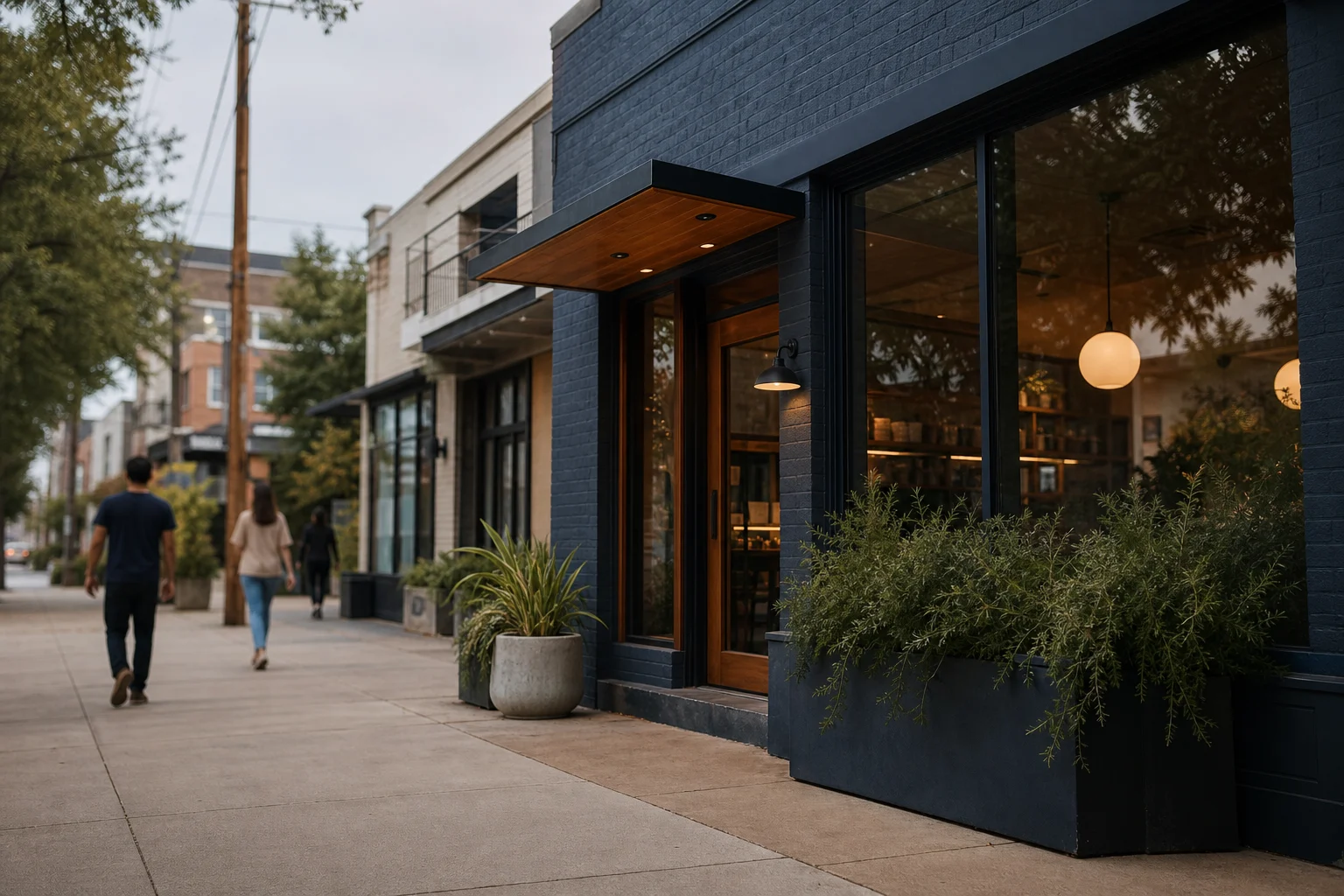
The permit stack to verify
Before signing any lease or making significant investments, founders must verify a comprehensive stack of permits and licenses. This verification process separates into five key categories: city, state, landlord, health/fire/building, and professional advice. Each category contains specific requirements that vary based on your exact business model, location, and operational scale.
The MiMo / Upper Eastside area presents your best option with an overall score of 5.5/10. This neighborhood's Biscayne Blvd corridor offers strong walkability, office-worker lunch traffic, and evening footfall from the restaurant row. While no direct dessert-specialty competitors exist, Caracas Bakery (4.2★, 570 reviews) and We We's Bakery (4.5★, 281 reviews) operate in adjacent bakery spaces. Rent in this area ranges from $45-70/sqft NNN.
Hialeah follows with a 5.2/10 score, offering strong residential density and a family-oriented customer base with zero direct dessert-specialty competitors. Rent runs roughly $45-70/sqft NNN. The trade-off involves minimal tourist traffic and moderate evening activity, meaning your dessert business will rely on local repeat visits rather than destination traffic.
Doral rounds out the top three with a 4.8/10 score. Its Downtown Doral and CityPlace Doral anchors create a planned retail ecosystem with strong daytime population and family density. However, rent is premium at $65-95/sqft NNN, reflecting the squeeze on a medium budget.
City, state, landlord, health, fire, signage, and tax registrations
City-level requirements typically include zoning verification and business tax registration. Miami's zoning regulations determine whether your chosen location permits food service operations. The business tax registration establishes your legal presence within the city limits and may involve periodic renewals.
State-level requirements encompass sales tax registration and employer identification if you plan to hire staff. Florida's sales tax system requires collecting and remitting taxes on all taxable sales. Employer identification numbers become necessary when transitioning from a sole proprietorship to a business with employees.
Landlord requirements often include build-out approval and compliance with lease terms. Before renovating your space, you'll need landlord approval for any construction or significant changes. Lease compliance extends to operating hours, signage restrictions, and specific use limitations outlined in your agreement.
Health regulations focus on food safety and handling procedures. These requirements address everything from employee hygiene to food storage temperatures. Your kitchen setup must meet specific standards regardless of whether you're baking on-site or preparing pre-made desserts.
Fire safety regulations mandate proper equipment placement and emergency exit accessibility. Requirements may include fire extinguishers, smoke detectors, and clear evacuation routes. The specific needs depend on your seating capacity and overall square footage.
Signage permits regulate the size, placement, and illumination of your business signage. Miami has specific ordinances governing commercial signs, particularly in historic districts like MiMo. Your branding elements must comply with these regulations to avoid costly modifications later.
Tax registrations include both state and local business taxes. Beyond sales tax, you may need to collect and remit local option taxes. The specific requirements depend on your business structure and revenue thresholds.
Documents to collect before lease signing
Before committing to a commercial lease, collect and review several critical documents. Property zoning verification confirms your chosen location permits food service operations. This document should explicitly list permitted uses and any restrictions that might impact your dessert shop concept.
Building code compliance documents verify that the space meets structural and safety requirements. These reports become especially important if you plan significant renovations or equipment installations. Look for any outstanding violations or required improvements that could increase your startup costs.
Health department requirements for the space outline specific needs related to food preparation, storage, and service. These documents may address plumbing adequacy, ventilation systems, and flooring materials suitable for food service operations.
Fire safety requirements include inspection reports and compliance certificates. Verify that the existing systems meet current standards and identify any necessary upgrades. Emergency exit configurations must align with occupancy calculations based on your planned seating capacity.
Signage restrictions documents outline limitations on size, height, and illumination. These regulations vary significantly between neighborhoods and can impact your branding strategy. Consider how these restrictions might affect your visibility and marketing approach.
Tax implications of the location include property tax assessments and any special assessments or improvement districts. Understanding these financial obligations helps you accurately project your operating costs and potential tax liabilities.
What varies by dessert shop format
Different dessert shop formats require different permit configurations. A bakery focusing on baked goods on-site will have different health and fire requirements than an ice cream shop with minimal preparation. Your specific menu and preparation methods determine many of your compliance obligations.
Seating capacity significantly impacts fire safety and occupancy requirements. A dessert café with seating for 20 people faces different regulations than a shop with space for 50 customers. These differences affect everything from restroom facilities to emergency exit width.
Takeout versus dine-in operations influence health department requirements. A takeout-only model may have simplified kitchen regulations compared to a full-service establishment with table service. Your operational model should align with your target market and business goals.
Food preparation methods determine specific health and safety requirements. Baked goods prepared on-site require different equipment and storage solutions than pre-made desserts assembled at your location. Your menu development should consider these compliance implications from the outset.
Seasonal operations may have different requirements than year-round establishments. If you plan to operate only during certain months, verify that your permits accommodate this schedule. Some permits may have annual renewal requirements regardless of operational periods.
FAQ
What permits do I need for A Dessert Shop in Miami?
You'll need to verify permits across several categories: city permits for zoning and business registration, state permits for sales tax and employer identification, landlord approvals for build-out and lease compliance, health permits for food handling and safety, fire permits for safety equipment and emergency exits, signage permits for your branding elements, and tax registrations for both state and local obligations.
How do I know if a location is zoned for a dessert shop?
Before signing a lease, verify the property's zoning classification. Miami's zoning code designates specific districts for commercial food service operations. Your landlord or property manager should provide zoning documentation confirming permitted uses for the space.
What health requirements apply to dessert shops?
Health regulations focus on food safety, proper storage temperatures, employee hygiene, and kitchen equipment standards. The specific requirements depend on your menu items and preparation methods. A dedicated food service consultant can help you understand the applicable health department requirements.
Do I need special permits for outdoor seating?
Outdoor seating typically requires additional permits beyond your standard business license. These permits address sidewalk usage, ADA compliance, and safety considerations. The requirements vary by location and neighborhood regulations.
How often do permits need to be renewed?
Permit renewal frequencies vary by type and jurisdiction. Business tax registrations typically require annual renewal, while health permits may need periodic inspections and renewals based on your operation's complexity. Consult with local authorities to establish a renewal calendar for your specific permits.
Can I operate a dessert shop from home?
Home-based dessert shops face additional zoning and health restrictions. Miami's residential zoning generally prohibits commercial food operations. If you plan to operate from home, verify local cottage food laws and any required home occupation permits.
What insurance requirements apply to dessert shops?
Most dessert shops require general liability insurance and property insurance. If you plan to serve customers on-site, you may need additional coverage for slip-and-fall incidents. Consult with an insurance professional to determine appropriate coverage levels for your specific business model.
Last reviewed: 2026-05-08
Sources: U.S. Census Bureau ACS, LEHD LODES, Google Places, OpenStreetMap, Locavisor neighborhood scoring.
Methodology: Locavisor scores neighborhoods across demand, competition fit, rent fit, accessibility, and customer match. Scores reflect a snapshot of recent data and should be combined with on-the-ground research before lease decisions.
Disclaimer: This article provides informational content only and does not constitute legal, financial, accounting, or real-estate advice. Verify lease terms, licensing, local regulations, costs, and professional requirements with qualified local professionals before making business decisions.
Free preview shows top 3 neighborhoods. Full $9.99 report covers all 10 areas with personalized scoring + 90-day check-ins.
Informational only. Verify lease, licensing, local regulations, costs, and professional requirements with qualified local professionals.