Minneapolis, MN · dessert shop
Dessert shop permits Minneapolis
Starting a dessert shop in Minneapolis requires navigating a complex web of permits and licenses. Before you can serve your first cupcake or ice cream cone, you'll need to verify compliance with city, state, and federal regulations. This guide breaks down the essential permits and licenses you'll need to open your dessert shop in Minneapolis, helping you avoid costly delays and compliance issues.
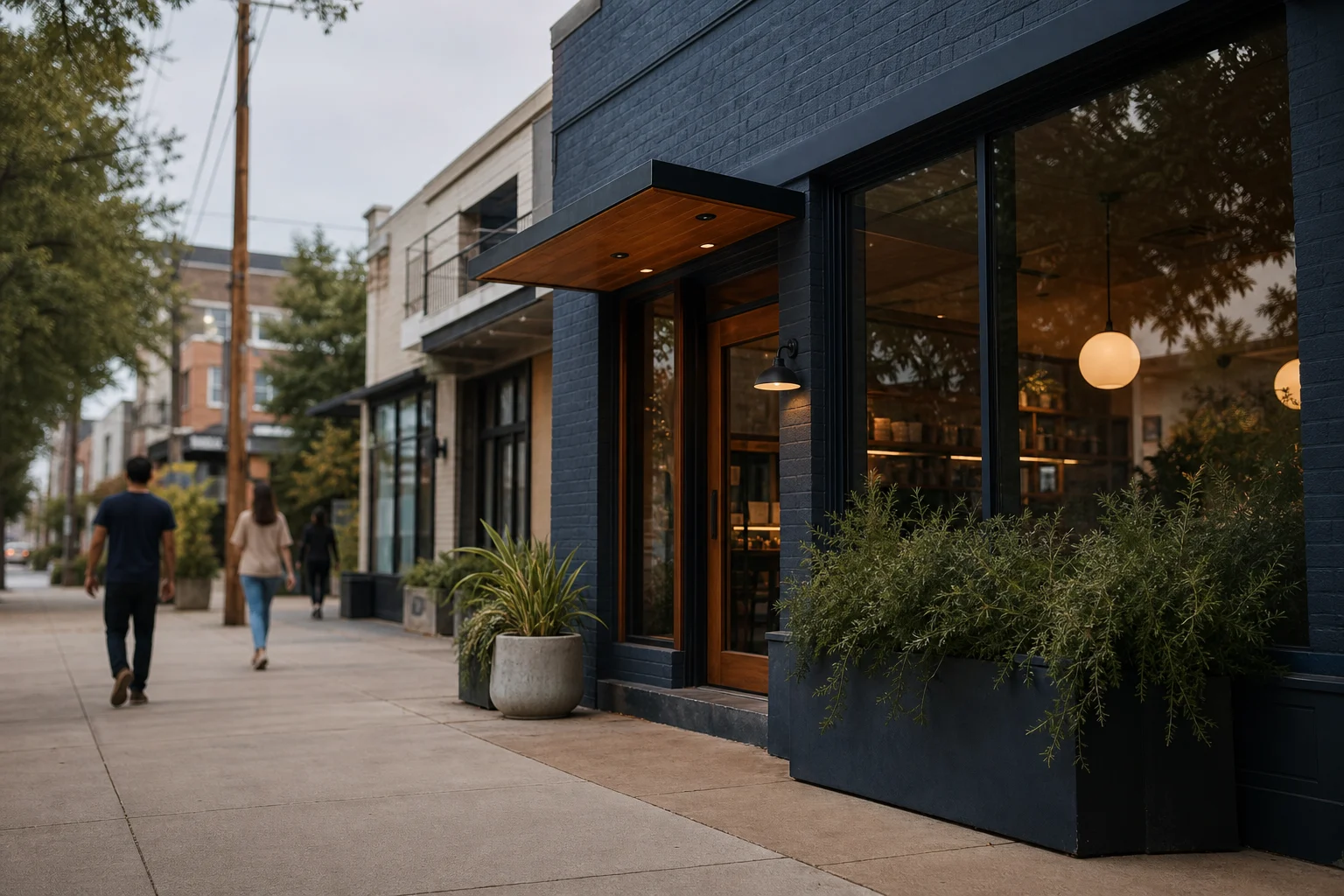
The permit stack to verify
Opening a dessert shop in Minneapolis involves verifying multiple layers of compliance. Each category requires specific documentation and approvals before you can legally operate. The permit stack includes city business licenses, state tax registrations, landlord approvals, health department permits, fire safety inspections, signage regulations, and tax registrations. Missing any of these components can delay your opening or result in fines.
City, state, landlord, health, fire, signage, and tax registrations
Minneapolis requires all dessert shops to obtain a city business license. This basic registration allows you to operate legally within city limits. You'll need to verify zoning regulations to ensure your chosen location permits food service operations. Some areas may have additional requirements based on their commercial designation.
State-level requirements include tax registration for sales tax collection. Minnesota requires all businesses selling goods to collect and remit sales tax. You'll need to register with the Minnesota Department of Revenue before opening your doors. Additionally, if you plan to hire employees, you'll need to register for unemployment insurance and workers' compensation.
Your landlord will likely require specific approvals before you can begin operations. This may include proof of insurance, business references, and sometimes a personal guarantee. Review your lease carefully to understand all landlord-imposed requirements before signing.
Health department compliance is critical for any food service business. You'll need to pass inspections covering food handling, storage, preparation, and service areas. The health department will verify that your facility meets sanitation standards and proper food safety protocols.
Fire safety regulations apply to all commercial food service operations. Your space must have proper fire extinguishers, emergency exits, and potentially a sprinkler system depending on the size and layout of your establishment. A fire inspection will be required before opening.
Signage regulations in Minneapolis govern the size, placement, and illumination of business signs. You'll need to verify that your planned signage complies with city codes, which may vary by neighborhood and building type.
Tax registrations include both federal and state requirements. Beyond sales tax, you may need to register for employer identification numbers if you plan to hire staff. Keep in mind that tax requirements can change, so verify current regulations before opening.
Documents to collect before lease signing
Before signing a commercial lease for your dessert shop, collect all necessary documentation to verify compliance requirements. This includes zoning verification from the city, confirming that the property is zoned for food service operations. Request utility information to understand operating costs and capacity for your specific needs.
Obtain building specifications including square footage, ceiling height, and existing infrastructure. This information will help determine renovation costs and requirements. Review historical inspection reports for the property to identify potential compliance issues that may need addressing.
Research neighborhood-specific regulations that might affect your operations. Some Minneapolis neighborhoods have additional requirements for food establishments, particularly in areas with high student populations or tourist activity. The Locavisor neighborhood scoring identifies Dinkytown (6.9/10) as the top-ranked area for a dessert concept, with student density maxed out, walkability near ceiling, and evening/late-night daypart scores city-leading. Two direct dessert competitors already operate within 35m (Insomnia Cookies at 4.3★/774 reviews, Bober Tea & Mochi Dough at 4.3★/341 reviews), proving demand but also requiring differentiation.
Stadium Village (6.8/10) ranks just behind Dinkytown with a near-identical student profile but zero direct dessert competitors on record. The area sits at the TCF Bank Stadium / light-rail node with strong daytime population density and good transit access. Rent is roughly $30-50/sqft NNN — similar to Dinkytown.
Cedar-Riverside (6.7/10) offers a different play: a dense, diverse residential corridor anchored by Augsburg University and the U of M West Bank, with strong transit via the Cedar-Riverside light-rail station. No direct dessert competitors exist, but Rebecca's Bakery & Cafe (4.8★, 528 reviews) operates nearby as a bakery-adjacent incumbent.
What varies by dessert shop format
The specific permits and licenses you'll need can vary based on your dessert shop format. A bakery producing goods for wholesale will have different requirements than a retail ice cream shop or a café serving desserts alongside beverages. Mobile dessert carts and food trucks face additional regulations regarding parking, health inspections, and waste disposal.
If your dessert shop plans to serve alcohol, you'll need additional permits beyond the standard requirements. Alcohol service involves separate licensing and more stringent regulations regarding service hours, employee training, and compliance checks.
Seasonal dessert shops or those operating at special events may have different permitting requirements. Temporary operations often need special event permits and may face different health and safety standards than permanent establishments.
FAQ
What permits do I need for A Dessert Shop in Minneapolis?
You'll need several permits to open a dessert shop in Minneapolis. These include a city business license, state tax registration, health department permits, fire safety inspections, and compliance with signage regulations. Your landlord may also require specific approvals before you can begin operations. The exact requirements can vary based on your specific business format and location within the city.
How long does it take to obtain all necessary permits?
The timeline for obtaining permits varies depending on the type of permits required and the current workload of the issuing agencies. Some permits can be obtained quickly, while others may require inspections and additional processing time. It's best to begin the permitting process as early as possible to avoid delays in your opening timeline.
Do I need different permits if I plan to sell alcohol?
Yes, serving alcohol requires additional permits beyond the standard food service licenses. Alcohol service involves separate licensing with specific requirements regarding service hours, employee training, and compliance with state and local alcohol regulations.
Are there special requirements for dessert shops in Minneapolis neighborhoods?
Some Minneapolis neighborhoods may have additional requirements for food establishments. The Locavisor neighborhood scoring identifies Dinkytown, Stadium Village, and Cedar-Riverside as top areas for dessert shops, each with its own characteristics and competition landscape. Research neighborhood-specific regulations that might affect your operations before choosing a location.
What happens if I don't obtain all necessary permits?
Operating without the required permits can result in fines, legal action, and forced closure of your business. It's essential to verify all requirements and obtain proper documentation before opening your dessert shop to avoid these consequences.
Last reviewed: 2026-05-08
Sources: U.S. Census Bureau ACS, LEHD LODES, Google Places, OpenStreetMap, Locavisor neighborhood scoring.
Methodology: Locavisor scores neighborhoods across demand, competition fit, rent fit, accessibility, and customer match. Scores reflect a snapshot of recent data and should be combined with on-the-ground research before lease decisions.
Disclaimer: This article provides informational content only and does not constitute legal, financial, accounting, or real-estate advice. Verify lease terms, licensing, local regulations, costs, and professional requirements with qualified local professionals before making business decisions.
Free preview shows top 3 neighborhoods. Full $9.99 report covers all 10 areas with personalized scoring + 90-day check-ins.
Informational only. Verify lease, licensing, local regulations, costs, and professional requirements with qualified local professionals.