Philadelphia, PA · dessert shop
Dessert shop permits Philadelphia
Opening a dessert shop in Philadelphia requires navigating a complex web of permits and licenses. Before you can serve your first cupcake or ice cream cone, you'll need to verify compliance with city, state, and federal regulations. This guide breaks down the essential permits and licenses you'll need to operate a successful dessert business in Philadelphia's competitive market.
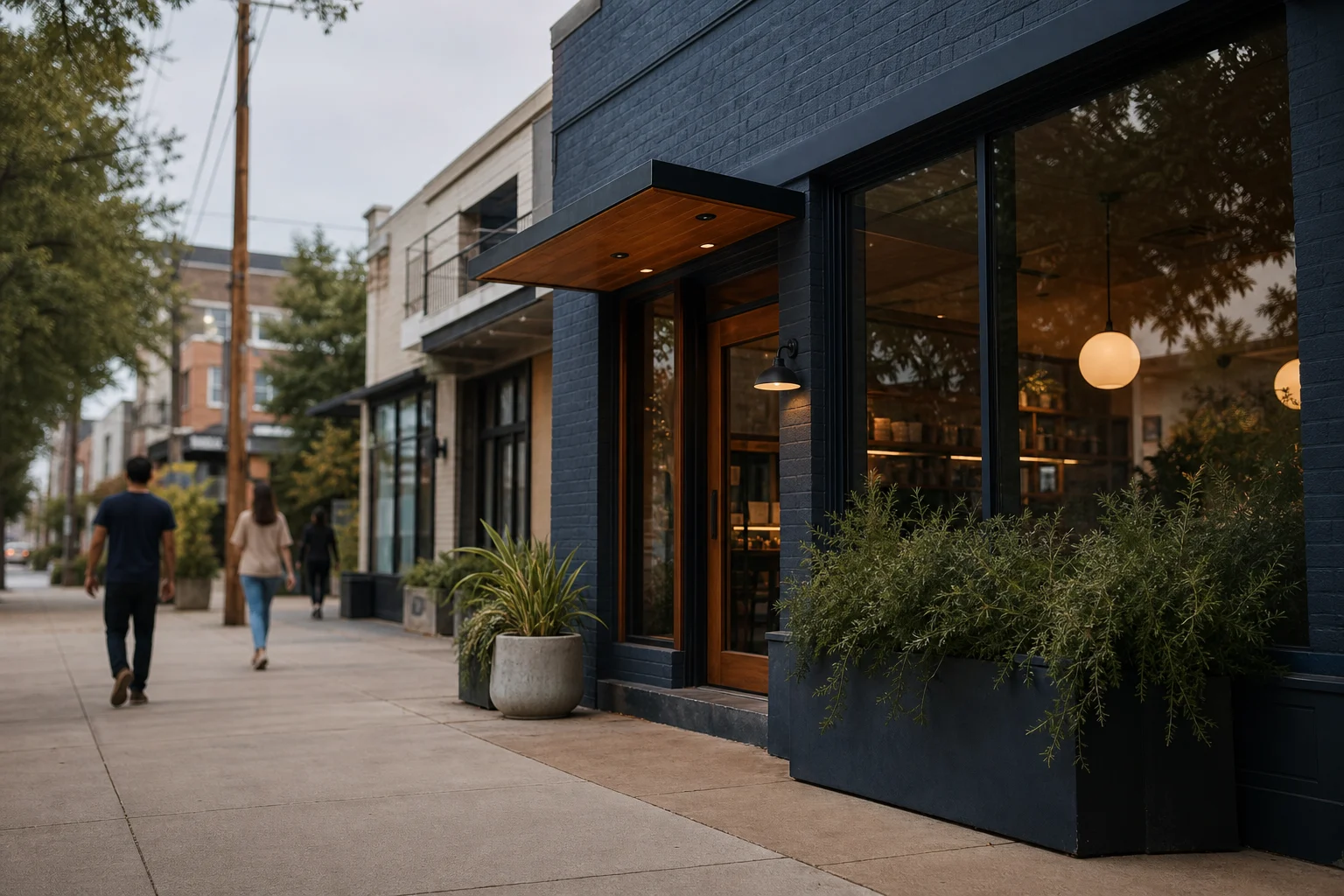
The permit stack to verify
Every dessert shop in Philadelphia requires a layered approach to compliance. The permit stack includes city registrations, state licenses, landlord requirements, health department approvals, fire safety certifications, signage permits, tax registrations, and insurance requirements. Each layer must be addressed before opening your doors to customers.
Philadelphia's dessert market shows mixed temperature with medium competition density. Rent levels vary by neighborhood, with Powelton Village offering medium rent at roughly $45-70/sqft NNN. The city's dessert scene includes established players like Coco's Cookies and Creamery (4.5★, 277 reviews), Insomnia Cookies (4.1★, 265 reviews), Surreal Creamery (4.5★, 212 reviews), Van Leeuwen (4.8★, 329 reviews), and Ben & Jerry's (4.0★, 250 reviews).
City, state, landlord, health, fire, signage, and tax registrations
Philadelphia requires specific city registrations for all food establishments. These include basic business operating permits and zoning compliance certificates. The city's Department of Licenses and Inspections oversees these requirements, which vary by neighborhood and business type.
State-level requirements for dessert shops include food handler certifications and sales tax collection authorization. Pennsylvania's Department of Agriculture regulates food safety standards, while the Department of Revenue manages tax collection requirements.
Landlord requirements often include additional permits beyond city and state regulations. These may include alterations to commercial spaces, equipment installation approvals, and compliance with building codes. Always review your lease agreement thoroughly before signing to understand all landlord-imposed requirements.
Health department approvals are critical for any food service business. Philadelphia's health regulations cover food preparation areas, storage facilities, employee hygiene practices, and sanitation standards. Inspections typically occur before opening and periodically during operation.
Fire safety certifications ensure your dessert shop meets Philadelphia's fire codes. These requirements include proper exit signage, fire extinguisher placement, and emergency evacuation plans. The Fire Department conducts inspections to verify compliance.
Signage permits regulate the size, placement, and illumination of business signs. Philadelphia has specific guidelines for commercial signage in different neighborhoods to maintain aesthetic consistency.
Tax registrations include business privilege licenses and sales tax collection permits. Philadelphia requires all businesses to register with the Department of Revenue and collect appropriate sales taxes on all transactions.
Documents to collect before lease signing
Before committing to a commercial space, gather all necessary documentation to verify compliance requirements. This includes zoning verification documents that confirm the property is properly zoned for food service operations.
Building code compliance documents verify that the space meets structural requirements for a food establishment. These may include floor plans, equipment specifications, and renovation plans.
Health department pre-approval documents can help you understand specific requirements before signing a lease. These may outline necessary equipment, facilities, and operational standards.
Fire safety documentation confirms that the space meets fire code requirements for your specific business type. This includes information on existing fire suppression systems and emergency exits.
Tax registration documents verify that the location is properly registered for business operations. This includes information about business privilege taxes and sales tax collection requirements.
What varies by dessert shop format
Different dessert shop formats have varying permit requirements. A full-service bakery with seating areas requires more extensive health and fire certifications than a counter-service ice cream shop.
Mobile dessert vendors face additional requirements regarding vehicle inspections, mobile food permits, and commissary kitchen access. These operations must comply with Philadelphia's mobile vending regulations.
Home-based dessert businesses transitioning to commercial spaces need to verify zoning changes and additional health requirements. The transition from residential to commercial use often requires special permits.
Seasonal dessert shops may have different registration requirements than year-round operations. Philadelphia has specific regulations for temporary food establishments that operate during limited periods.
FAQ
What permits do I need for A Dessert Shop in Philadelphia?
A dessert shop in Philadelphia requires a comprehensive stack of permits and licenses. These include city business operating permits and zoning compliance certificates, state food handler certifications and sales tax collection authorization, landlord approvals for space alterations, health department certifications for food safety, fire safety certifications, signage permits, and tax registrations. The specific requirements vary based on your shop's format, size, and location within Philadelphia.
Last reviewed: 2026-05-08
Sources: U.S. Census Bureau ACS, LEHD LODES, Google Places, OpenStreetMap, Locavisor neighborhood scoring.
Methodology: Locavisor scores neighborhoods across demand, competition fit, rent fit, accessibility, and customer match. Scores reflect a snapshot of recent data and should be combined with on-the-ground research before lease decisions.
Disclaimer: This article provides informational content only and does not constitute legal, financial, accounting, or real-estate advice. Verify lease terms, licensing, local regulations, costs, and professional requirements with qualified local professionals before making business decisions.
Free preview shows top 3 neighborhoods. Full $9.99 report covers all 10 areas with personalized scoring + 90-day check-ins.
Informational only. Verify lease, licensing, local regulations, costs, and professional requirements with qualified local professionals.