Portland, OR · dessert shop
Dessert shop permits Portland
Opening a dessert shop in Portland requires navigating a complex web of permits and licenses. The process can be overwhelming for new founders. Understanding the dessert shop license requirements Portland mandates is essential before investing in your business. This guide breaks down the verification process into manageable categories.
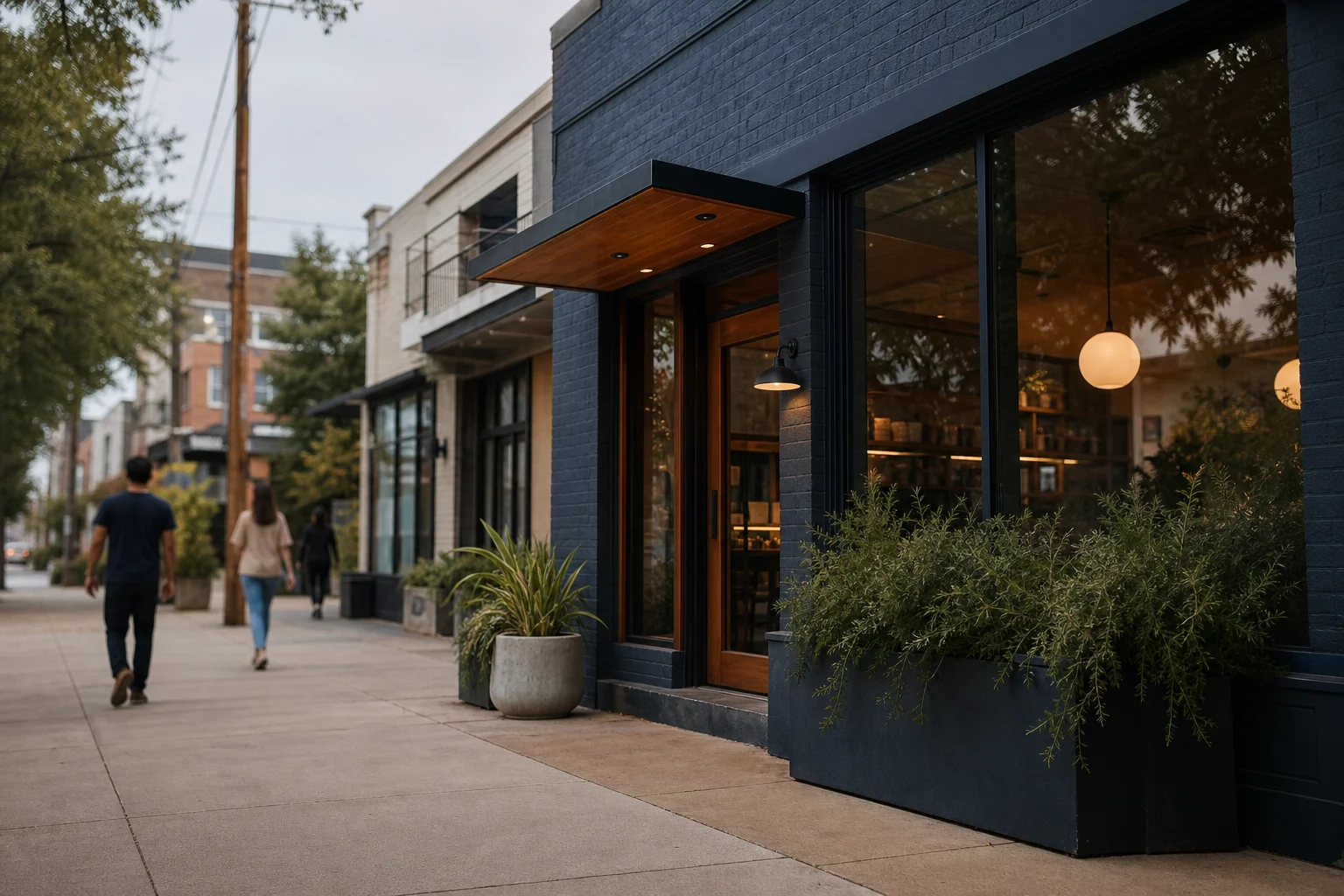
The Permit Stack to Verify
Every dessert shop in Portland must comply with multiple regulatory requirements. Founders need to verify each category thoroughly before opening. Missing even one requirement can delay your launch or result in fines. The verification process involves city, state, landlord, health, fire, signage, and tax registrations.
Portland's market presents mixed conditions for new dessert shops. Competition density is medium, with rent levels low compared to other cities. The market temperature is mixed, meaning some areas may be more favorable than others. Locavisor neighborhood scoring shows a 72% confidence level in these assessments based on the 2026-05 snapshot.
City, State, Landlord, Health, Fire, Signage, and Tax Registrations
City Requirements
Portland requires all businesses to obtain basic city registration. This typically involves verifying zoning regulations for your specific location. Some areas may have additional requirements based on their commercial designation.
Downtown Portland's core around Pioneer Courthouse Square and the MAX light rail hub offers strong walkability and a heavy tourist draw. The area has a dense residential population. Rent is moderate for the urban core—expect roughly $30-50/sqft NNN according to Locavisor neighborhood scoring.
Goose Hollow, adjacent to downtown, provides similar benefits with strong walkability and MAX light rail access. Providence Park event traffic adds to the area's potential customer base. Rent matches Downtown at roughly $30-50/sqft NNN. Blue Star Donuts operates just 103m from the centroid with 3,650 reviews, indicating direct competition.
St. Johns, a north Portland neighborhood anchored by N Lombard St and the St. Johns Bridge, offers moderate rent at roughly $30-50/sqft NNN. The area has a moderate residential base and above-average office density for a neighborhood corridor. Walkability is mid-tier, and transit access is bus-only.
State Requirements
Oregon state requires businesses to register for various tax purposes. This typically includes income tax withholding and other state-specific requirements. The state may also have additional regulations for food service businesses.
Landlord Requirements
Before signing a lease, verify all landlord requirements. These may include specific operating hours, maintenance responsibilities, and renovation restrictions. Some landlords require proof of certain insurance coverage before approving your tenancy.
Health Requirements
Food service businesses must meet health department regulations. This typically involves facility standards, food handling procedures, and employee hygiene practices. Regular inspections ensure compliance with these requirements.
Fire Requirements
Fire safety regulations apply to all commercial food establishments. These requirements may include fire suppression systems, emergency exits, and proper storage of flammable materials. Compliance is verified through periodic inspections.
Signage Requirements
Portland has specific regulations for business signage. These rules may govern size, placement, illumination, and content. Some historic districts or commercial zones have additional restrictions on signage.
Tax Registrations
Businesses must register with appropriate tax authorities. This typically includes federal, state, and local tax identification numbers. Proper tax registration ensures compliance with reporting and payment requirements.
Documents to Collect Before Lease Signing
Before committing to a commercial space, gather all necessary documentation. This includes zoning verification, building code compliance, and health department pre-approvals. The neighborhood data shows significant differences in walkability and transit access that may impact your customer base.
For Downtown and Goose Hollow locations, the strong walkability and transit access could support a higher volume of foot traffic. St. Johns offers a different profile with bus-only transit access and mid-tier walkability. Understanding these differences helps match your business model to the right location.
Verify that your intended use complies with the property's zoning designation. Some areas may have restrictions on food service operations or specific requirements for commercial kitchens. Landlord approval of your business concept should be documented before signing any lease.
What Varies by Dessert Shop Format
Different dessert shop formats may have varying requirements. A bakery producing goods off-site for delivery has different needs than a retail shop serving customers on premises. Mobile dessert carts face additional regulations regarding location and operation.
The competition density in Portland is medium, meaning there's room for specialized concepts. Consider how your format fits into the existing market. Blue Star Donuts' success in Goose Hollow suggests that quality dessert concepts can thrive in Portland's competitive landscape.
Your business model may affect which permits take priority. For example, shops producing goods for wholesale distribution may need different state registrations than retail-only establishments. Understanding these variations helps streamline your compliance process.
FAQ
What permits do I need for A Dessert Shop in Portland?
You'll need to verify city business registration, state tax registration, landlord approvals, health department compliance, fire safety requirements, signage permits, and appropriate tax registrations. The specific requirements may vary based on your location and business format.
How long does the permit process take?
The timeline for obtaining all necessary permits varies depending on the type of permits required and the specific circumstances of your business. Some registrations may be processed quickly, while others may require more time for review and inspection.
Can I apply for permits before finding a location?
Some permits, like state tax registration and basic business licenses, can be obtained before securing a physical location. However, location-specific permits like health department approvals and fire safety certifications typically require a physical address.
Do I need different permits for outdoor seating?
Outdoor seating areas often require additional permits and approvals. These may include sidewalk use permits, outdoor furniture compliance, and extended operating hour approvals. Check with the city for specific requirements in your area.
How often do I need to renew my permits?
Permit renewal requirements vary by type and jurisdiction. Some permits may need annual renewal, while others may be valid for multiple years. Keep track of renewal dates to ensure continuous compliance.
What happens if I don't obtain the proper permits?
Operating without proper permits can result in fines, closure orders, and legal consequences. It may also affect your ability to obtain necessary insurance coverage and could impact your business's reputation and customer trust.
How can I ensure I've obtained all necessary permits?
Create a comprehensive checklist of all potential permits and licenses required for your specific business type and location. Consult with local business associations and consider professional assistance to verify compliance with all requirements.
Last reviewed: 2026-05-08
Sources: U.S. Census Bureau ACS, LEHD LODES, Google Places, OpenStreetMap, Locavisor neighborhood scoring.
Methodology: Locavisor scores neighborhoods across demand, competition fit, rent fit, accessibility, and customer match. Scores reflect a snapshot of recent data and should be combined with on-the-ground research before lease decisions.
Disclaimer: This article provides informational content only and does not constitute legal, financial, accounting, or real-estate advice. Verify lease terms, licensing, local regulations, costs, and professional requirements with qualified local professionals before making business decisions.
Free preview shows top 3 neighborhoods. Full $9.99 report covers all 10 areas with personalized scoring + 90-day check-ins.
Informational only. Verify lease, licensing, local regulations, costs, and professional requirements with qualified local professionals.