San Antonio, TX · dessert shop
Dessert shop permits San Antonio
Opening a dessert shop in San Antonio requires navigating a complex web of permits and licenses. Before you can serve your first cupcake or ice cream cone, you'll need to verify compliance with local, state, and federal regulations. This guide breaks down the essential permits and licenses you'll need to open your dessert shop in San Antonio, helping you avoid costly delays and legal issues.
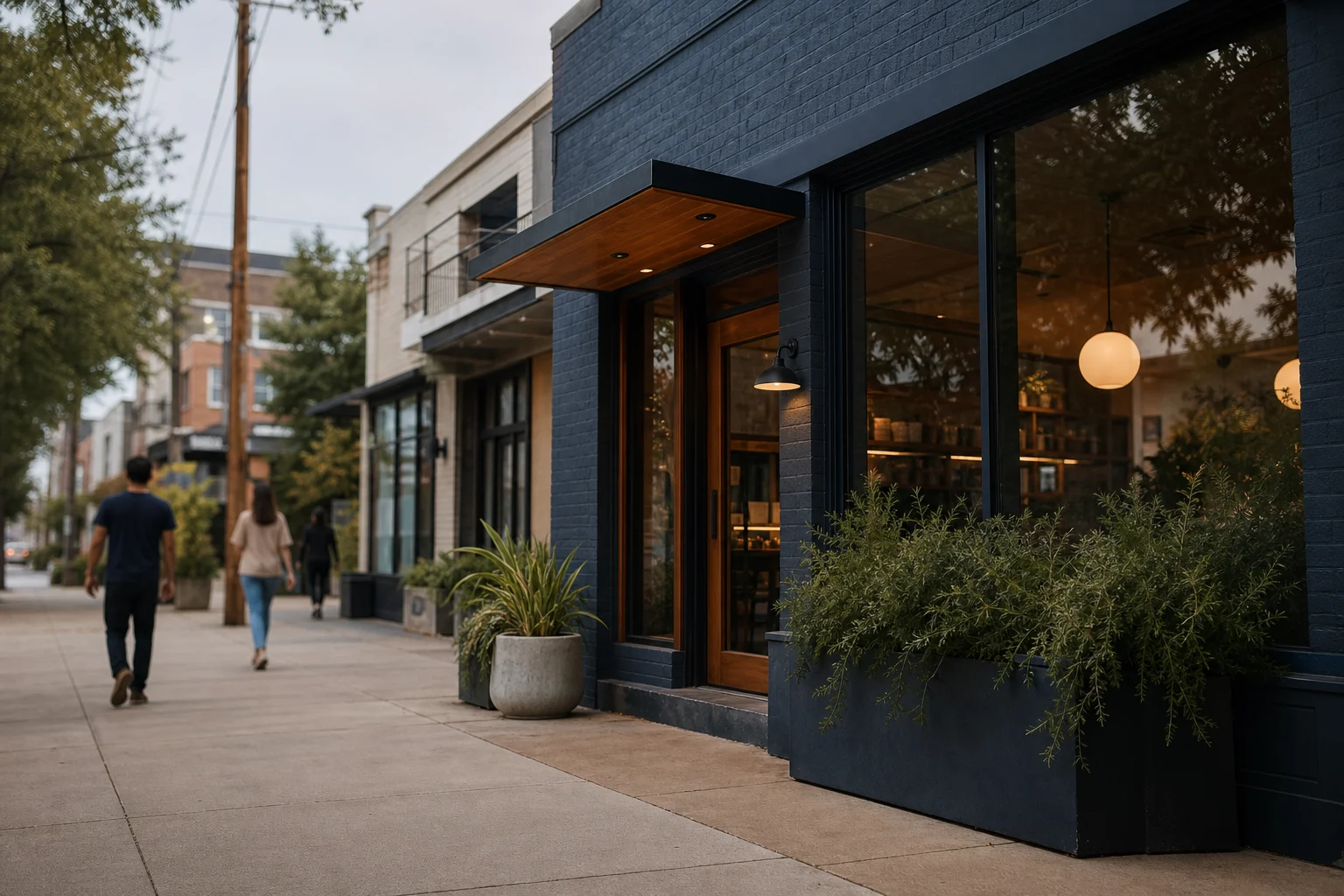
The Permit Stack to Verify
Every dessert shop in San Antonio must obtain a specific stack of permits and registrations before opening. These requirements vary based on your business structure, location, and the specific type of desserts you plan to sell. Missing even one required permit can lead to fines, forced closures, or legal trouble down the line.
San Antonio's market for dessert shops shows mixed temperature with medium competition density. The rent levels are generally low, making it an attractive option for new entrepreneurs. According to Locavisor neighborhood scoring, the data from 2026-05 shows a score confidence of 78%, providing reliable guidance for your permit planning.
City, State, Landlord, Health, Fire, Signage, and Tax Registrations
Your dessert shop will need permits from multiple levels of government and other entities. Here's a breakdown of the categories you'll need to address:
City Permits and Registrations
San Antonio requires all businesses to register with the city before opening. This typically includes a basic business registration and may include additional permits depending on your specific location and business activities. The city may also require zoning verification to ensure your chosen location is properly zoned for a dessert shop operation.
State Requirements
Texas has specific requirements for food establishments that sell desserts. These typically include state sales tax permits and possibly additional food-related registrations. The state may also require specific certifications if you plan to sell certain types of products like alcohol-infused desserts or operate as a cottage food producer.
Landlord Requirements
Before signing a lease, verify what permissions you need from your landlord. This may include modifications to the space, signage approval, and specific operating hours. Your lease agreement should clearly outline these requirements and any restrictions that might impact your permit applications.
Health Department Permits
Health permits are critical for any business selling food products. San Antonio's health department will inspect your facility to ensure it meets food safety standards. This typically includes requirements for food storage, preparation surfaces, employee hygiene, and pest control. The inspection process will verify that your equipment meets health codes and that you have proper handwashing facilities.
Fire Department Requirements
Your dessert shop will need to pass fire safety inspections. This includes verifying that your space has proper fire exits, functioning fire extinguishers, and meets occupancy limits. The fire department will also check that your electrical systems and cooking equipment (if applicable) comply with safety standards.
Signage Permits
Outdoor signage often requires separate permits from the city. San Antonio has specific regulations about sign size, placement, and illumination. Your landlord may also have additional requirements for signage within the building or shopping center.
Tax Registrations
You'll need to register for federal and state tax IDs. This includes sales tax collection permits and employer identification numbers if you plan to hire staff. San Antonio may also have local tax requirements that apply to your business.
Insurance Requirements
Most landlords and lenders require business liability insurance. You may also need specific coverage for food-related risks. Your insurance agent can help you determine what coverage is appropriate for your specific type of dessert shop.
Documents to Collect Before Lease Signing
Before committing to a commercial space, gather these essential documents:
- Zoning Verification: Confirm the property is zoned for food service businesses.
- Building Code Compliance: Verify the space meets current building codes for your intended use.
- Health Department Guidelines: Review specific requirements for food establishments in San Antonio.
- Fire Safety Requirements: Understand what fire safety features are already in place and what you'll need to add.
- Sign Regulations: Check local signage rules that might affect your visibility and branding.
- Tax Information: Understand local tax rates and collection requirements.
- Restrictive Covenants: Review any homeowner association or shopping center rules that might impact your operations.
Gathering these documents before signing a lease can prevent costly surprises and help you budget for necessary improvements and permit applications.
What Varies by Dessert Shop Format
Different types of dessert shops may have different permit requirements:
Bakery/Cake Shop
If you plan to bake on-site, you'll need additional health permits for commercial baking equipment. You may also need specific certifications for handling certain ingredients or allergens.
Ice Cream Shop
Ice cream shops often require additional permits for frozen dessert storage and handling. You may need specialized equipment certifications and temperature monitoring systems.
Candy Store
Candy stores may have different requirements depending on whether you make candy on-site or sell pre-packaged items. Homemade candy typically requires more health department oversight.
Coffee and Dessert Combo
If you plan to serve coffee alongside desserts, you'll need additional permits for beverage service. This may include different equipment certifications and employee training requirements.
Mobile Dessert Shop
Mobile vendors face additional requirements for vehicle permits, commissary kitchen access, and mobile unit inspections. These requirements are often more complex than for fixed locations.
FAQ
What permits do I need for A Dessert Shop in San Antonio?
You'll need a combination of city business registration, state tax permits, health department approvals, fire safety certifications, and potentially signage permits. The exact requirements depend on your specific business model, location, and the types of desserts you plan to sell.
How long does it take to get all the necessary permits?
Processing times vary depending on the type of permit and current workloads. Some permits can be obtained quickly, while others may require inspections and multiple approval steps. It's best to start the permit application process as early as possible to avoid delays.
Can I apply for permits before finding a location?
You can apply for some permits like state tax IDs and business registrations before securing a location. However, location-specific permits like health and fire approvals will require you to have a physical space lined up.
Do I need different permits if I plan to sell alcohol-infused desserts?
Yes, alcohol-infused desserts typically require additional permits from the Texas Alcoholic Beverage Commission. These requirements are separate from standard food service permits and have their own application processes and restrictions.
What happens if I open without all the required permits?
Operating without proper permits can result in fines, forced closure, and legal action. In severe cases, you may face criminal charges. It's always better to complete all required permit applications before opening your doors.
How often do I need to renew my permits?
Permit renewal requirements vary by type and jurisdiction. Some permits need annual renewal, while others may be valid for multiple years. Keep track of renewal dates to avoid lapses in compliance.
Do I need special permits for outdoor seating?
If you plan to have outdoor seating, you'll likely need additional permits for sidewalk use or patio construction. These permits often involve separate inspections and may have specific design requirements.
Can I handle the permit process myself or should I hire a professional?
While many entrepreneurs handle their own permit applications, the process can be complex and time-consuming. Hiring a professional with experience in San Antonio's permitting process can save time and reduce the risk of costly mistakes.
What records should I keep for my permits?
Maintain copies of all permits, inspection reports, and correspondence with regulatory agencies. These documents are essential for renewals, audits, and potential legal issues.
Are there any special considerations for dessert shops near UTSA Main Campus?
The UTSA Main Campus area has a strong daytime population with existing dessert-adjacent demand. However, you'll need to verify specific zoning requirements for this area and consider how student schedules might impact your operating hours and staffing needs.
Last reviewed: 2026-05-08
Sources: U.S. Census Bureau ACS, LEHD LODES, Google Places, OpenStreetMap, Locavisor neighborhood scoring.
Methodology: Locavisor scores neighborhoods across demand, competition fit, rent fit, accessibility, and customer match. Scores reflect a snapshot of recent data and should be combined with on-the-ground research before lease decisions.
Disclaimer: This article provides informational content only and does not constitute legal, financial, accounting, or real-estate advice. Verify lease terms, licensing, local regulations, costs, and professional requirements with qualified local professionals before making business decisions.
Free preview shows top 3 neighborhoods. Full $9.99 report covers all 10 areas with personalized scoring + 90-day check-ins.
Informational only. Verify lease, licensing, local regulations, costs, and professional requirements with qualified local professionals.