San Diego, CA · dessert shop
Dessert shop permits San Diego
Opening a dessert shop in San Diego requires navigating a complex web of permits and licenses. The city's vibrant food scene presents both opportunities and challenges for new entrepreneurs. Before you can serve your first cupcake or ice cream cone, you'll need to verify several compliance requirements across different jurisdictions and categories.
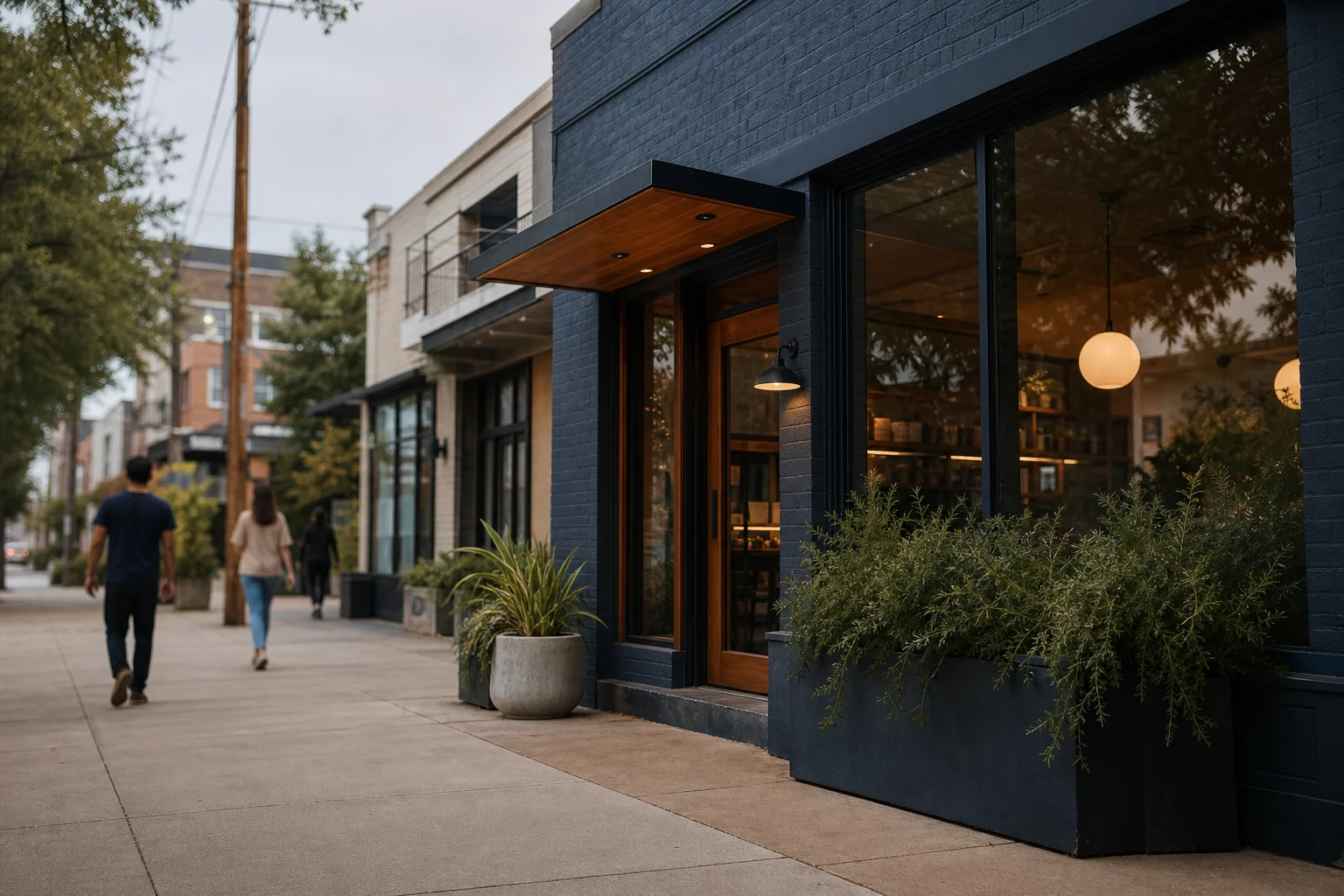
The permit stack to verify
Every dessert shop in San Diego must verify a stack of permits and licenses across multiple categories. These requirements ensure your business operates legally, safely, and contributes appropriately to the city's regulatory framework. The verification process involves coordinating between city agencies, state authorities, property owners, and industry-specific regulators.
San Diego's market conditions for dessert shops show a mixed temperature with medium competition density. Rent levels vary significantly across neighborhoods, with University City/UTC commanding the highest rates at $45-70/sqft NNN, while Convoy Asian Cultural District and Mission Valley offer more moderate options at $30-50/sqft NNN. Understanding these market dynamics helps you budget for both operational costs and compliance expenses.
City, state, landlord, health, fire, signage, and tax registrations
Your San Diego dessert shop will require registrations across several categories. City-level permits typically include basic business operating authorization and zoning compliance verification. State requirements usually involve sales tax registration and employer identification if you plan to hire staff.
Landlord permissions are often overlooked but crucial. These include modifications to your commercial space, signage installations, and operational hours that might affect neighboring tenants. Health permits cover food handling, storage, and preparation requirements specific to dessert operations. Fire safety compliance ensures your space meets evacuation and equipment standards.
Signage regulations control the size, placement, and illumination of your business signage. Tax registrations include both state sales tax collection authorization and any local business tax requirements. Each category has specific documentation and verification processes that must be completed before opening.
Documents to collect before lease signing
Before signing a commercial lease for your San Diego dessert shop, collect essential documents to avoid compliance surprises. Verify the property's zoning classification allows for food service operations. Request existing inspection reports for the space, particularly health and fire safety documentation.
Review your lease for clauses related to signage approval processes and operational restrictions. Obtain copies of any existing permits that transfer with the property. Check for any outstanding code violations or compliance issues that could affect your opening timeline.
For the top three San Diego areas for dessert shops, consider these factors:
University City / UTC (7.4/10) — Top-ranked area with maxed-out walkability, office density, and student presence anchored by UCSD and Westfield UTC. High daytime population means strong impulse-dessert traffic potential, but rent runs roughly $45-70/sqft NNN — a meaningful bite for a medium-budget operator.
Convoy Asian Cultural District (6.3/10) — Convoy is San Diego's designated Asian cultural dining corridor with strong evening restaurant traffic and multiple shopping plazas. Rent is moderate at roughly $30-50/sqft NNN, making it the most rent-friendly top-tier option.
Mission Valley (6.2/10) — Mission Valley offers the best rent fit of all areas at roughly $30-50/sqft NNN, anchored by two major malls (Mission Valley, Fashion Valley) and Snapdragon Stadium. Strong residential density supports repeat household traffic, but the corridor is car-oriented with dispersed retail pads rather than a walkable main street.
What varies by dessert shop format
Different dessert shop formats require different permit considerations. A bakery producing goods for wholesale distribution will have different state licensing requirements than a retail ice cream shop serving customers directly. Mobile dessert carts face unique mobile vendor permits and health compliance challenges.
Shops serving alcohol with desserts need additional state alcohol beverage control permits. Seasonal operations or those at special events may have temporary licensing requirements. Your specific menu offerings, production methods, and service model will determine which additional permits apply to your business.
Consider how your operational hours might affect permit requirements. Late-night dessert shops may have additional noise ordinances and parking considerations to address. Delivery operations might require separate commercial vehicle registrations and route approvals.
FAQ
What permits do I need for A Dessert Shop in San Diego?
Your San Diego dessert shop will need permits across several categories. City requirements typically include basic business operating authorization and zoning verification. State requirements usually involve sales tax registration and employer identification if hiring staff. Landlord permissions cover space modifications and signage installations. Health permits address food handling and preparation standards. Fire safety compliance ensures your space meets evacuation requirements. Signage regulations control the size and placement of your business signage. Tax registrations include both state sales tax authorization and any local business tax requirements. The specific permits required depend on your shop's format, menu offerings, and operational details.
How long does the permit verification process take in San Diego?
The timeline for permit verification varies based on several factors including your shop's specific requirements, the completeness of your application materials, and current processing volumes. Some permits may be approved quickly while others, particularly health and fire inspections, may require multiple visits and corrections before approval. Starting the process early and ensuring all documentation is complete helps minimize delays.
Can I operate a dessert shop from home in San Diego?
Home-based dessert operations face significant regulatory challenges in San Diego. Residential zoning typically prohibits commercial food preparation due to health and safety concerns. Even if permitted, home-based businesses usually cannot serve customers on-site and may face restrictions on signage, parking, and business hours. Most successful dessert shops operate from commercially zoned locations that meet health and safety requirements.
What are the consequences of operating without proper permits?
Operating without proper permits can result in fines, closure orders, and legal action. Health violations pose the most immediate risk, potentially leading to temporary or permanent closure. Unpermitted signage may require removal at your expense. Tax non-compliance can result in penalties and interest charges. Repeated violations may affect your ability to obtain permits in the future and damage your business reputation.
How do I know if my location is suitable for a dessert shop?
Location suitability depends on multiple factors including visibility, accessibility, parking, and proximity to complementary businesses. San Diego's top areas for dessert shops include University City/UTC, Convoy Asian Cultural District, and Mission Valley, each offering different advantages. University City/UTC provides strong daytime traffic with UCSD and Westfield UTC anchoring the area. Convoy offers moderate rents and strong evening restaurant traffic. Mission Valley has the best rent fit and is anchored by major malls and Snapdragon Stadium. Consider your target customer base and operational needs when evaluating locations.
Last reviewed: 2026-05-08
Sources: U.S. Census Bureau ACS, LEHD LODES, Google Places, OpenStreetMap, Locavisor neighborhood scoring.
Methodology: Locavisor scores neighborhoods across demand, competition fit, rent fit, accessibility, and customer match. Scores reflect a snapshot of recent data and should be combined with on-the-ground research before lease decisions.
Disclaimer: This article provides informational content only and does not constitute legal, financial, accounting, or real-estate advice. Verify lease terms, licensing, local regulations, costs, and professional requirements with qualified local professionals before making business decisions.
Free preview shows top 3 neighborhoods. Full $9.99 report covers all 10 areas with personalized scoring + 90-day check-ins.
Informational only. Verify lease, licensing, local regulations, costs, and professional requirements with qualified local professionals.