San Francisco, CA · dessert shop
Dessert shop permits San Francisco
Opening a dessert shop in San Francisco requires navigating a complex web of permits and licenses. The city's regulatory environment demands thorough preparation to avoid costly delays and compliance issues. For founders considering a dessert shop venture, understanding the specific requirements for San Francisco is crucial to a smooth launch.
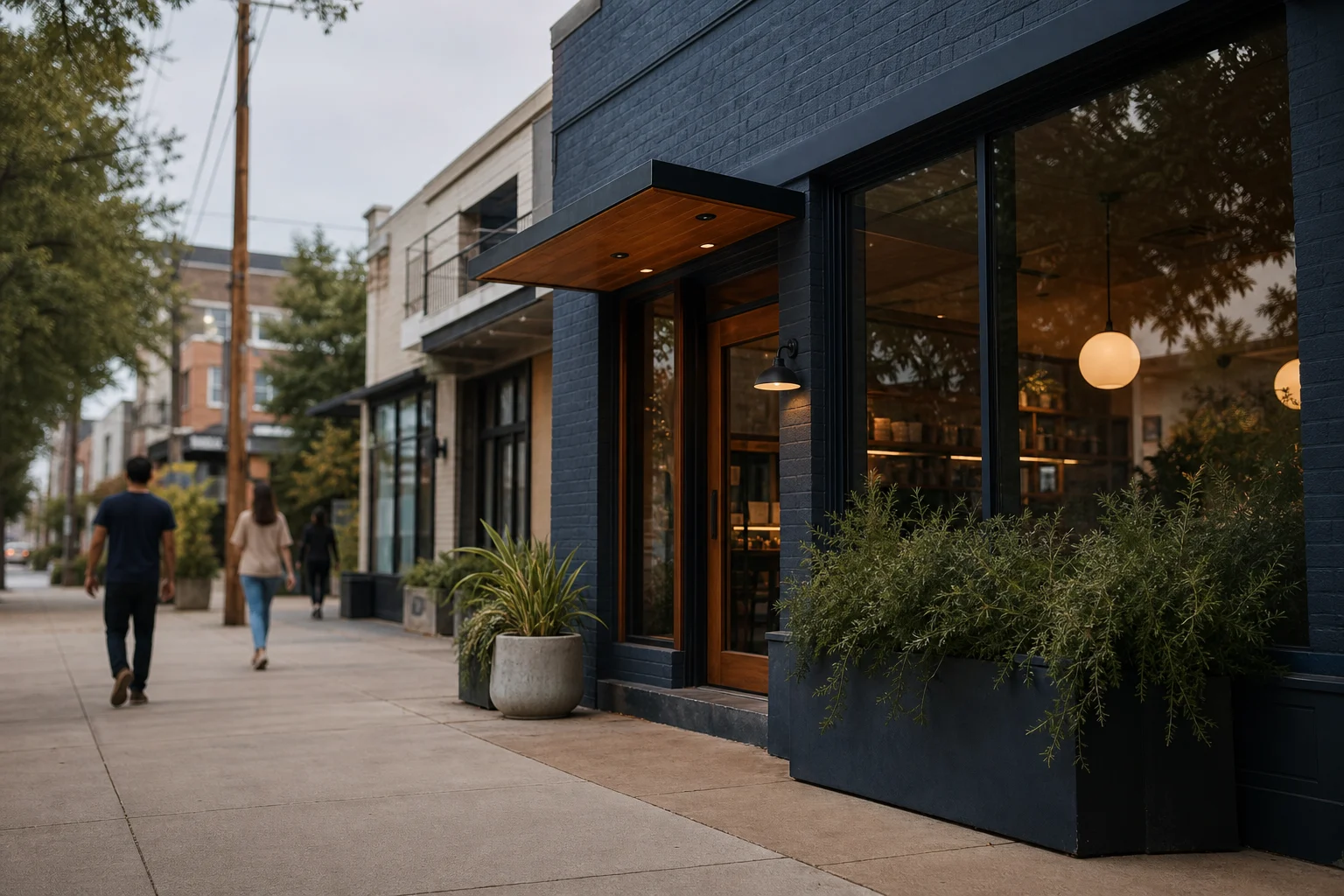
The permit stack to verify
Before signing any lease or making significant investments, founders must verify the complete permit stack required for their dessert shop operation. This checklist covers city, state, landlord, health, fire, signage, and tax registrations. While this guide provides a comprehensive overview, always consult with local authorities and professionals for your specific situation. The goal is to identify potential roadblocks early in your planning process.
City, state, landlord, health, fire, signage, and tax registrations
City requirements
San Francisco requires all businesses to obtain a basic business registration. This foundational document allows you to legally operate within city limits. Additionally, you'll need to verify zoning regulations for your specific location to ensure dessert shops are permitted in that area.
State requirements
California mandates certain state-level registrations for food establishments. These typically include a sales tax permit for collecting and remitting sales tax. You may also need to register with the California Department of Tax and Fee Administration for various business taxes.
Landlord requirements
Your lease agreement will likely contain specific provisions related to business operations. Review these carefully to understand any additional requirements imposed by your landlord. These might include restrictions on operating hours, signage specifications, or requirements for maintaining certain standards in your space.
Health requirements
Food establishments in San Francisco must comply with health department regulations. These typically cover food handling, storage, preparation, and service standards. You'll need to ensure your facility meets sanitation requirements and that your staff follows proper food safety protocols.
Fire requirements
Fire safety regulations apply to all commercial food establishments. Your space must have appropriate fire suppression systems, emergency exits, and fire extinguishers. You'll need to ensure your layout allows for safe evacuation in case of emergency.
Signage requirements
San Francisco has specific regulations regarding business signage. These cover size, placement, illumination, and content restrictions. You'll need to obtain approval for any exterior signs before installation. The city may have additional requirements for businesses in historic districts or specific neighborhoods.
Tax registrations
Beyond the basic sales tax permit, you may need additional tax registrations depending on your business structure and operations. These could include employer taxes if you plan to hire staff, or specific industry-related taxes. Consult with a tax professional to ensure you meet all tax obligations.
Documents to collect before lease signing
Before committing to a commercial space, gather all necessary documentation to verify compliance. Request copies of the property's current certificates of occupancy and any previous health or fire inspection reports. Obtain information about the building's utility capacity to ensure it can support your dessert shop's needs.
Review any existing permits associated with the space to understand what transfers or additional applications may be required. Check with the San Francisco Planning Department about any upcoming development projects or neighborhood changes that could impact your business. Research the area's specific zoning regulations to confirm your intended use is permitted.
What varies by dessert shop format
The specific permits and licenses required may vary depending on your dessert shop format. A full-service café serving desserts will have different requirements than a retail-only bakery or a mobile dessert vendor. Consider how you'll prepare and serve your products, as this impacts health and fire safety requirements.
If you plan to offer seating, you'll need additional considerations for occupancy limits and customer safety. Shops serving alcohol with desserts require separate permits and have additional compliance requirements. Seasonal or pop-up operations may have different registration processes than permanent locations. Your business model will determine which elements of this checklist require special attention.
FAQ
What permits do I need for A Dessert Shop in San Francisco?
You'll need a basic business registration from the city, state sales tax permit, and potentially additional state registrations depending on your specific products. Health department approval is required for food preparation areas, and fire safety compliance is mandatory. Your landlord may have specific requirements outlined in your lease, and you'll need to comply with signage regulations. The exact requirements depend on your specific business model and location.
How do I know if a location is suitable for my dessert shop?
Research the neighborhood's demographics, foot traffic, and competition. Consider factors like proximity to complementary businesses, accessibility, and parking availability. San Francisco offers several neighborhoods with different characteristics. For example, the Tenderloin offers high foot traffic but lower impulse dessert spending, while Nob Hill combines upscale residential density with strong tourist and office adjacency. The Excelsior/Outer Mission area has strong residential density and family appeal with existing bakery competition.
What should I look for in a commercial lease for a dessert shop?
Ensure the lease explicitly permits your intended use. Review provisions related to operating hours, signage, maintenance responsibilities, and renewal options. Verify that the space meets health and safety requirements for food establishments. Consider the length of the lease and any rent escalation clauses. It's also wise to understand the process for obtaining landlord consent if you need to make modifications to the space.
How long does the permit process take in San Francisco?
Processing times vary depending on the specific permits and the completeness of your application. Some permits may be approved relatively quickly, while others, particularly health department approvals, may require multiple inspections and take longer. It's advisable to start the permit application process as early as possible to avoid delays in your opening timeline.
Do I need special permits for outdoor seating or sidewalk service?
San Francisco has specific regulations for outdoor dining areas and sidewalk service. These typically involve additional permits and compliance with specific safety and accessibility requirements. If you plan to offer outdoor seating or service, you'll need to research these requirements separately from your basic business permits.
What are the best neighborhoods in San Francisco for a dessert shop?
Based on Locavisor neighborhood scoring, the top three areas for a dessert shop in San Francisco are:
Tenderloin (5.9/10) — Tenderloin offers the highest foot-traffic ceiling in SF for a dessert concept — maxed-out walkability, transit, and daytime population. Rent is manageable at roughly $45-70/sqft NNN. But customerMatch is weak (3.6): the area's affluence is below-average and the social-services context means impulse dessert spend is thin.
Nob Hill (5.8/10) — Nob Hill combines upscale residential density with strong tourist and office adjacency. Rent is similar to Tenderloin at roughly $45-70/sqft NNN.
Excelsior / Outer Mission (5.5/10) — Excelsior / Outer Mission is a genuine neighborhood corridor with strong residential density and family index — the highest family score of any ranked area. Rent is roughly $45-70/sqft NNN. The corridor already supports multiple inexpensive bakeries (Pacita's, Hong Kong Bakery, Princess Bakery) and one donut shop (Glaze Donuts, 4.3★).
Each neighborhood offers different advantages depending on your target market and business model.
Last reviewed: 2026-05-08
Sources: U.S. Census Bureau ACS, LEHD LODES, Google Places, OpenStreetMap, Locavisor neighborhood scoring.
Methodology: Locavisor scores neighborhoods across demand, competition fit, rent fit, accessibility, and customer match. Scores reflect a snapshot of recent data and should be combined with on-the-ground research before lease decisions.
Disclaimer: This article provides informational content only and does not constitute legal, financial, accounting, or real-estate advice. Verify lease terms, licensing, local regulations, costs, and professional requirements with qualified local professionals before making business decisions.
Free preview shows top 3 neighborhoods. Full $9.99 report covers all 10 areas with personalized scoring + 90-day check-ins.
Informational only. Verify lease, licensing, local regulations, costs, and professional requirements with qualified local professionals.