Seattle, WA · dessert shop
Dessert shop permits Seattle
Opening a dessert shop in Seattle requires navigating a complex web of permits and licenses. This guide breaks down the compliance landscape for small-business founders looking to launch a dessert business in the Emerald City. The permit process can be overwhelming, but understanding the requirements upfront helps prevent costly delays and compliance issues down the road.
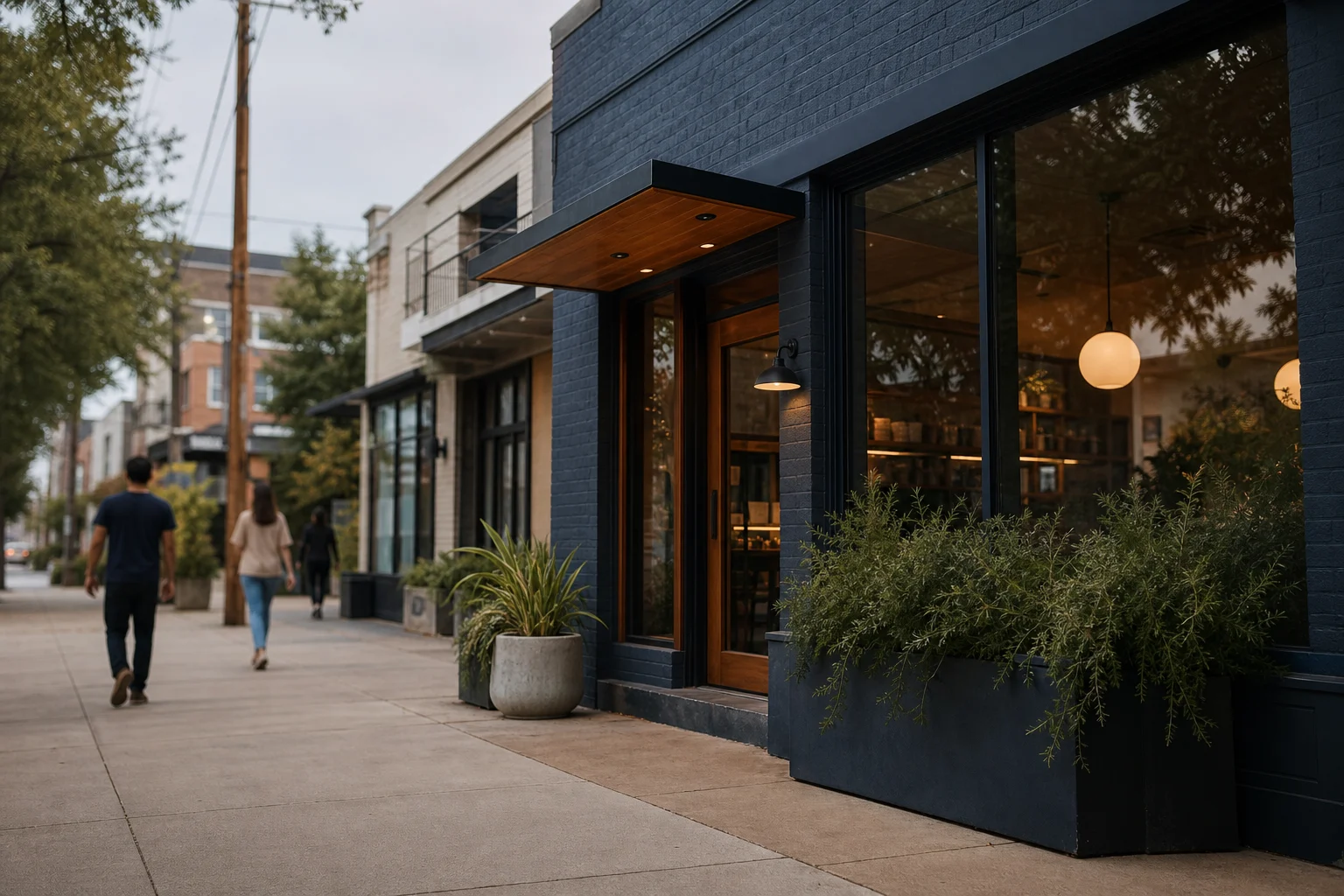
The Permit Stack to Verify
When planning your dessert shop permits Seattle, you'll need to verify several categories of requirements. The compliance landscape varies by location, business model, and specific operations. Seattle's regulatory environment requires founders to address city, state, landlord, health, fire, signage, tax, insurance, and professional review categories before opening. Each category contains specific documentation and verification steps that must be completed in sequence.
City, State, Landlord, Health, Fire, Signage, and Tax Registrations
City Requirements
Seattle city registration forms the foundation of your compliance framework. This includes basic business registration and zoning verification for your chosen location. The city's requirements vary by neighborhood, with the U-District (University District) scoring 7.1/10 as the best area for a dessert shop based on Locavisor neighborhood scoring. The U-District offers maxed-out student density, strong walkability, and a late-night daypart profile that aligns perfectly with dessert impulse buying. Two direct competitors (Insomnia Cookies 4.0★, Donut Factory 4.3★) exist but leave room for a differentiated concept.
State Requirements
State-level registration covers broader business operations. Washington state requires basic business licensing and may have specific requirements for food-related businesses. The state's requirements apply uniformly across Seattle neighborhoods, though local enforcement may vary. Wallingford (6.8/10) presents another strong option, with its N 45th St corridor offering dense residential, indie F&B scene, and above-average affluence. Two dessert competitors (Doce Donut Co 4.5★, Cookie Crave & Creamery 4.7★) operate in this area but both have limited hours, creating potential opportunity for extended service hours.
Landlord Requirements
Your lease agreement will contain specific requirements that must be satisfied before opening. These often include proof of insurance, business registration, and sometimes specific build-out approvals. Roosevelt (6.3/10) represents an emerging corridor anchored by the light rail station and Roosevelt Square. No direct dessert-specialty competitors exist within the area, which is both an opportunity and a risk — the dessert demand hasn't been proven here yet. Office density is above-average, giving weekday lunch traffic that the U-District lacks.
Health Requirements
Health compliance is critical for any food service business. Seattle's health department requirements cover food handling, storage, preparation, and service standards. The market temperature for dessert shops in Seattle is promising with medium competition density. Rent levels are low compared to other food service categories, making entry more accessible for new entrepreneurs.
Fire Requirements
Fire safety regulations apply to all commercial food service operations. These requirements cover equipment placement, emergency exits, and fire suppression systems. The Locavisor neighborhood scoring data from 2026-05 shows a score confidence of 82%, providing reliable guidance for location selection.
Signage Requirements
Signage regulations control the visual impact of your business on the surrounding area. These rules cover size, placement, illumination, and content of signs. The market analysis indicates promising conditions for dessert shops, with the U-District offering the strongest overall profile for this business category.
Tax Registrations
Tax compliance includes business licensing, sales tax registration, and employment tax requirements. These requirements apply regardless of your specific location within Seattle but may have local variations in enforcement and reporting.
Documents to Collect Before Lease Signing
Before committing to a lease location, gather documentation for each compliance category. The verification process should begin early in your planning phase to avoid unexpected obstacles. Seattle's regulatory environment requires thorough documentation across multiple agencies.
For city requirements, verify zoning classifications and business registration processes. State documentation should include basic licensing information and any food-specific requirements. Landlord documentation often includes insurance certificates and proof of business registration. Health documentation should cover food handling certifications and facility requirements. Fire documentation includes emergency planning and equipment specifications. Signage documentation covers design guidelines and placement restrictions. Tax documentation includes business license applications and sales tax permits.
The U-District's 7.1/10 score reflects its strong alignment with dessert shop requirements, including high student density and walkability. Wallingford's 6.8/10 score indicates strong residential density and an indie F&B scene. Roosevelt's 6.3/10 score suggests emerging potential with above-average office density but unproven dessert demand. Each location presents different compliance considerations based on its specific characteristics.
What Varies by Dessert Shop Format
Different dessert shop formats may have varying compliance requirements. Counter-service operations typically have different health and fire requirements than full-service establishments. Bakeries may have different equipment regulations than ice cream shops or dessert cafes.
The competition density in Seattle's dessert market is medium, with direct competitors in the U-District and Wallingford. The absence of direct competitors in Roosevelt presents both opportunity and risk. Rent levels are low across all three areas, ranging from roughly $30-50/sqft NNN in Wallingford and Roosevelt.
Market temperature analysis indicates promising conditions for new dessert shops. The U-District's late-night daypart profile aligns perfectly with dessert impulse buying, while Wallingford's residential density supports a neighborhood-repeat model. Roosevelt's office density provides weekday lunch traffic that complements the U-District's stronger evening profile.
FAQ
What permits do I need for A Dessert Shop in Seattle?
The permits required for a dessert shop in Seattle fall into several categories: city registration, state licensing, landlord approvals, health compliance, fire safety, signage regulations, tax registration, insurance requirements, and professional review. Each category contains specific documentation and verification steps that must be completed before opening.
How do Seattle neighborhoods differ for dessert shop permits?
Seattle neighborhoods vary in their compliance requirements based on zoning, competition density, and local regulations. The U-District (7.1/10) offers maxed-out student density and strong walkability. Wallingford (6.8/10) has dense residential and an indie F&B scene. Roosevelt (6.3/10) has above-average office density but no proven dessert demand. Each location presents different compliance considerations.
When should I start the permit verification process?
Begin the permit verification process as early as possible in your planning phase. The compliance process can take time, with requirements varying by location and business format. Starting early helps prevent delays in your opening timeline and ensures all requirements are met before investing in build-out and inventory.
How does competition affect permit requirements?
Competition density doesn't directly affect permit requirements, but it does influence business planning and location strategy. Seattle's medium competition density in the dessert market suggests room for differentiated concepts. The U-District has two direct competitors (Insomnia Cookies 4.0★, Donut Factory 4.3★), while Wallingford has Doce Donut Co 4.5★ and Cookie Crave & Creamery 4.7★. Roosevelt has no direct dessert-specialty competitors.
What documentation do I need from my landlord?
Landlord documentation typically includes proof of business registration, insurance certificates, and sometimes specific build-out approvals. Requirements vary by property and lease agreement. Review your lease carefully to understand all documentation requirements before signing.
Last reviewed: 2026-05-08
Sources: U.S. Census Bureau ACS, LEHD LODES, Google Places, OpenStreetMap, Locavisor neighborhood scoring.
Methodology: Locavisor scores neighborhoods across demand, competition fit, rent fit, accessibility, and customer match. Scores reflect a snapshot of recent data and should be combined with on-the-ground research before lease decisions.
Disclaimer: This article provides informational content only and does not constitute legal, financial, accounting, or real-estate advice. Verify lease terms, licensing, local regulations, costs, and professional requirements with qualified local professionals before making business decisions.
Free preview shows top 3 neighborhoods. Full $9.99 report covers all 10 areas with personalized scoring + 90-day check-ins.
Informational only. Verify lease, licensing, local regulations, costs, and professional requirements with qualified local professionals.