Atlanta, GA · dry cleaner
Dry cleaner permits Atlanta
Opening a dry cleaner in Atlanta requires navigating a specific set of permits and licenses that vary by location and business type. For small-business founders, understanding these requirements before signing a lease can save significant time and resources. This guide breaks down the essential permits, common pitfalls, and neighborhood considerations for dry cleaner operations in Atlanta, GA.
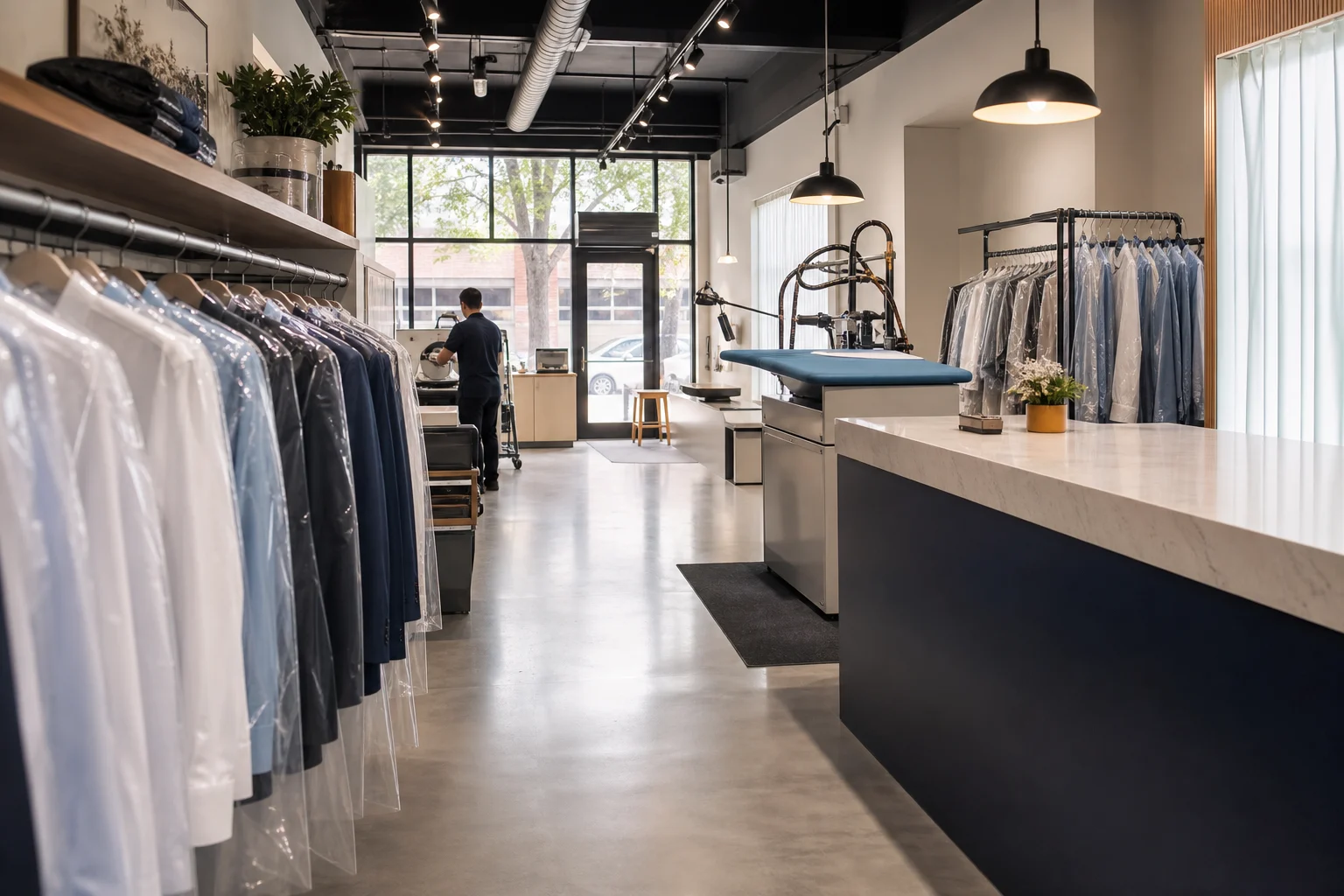
Why permits matter before you sign a lease
Securing the right permits isn't just a bureaucratic formality-it's a critical step that can make or break your dry cleaning business launch. Many founders make the mistake of finding a perfect location first, only to discover later that the property isn't zoned for dry cleaning operations or requires costly modifications to meet environmental regulations.
The dry cleaning industry involves handling chemicals and waste that require specific environmental permits. Atlanta's Department of Watershed Management and Department of Public Health have strict requirements for businesses using solvents and processing textiles. Without proper permits, you risk fines, closure orders, and costly retrofits that could have been avoided with proper planning.
Additionally, landlords often require proof of permit applications before finalizing leases. Some commercial properties in Atlanta have restrictions on businesses that handle hazardous materials, and attempting to operate without proper authorization can void your lease agreement and expose you to legal liability.
Required permits and licenses for a dry cleaner in Atlanta
The specific permits you'll need depend on your dry cleaner's operations, but most Atlanta dry cleaning businesses require several key authorizations:
Business License: All businesses operating in Atlanta must obtain a business license from the City of Atlanta. This is your basic operating permit and is typically the first step in the process.
Environmental Permits: Dry cleaners using chemical solvents require permits from the Georgia Environmental Protection Division. These permits regulate the handling, storage, and disposal of perc (perchloroethylene) and other dry cleaning chemicals. The application process involves demonstrating proper waste management procedures and safety protocols.
Health Department Permits: The Fulton County Board of Health issues permits for businesses handling textiles and customer goods. This ensures your facility meets sanitation standards for processing clothing and other items.
Fire Department Permits: If your dry cleaner uses flammable materials or has specific storage requirements, you may need permits from the Atlanta Fire Rescue Department to ensure compliance with fire safety codes.
Signage Permits: Atlanta has specific regulations about business signage, including size, placement, and illumination. You'll need approval for any exterior signs before installation.
Zoning Permits: Confirm your chosen location is zoned for commercial use and specifically allows dry cleaning operations. Some Atlanta neighborhoods have restrictions on service-based businesses.
Realistic timeline from application to opening
The permit approval process in Atlanta typically takes several weeks to months, depending on the complexity of your application and the specific permits required. Simple business licenses may be approved within a few weeks, while environmental permits involving chemical use can take a variable local timeline or longer.
The timeline also depends on whether your application is complete and whether any additional information is requested during the review process. Incomplete applications or missing documentation are common reasons for delays.
It's wise to start the permit application process at least 90 days before your planned opening date. This buffer allows time for revisions, inspections, and any necessary modifications to your space.
Common reasons applications get rejected in Atlanta
Understanding why permit applications get rejected can help you avoid these pitfalls:
Incomplete Applications: Missing signatures, fees, or required documentation is the most common reason for rejection. Double-check all requirements before submission.
Non-Compliant Space: Many dry cleaner rejections occur because the physical space doesn't meet zoning requirements or building codes. Atlanta has specific requirements for ventilation, chemical storage, and waste disposal that must be addressed before approval.
Environmental Violations: Failure to demonstrate proper handling and disposal of dry cleaning chemicals is a frequent issue. The Georgia EPD has strict requirements that must be clearly documented.
Health Code Violations: Inadequate sanitation procedures or improper textile handling can lead to health department rejections. Atlanta's health standards for dry cleaners are specific and must be followed precisely.
Fire Safety Issues: Improper storage of flammable materials or lack of appropriate fire suppression systems can result in rejection from the fire department.
How to budget for permits and inspections
While exact permit fees vary, you should budget for several categories of costs when planning your dry cleaner launch in Atlanta:
Modifications: If your space doesn't meet current codes, you may need to invest in ventilation systems, chemical storage facilities, or other upgrades before approval.
Contingency Fund: Always include a 20% contingency in your budget for unexpected costs or additional requirements that may arise during the permitting process.
Remember that permit costs are separate from your operational expenses and should be budgeted for specifically. Cutting corners on permits can lead to much higher costs later if you need to retroactively address compliance issues.
Quick reference - which neighborhoods minimize permit friction
Atlanta's neighborhoods vary in their suitability for dry cleaning businesses, with some offering more straightforward permitting processes than others. Based on Locavisor's analysis of neighborhood characteristics and existing business density, here's how the top five Atlanta neighborhoods for dry cleaners stack up:
| Neighborhood | Locavisor Score | Rent Band | Key Considerations |
|---|---|---|---|
| Smyrna / Vinings | 7.4/10 | $24-$55/sqft/yr NNN | Strong commercial presence with multiple malls and office buildings |
| Sandy Springs | 6.9/10 | $24-$55/sqft/yr NNN | Established business community with existing dry cleaners |
| West Midtown / Westside | 6.4/10 | $42/sqft/yr NNN | Higher rent but strong commercial activity |
| Brookhaven | 6.4/10 | $24-$55/sqft/yr NNN | Mixed-use development with retail and office space |
| Old Fourth Ward (O4W) | 6.3/10 | $24-$55/sqft/yr NNN | Growing neighborhood with existing dry cleaning operations |
Smyrna/Vinings leads with the highest Locavisor score, indicating it has the best combination of commercial activity, accessibility, and existing business infrastructure for dry cleaners. The neighborhood features major anchors like Cumberland Mall and Vinings Jubilee, providing built-in customer traffic.
West Midtown/Westside, scoring 6.4/10, has higher rent at $42/sqft/yr NNN but benefits from strong commercial activity and existing dry cleaning operations like dryo cleaners. The neighborhood's mix of retail and office spaces creates diverse customer bases.
Brookhaven and Old Fourth Ward, both scoring 6.4/10, offer competitive options with established retail centers and transportation access. Highland Cleaners operates successfully in Old Fourth Ward, demonstrating the viability of dry cleaning businesses in this area.
When choosing a neighborhood, consider not just the permitting environment but also the rent structure, customer demographics, and competition. Neighborhoods with existing dry cleaners may have more streamlined permitting processes, as the infrastructure and requirements are already established.
FAQ
What permits do I need to open a dry cleaner in Atlanta?
To open a dry cleaner in Atlanta, you'll typically need a business license from the City of Atlanta, environmental permits from the Georgia Environmental Protection Division (if using chemical solvents), health department permits from Fulton County, and potentially fire department permits depending on your operations. Zoning permits are also required to ensure your location is approved for commercial dry cleaning use.
How long does it take to get dry cleaner permits in Atlanta?
The timeline varies by permit type, but you should expect the process to take a variable local timeline for standard permits. Environmental permits involving chemical use often take longer, typically a variable local timeline. Starting the application process at least 90 days before your planned opening gives you adequate buffer time for any delays or additional requirements.
Can I operate a dry cleaner from home in Atlanta?
Home-based dry cleaning operations in Atlanta are generally not permitted due to zoning restrictions and environmental regulations. Dry cleaning involves handling chemicals and waste that require specific ventilation, storage, and disposal systems typically found in commercial spaces. Most Atlanta neighborhoods have zoning ordinances that prohibit service businesses like dry cleaners from residential areas.
What are the biggest challenges in getting dry cleaner permits in Atlanta?
The most common challenges include ensuring your space meets environmental and health code requirements for chemical handling, demonstrating proper waste disposal procedures, and navigating the specific zoning regulations for your chosen neighborhood. Incomplete applications and failure to address code violations during inspections are frequent obstacles that delay permit approval.
Last reviewed: 2026-05-30
Sources: U.S. Census Bureau ACS, LEHD LODES, Google Places, OpenStreetMap, Locavisor neighborhood scoring.
Methodology: Locavisor scores neighborhoods across demand, competition fit, rent fit, accessibility, and customer match. Scores reflect a snapshot of recent data and should be combined with on-the-ground research before lease decisions.
Disclaimer: This article provides informational content only and does not constitute legal, financial, accounting, or real-estate advice. Verify lease terms, licensing, local regulations, costs, and professional requirements with qualified local professionals before making business decisions.
Free preview shows top 3 neighborhoods. Full $9.99 report covers all 10 areas with personalized scoring + 90-day check-ins.
Informational only. Verify lease, licensing, local regulations, costs, and professional requirements with qualified local professionals.