Boston, MA · dry cleaner
Dry cleaner permits Boston
Opening a dry cleaner in Boston requires navigating a complex web of permits and licenses. Before you invest in equipment, hire staff, or sign a lease, you need to understand the regulatory landscape for dry cleaner permits Boston. The right location can make or break your business, and Quincy Center / North Quincy stands out as your best bet with an overall score of 7.9/10.
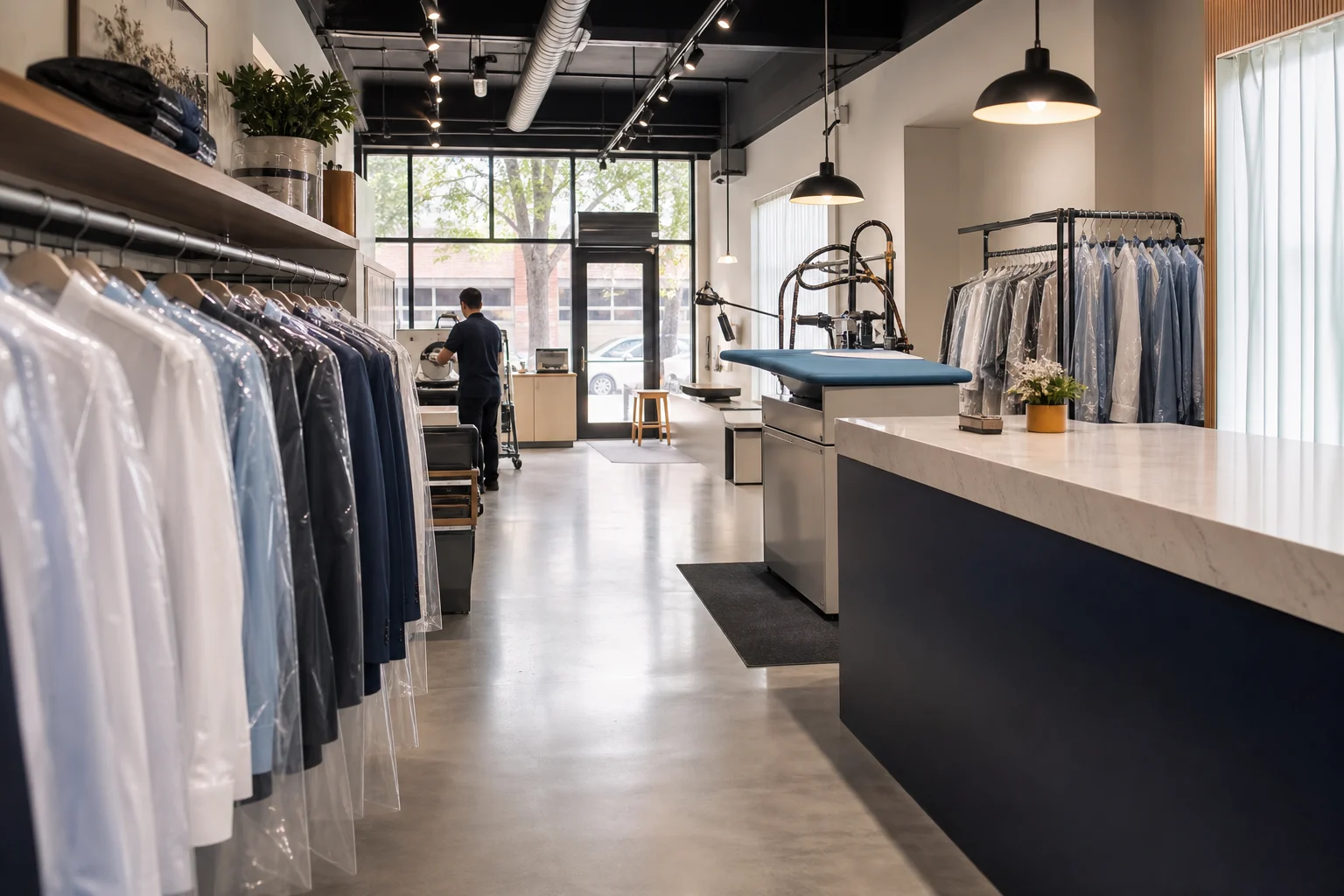
The permit stack to verify
Before opening your dry cleaner, you'll need to verify several categories of permits and requirements. Each category serves a different purpose in ensuring your business operates legally and safely in Boston. The permit stack includes city registrations, state licenses, landlord requirements, health/fire/building inspections, signage approvals, tax registrations, and insurance requirements.
City, state, landlord, health, fire, signage, and tax registrations
City-level registrations typically include your business operating license and any local dry cleaner-specific permits. Boston may have additional requirements for commercial businesses operating within city limits. State requirements often encompass sales tax permits, professional licenses if applicable, and environmental compliance regulations specific to dry cleaning operations.
Landlord requirements can vary significantly based on your lease agreement. Many commercial leases include clauses about business operations, maintenance responsibilities, and subletting permissions. Before signing, ensure your planned dry cleaning operation aligns with your landlord's expectations and building regulations.
Health permits are critical for any business handling chemicals and fabrics. Boston's health department will likely require inspections to ensure proper handling of cleaning solvents, ventilation systems, and waste disposal procedures. Fire department approvals focus on fire safety measures, including proper storage of flammable materials and emergency exit accessibility.
Signage permits regulate the size, placement, and illumination of your business signage. Boston has specific guidelines for commercial signs to maintain neighborhood aesthetics and safety. Tax registrations include your federal EIN, state tax ID, and any local business tax requirements specific to Boston.
Documents to collect before lease signing
Before committing to a commercial space, collect all necessary documentation to verify compliance requirements. For Quincy Center / North Quincy (7.9/10), rent is manageable at roughly $30-50/sqft NNN, there's zero direct dry-cleaner competition within the search radius, and the area has strong daytime office-worker density plus dense residential.
Verify zoning regulations for your specific location. Some areas in Boston may have restrictions on dry cleaning operations due to chemical usage or environmental concerns. Check with Boston's zoning department to confirm your intended location is properly zoned for a dry cleaning business.
Gather information about building codes and accessibility requirements. Your space must comply with the Americans with Disabilities Act (ADA) and Boston's building codes. This includes proper restroom facilities, customer access points, and equipment installation specifications.
Research environmental regulations specific to dry cleaning operations. Boston may have additional requirements for solvent storage, waste disposal, and air quality standards. Understanding these requirements early can prevent costly modifications later.
For Assembly Row (Somerville) (7.1/10), the area scores high on demand (8.2) and competition fit (10 — zero dry-cleaners found), but the rent is punishing at roughly $65-95/sqft NNN. This is a premium mixed-use node with the Assembly Row mall, Orange Line station, and maxed-out daytime population.
East Boston (7.0/10) has strong demand (7.5) and zero dry-cleaner competition, but rent is steep at roughly $65-95/sqft NNN — similar to Assembly Row. The area is a dense residential corridor with Blue Line transit access (Maverick, Wood Island, Orient Heights stations), strong daytime population, and a growing waterfront gentrification wave.
What varies by dry cleaner format
Different dry cleaning business models may have varying permit requirements. A traditional drop-off and pickup location will have different needs than a dry cleaning service with on-site production facilities. Consider your specific business model when researching permit requirements.
If you plan to offer additional services like alterations or laundry, you may need additional permits or certifications. Boston may have specific requirements for businesses handling different types of fabrics or offering specialized cleaning services.
Mobile dry cleaning services have different regulatory considerations than brick-and-mortar locations. If you're planning a mobile operation, research Boston's requirements for mobile businesses, including vehicle registration, commercial driver's licenses, and zoning for parking or service locations.
Environmental regulations may vary based on the cleaning solvents and processes you use. "Green" dry cleaning methods may have different requirements than traditional solvent-based cleaning. Research Boston's environmental standards for different dry cleaning technologies.
FAQ
What permits do I need for A Dry Cleaner in Boston?
You'll need several categories of permits to operate a dry cleaner in Boston. These typically include city business operating licenses, state sales tax permits, health department approvals for chemical handling, fire department safety inspections, signage permits, and tax registrations. The specific requirements may vary based on your location, business size, and services offered.
How long does it take to obtain dry cleaning permits in Boston?
Permit processing times can vary significantly depending on the type of permit and current workloads at Boston's regulatory agencies. Some basic registrations may be processed quickly, while health and environmental permits may require additional inspections and review time.
Can I operate a dry cleaner from home in Boston?
Boston's zoning regulations typically prohibit commercial dry cleaning operations in residential areas due to chemical handling, environmental concerns, and traffic considerations. You'll likely need a properly zoned commercial location for your dry cleaning business.
What are the environmental requirements for dry cleaners in Boston?
Boston has specific environmental regulations for dry cleaning operations, including proper solvent storage, waste disposal procedures, and air quality standards. These requirements are designed to protect public health and the environment from potential chemical exposure.
Do I need special insurance for my dry cleaning business?
Yes, most dry cleaning businesses need specialized insurance coverage beyond standard business insurance. This typically includes environmental liability insurance for chemical spills, property insurance for equipment and inventory, and liability protection for customer claims.
How do I verify zoning requirements for my dry cleaning location?
Before signing a lease, contact Boston's zoning department or use the city's online zoning map to verify that your intended location is properly zoned for a dry cleaning business. You may also need to schedule a site visit with zoning officials to confirm compliance.
What should I look for in a commercial space for my dry cleaning business?
When evaluating potential locations, consider zoning compliance, building accessibility, ventilation requirements, utility capacity, and proximity to your target customers. The space should also meet Boston's health and safety standards for commercial dry cleaning operations.
Last reviewed: 2026-05-08
Sources: U.S. Census Bureau ACS, LEHD LODES, Google Places, OpenStreetMap, Locavisor neighborhood scoring.
Methodology: Locavisor scores neighborhoods across demand, competition fit, rent fit, accessibility, and customer match. Scores reflect a snapshot of recent data and should be combined with on-the-ground research before lease decisions.
Disclaimer: This article provides informational content only and does not constitute legal, financial, accounting, or real-estate advice. Verify lease terms, licensing, local regulations, costs, and professional requirements with qualified local professionals before making business decisions.
Free preview shows top 3 neighborhoods. Full $9.99 report covers all 10 areas with personalized scoring + 90-day check-ins.
Informational only. Verify lease, licensing, local regulations, costs, and professional requirements with qualified local professionals.